The Broken Bond: Why Manchester United’s Current Players Have No Right to Feel Aggrieved by Legends’ Criticism
United’s players whine about legends’ barbs, but the mirror shows failure: no titles, no spine, just excuses. Legends built empires; this lot builds resentment.
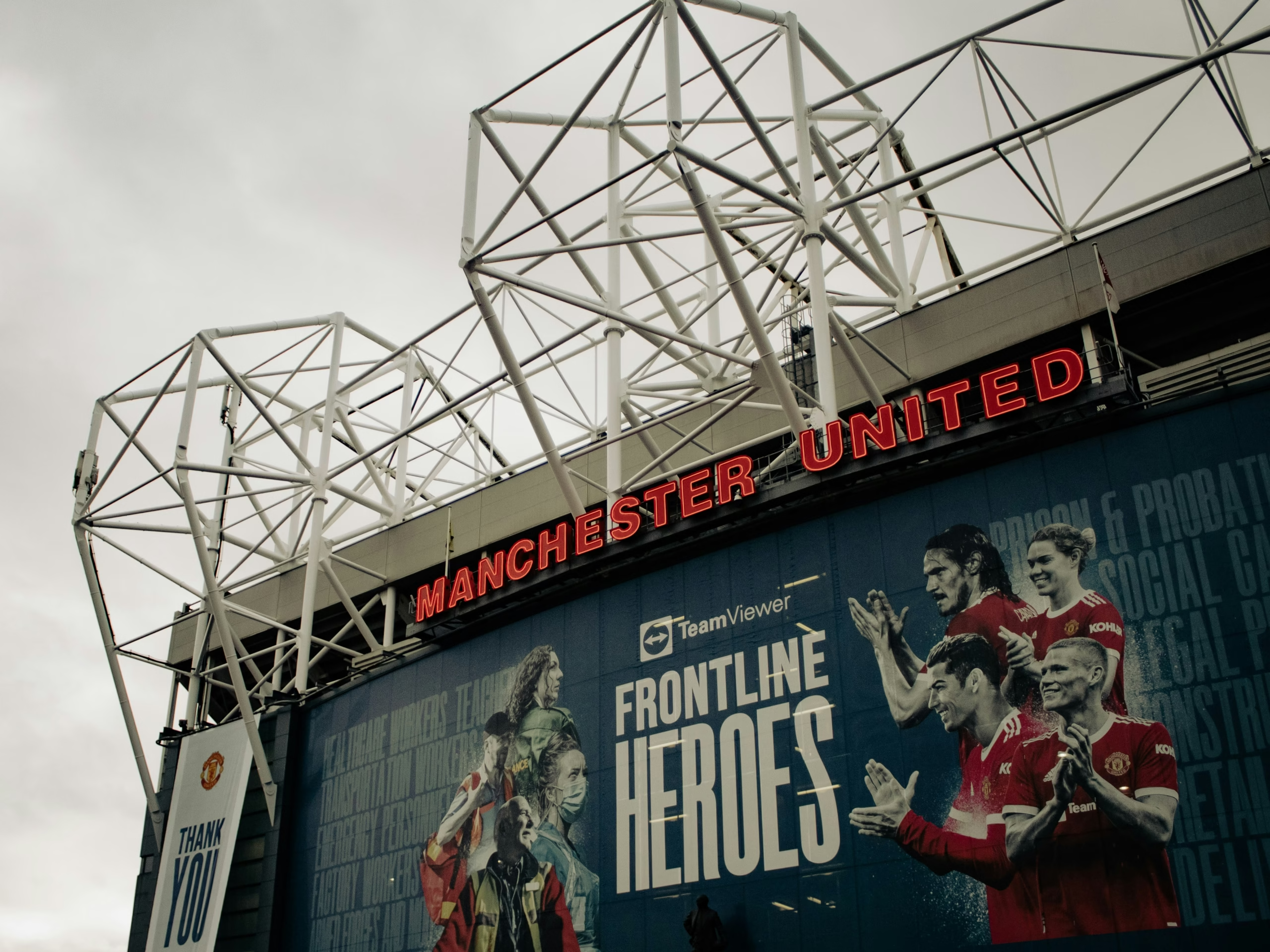
Manchester United rift. In early December 2025, reports emerged from credible sources like the Daily Mail and Mirror that a deep rift exists between Manchester United’s current squad and the club’s iconic legends, particularly the Class of ’92 – Gary Neville, Paul Scholes, Ryan Giggs, Nicky Butt, Phil Neville, and David Beckham – along with figures like Roy Keane. Players are reportedly “p****d off” by the relentless scrutiny from these ex-stars turned pundits. Some even whisper that the legends, especially the Class of ’92, secretly don’t want the club to succeed again, fearing it would diminish their own untouchable legacy. The tension has grown so toxic that current players are reluctant to give post-match interviews to these former heroes on television.
Let’s be be clear from the outset: this resentment is misplaced, entitled, and reveals far more about the shortcomings of the modern Manchester United squad than any supposed bitterness from the legends. The criticism isn’t personal vendetta or legacy protection – it’s a direct, honest response to a group of players who have consistently failed to match the standards set by those who came before them. The legends aren’t attacking the players out of jealousy; they’re holding up a mirror to a team that has crumbled under the weight of the red shirt. And the reflection isn’t pretty.
Manchester United is not just any club. It’s the most successful in English football history, with 20 league titles, 13 of them under Sir Alex Ferguson, whose era was built on the backbone of the Class of ’92 and supplemented by world-class talents. Those players didn’t just win trophies – they redefined what it means to represent Manchester United: relentless desire, unbreakable mentality, and an ability to deliver when the pressure was suffocating. The current crop? They’ve delivered mediocrity, excuses, and a level of performance that would have been unacceptable in the Ferguson years.
The Facts Don’t Lie: A Decade (and More) of Underachievement
Since Sir Alex Ferguson’s retirement in 2013, Manchester United have won exactly three major trophies: the FA Cup in 2016 (under Louis van Gaal), the Europa League and League Cup in 2017 (Jose Mourinho), and another FA Cup in 2024 (Erik Ten Hag). That’s it. No Premier League titles. No Champions League. Just sporadic domestic cups amid a sea of disappointment.
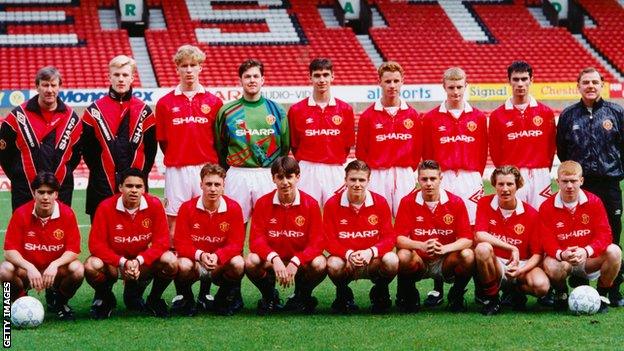
Contrast that with the Ferguson era, particularly the peak involving the Class of ’92:
- 13 Premier League titles (1993–2013)
- 5 FA Cups
- 4 League Cups
- 2 Champions Leagues (1999, 2008)
- 1 Club World Cup, 1 Intercontinental Cup, and multiple Community Shields
The Class of ’92 alone were central to six Premier League titles, two FA Cups, and the iconic 1999 Treble. They played in an era of fierce competition – against Arsenal’s Invincibles, Chelsea’s emerging oligarch-funded machine, and European giants like Real Madrid and Barcelona – yet they dominated domestically and conquered Europe twice.
Post-Ferguson? United have finished as low as 15th, 8th (multiple times), suffered their worst-ever Premier League points tally, and endured humiliating European exits. In the 2024/25 season alone, under Ruben Amorim, they’ve flirted with the bottom half, conceded far too many goals, and shown a fragility that legends like Keane have rightly called out as lacking depth, quality, and trust. Roy Keane recently stated he “wouldn’t trust these players to get United back competing for big prizes.” Gary Neville has described the squad as lacking a strong spine, athleticism, or any standout quality. Paul Scholes has been unsparing, once leaving Lisandro Martinez so incensed that a clear-the-air meeting was planned (though it never happened).
These aren’t arbitrary attacks. They’re observations from men who lived the United way: who fought through injuries, criticism, and setbacks to deliver silverware year after year.
Why Manchester United Players’ Complaints Ring Hollow
The current players reportedly feel the legends should “understand the pressure” of playing for Manchester United and show more sympathy. This is perhaps the most galling part. The Class of ’92 invented handling pressure at United. As young kids in 1995/96, they were written off by Alan Hansen’s infamous “you can’t win anything with kids” line after a heavy defeat to Aston Villa. Did they whine? No. They went on an unbeaten run, won the double, and silenced the doubters.
Neville, Scholes, Giggs, and Beckham faced brutal scrutiny from media and fans alike. Keane was the ultimate enforcer, demanding standards that bordered on intimidation. They knew the Old Trafford cauldron – the expectation to win every week, the weight of history. Yet they thrived. The current squad crumbles under far less: inconsistent performances, defensive frailty, and an inability to kill games off.
Some players allegedly believe the Class of ’92 don’t want Manchester United to succeed to “protect their legacy.” This paranoia is baseless and insulting. Neville and Scholes bleed red – they’ve poured their post-career lives into punditry because they care deeply. Their criticism stems from love, not sabotage. As sources close to the club have noted, executives don’t believe Neville, Scholes, or Butt wish failure on United (unlike perceptions of Keane’s more relentless style). If anything, the legends are desperate for success – but they refuse to sugarcoat failure.
Refusing interviews with legends? That’s petulance. These are club icons offering insights born from experience. Avoiding them won’t make the problems disappear; it’ll only highlight the fragility.
The Real Issue: The Current Squad Simply Isn’t Good Enough
Brutally honest: the players aren’t being criticised because legends are mean or jealous. They’re criticised because they’ve failed where the legends succeeded – spectacularly.
Look at the recruitment disasters: over £1.5 billion spent since 2013 on players like Antony (£86m for minimal impact), Jadon Sancho (loaned out after falling out), Harry Maguire (record fee for a defender, yet error-prone), Paul Pogba (world-record return, more headlines off-pitch), and Casemiro (past his prime). High wages, low returns. Many arrive as stars and regress – a damning indictment of mentality.
The squad lacks leaders. Bruno Fernandes is talented but inconsistent under pressure. Marcus Rashford, though loaned out, has flashes but lacks the killer instinct of a Rooney or Ronaldo. Youngsters like Kobbie Mainoo show promise, but the core is bloated with overpaid underperformers who don’t embody United’s fighting spirit.
Legends like Keane slam “bluffers” and a lack of depth because it’s true. Neville calls it a “desperate situation” because results prove it. Scholes’ grumpiness? It’s frustration at seeing the club he loves diminished.
Manchester United under Ferguson (and the Class of ’92) won because they had hunger, unity, and quality. They turned pressure into fuel. Today’s players turn it into excuses.
Time for Reflection, Not Resentment
The players need to stop feeling sorry for themselves and start delivering. The legends aren’t the enemy – complacency is. If the squad matched even half the achievements of the Class of ’92, the criticism would evaporate. Until then, Neville, Scholes, Keane, and others have every right – and perhaps a duty – to call it as they see it.
Manchester United demands excellence. The current players haven’t provided it. That’s why the relationship is broken. And the fix starts in the dressing room, not by silencing the voices of those who built the club’s golden era.
The legends succeeded where this generation has failed. That’s the uncomfortable truth. Embrace the criticism, rise to the standards, or accept that the red shirt is too heavy. Old Trafford deserves better.
About The Author