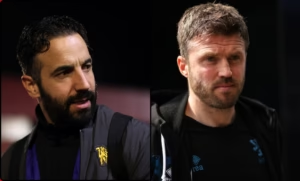
Amorim Blameless: United’s Real Rot Exposed.
Ruben Amorim isn’t failing Manchester United—United is failing him. Pundits like Scholes rage at tactics, but the Glazers’ debt, poor recruitment, and chaos doom every manager since Ferguson.
In the high-stakes world of English football, Manchester United remains a magnet for drama. As of December 2025, club legends like Paul Scholes are piling on the pressure against manager Ruben Amorim. Scholes has been blunt, claiming Amorim “doesn’t get this club full stop” and isn’t the right fit. He slammed Amorim’s substitutions and tactical choices, arguing they stray from United’s attacking heritage. Rio Ferdinand joins the chorus, warning that young talent Kobbie Mainoo is “wasting” his career under Amorim and should consider a move to Chelsea. Even Jamie Carragher calls Amorim’s rigid 3-4-3 “incomprehensible” and a “disaster” for the club.
These attacks come as United languish sixth in the table, far from Champions League contention. Amorim, who arrived in November 2024 after Erik Ten Hag’s sacking, started with promise but now faces a backlash amid poor results and cup exits. Yet, the harsh reality is clear: Amorim isn’t the issue. Managers have never been the core problem at United since Sir Alex Ferguson’s 2013 retirement. The club’s woes stem from deeper structural failures, ownership neglect, and a cycle of short-term fixes. Without tackling these, no coach will thrive at Old Trafford.
Honeymoon Over: Breaking Down the Amorim Backlash
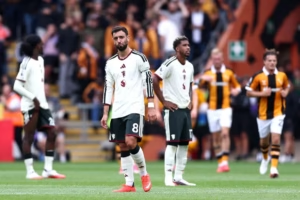
Ruben Amorim brought optimism to United after his Sporting CP success. His philosophy emphasizes pressing and a back-three setup. Early highlights included draws against top sides, but by late 2025, form has slumped with losses to weaker teams.
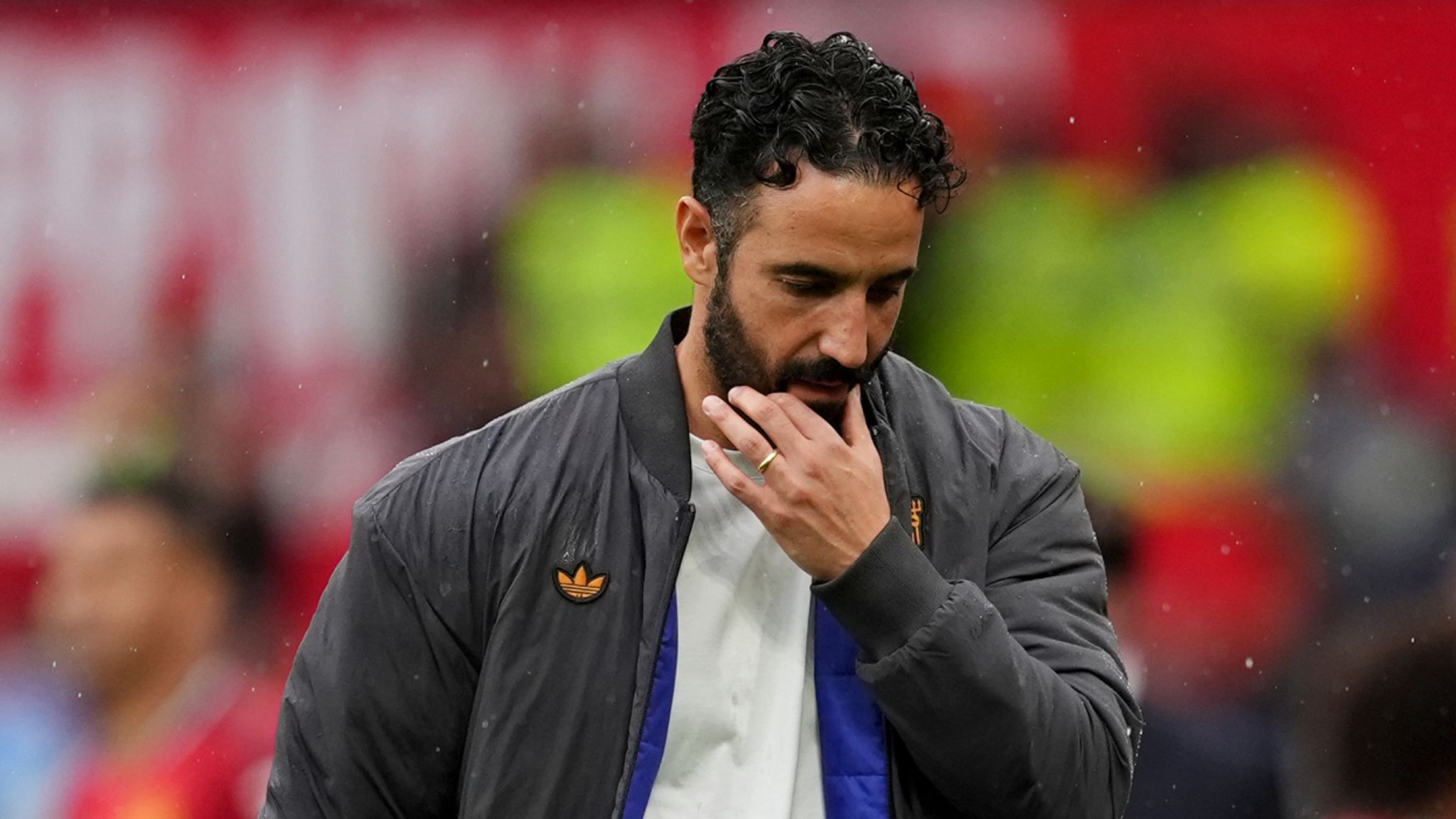
Pundits have sharpened their knives. Scholes, in a recent outburst, labeled Amorim’s subs as proof he’s out of depth: “I don’t think this manager gets this football club.” He demands more risk and excitement, not Amorim’s measured style. Ferdinand echoes this on Mainoo, saying the midfielder’s bench role is “ruining” him. Carragher blasts the formation as “negative” and inflexible, a Premier League rarity.
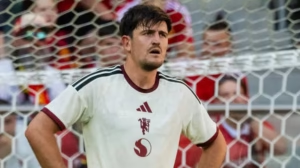
Stats back some critiques. Amorim’s record shows 23 wins across all competitions, with 14 in the Premier League as of December 2025. However, his win percentage is the lowest of any permanent post-Ferguson manager, around 34% in some analyses. Defensive issues persist, with players like Harry Maguire ill-suited to the system. Amorim’s defiant response: “We need time,” dismissing critics as “bulls***.” But these are symptoms of a mismatched squad and poor planning, not just managerial flaws.
Revolving Door: Post-Ferguson Managerial Mayhem
Since Ferguson’s exit, United’s managers have cycled through failure. They’ve won just a handful of trophies in over a decade, a stark contrast to the glory era.
David Moyes lasted months with a 52.9% win rate, undermined by an aging squad. Louis van Gaal’s 52.4% brought an FA Cup but bored fans with dull play. Jose Mourinho’s 58.3% was the best, delivering Europa League and League Cup, yet board clashes ended it.
Ole Gunnar Solskjaer hit 54.2%, stabilizing but trophyless. Ralf Rangnick’s interim exposed rot, calling for a rebuild. Erik Ten Hag’s 56.8% won cups but faltered in the league. Amorim now joins this list with the worst win rate.
The pattern? Hype fades into regression due to institutional barriers. Analyses show post-Ferguson win rates hover around 50-58%, far below Ferguson’s 65%. It’s not tactics—it’s systemic mismanagement.
True Villains: Glazers’ Grip and Decay
The Glazers’ 2005 leveraged buyout saddled United with debt, now exceeding £749 million net, over $1 billion. Over £1.2 billion has gone to interest and dividends, starving football operations.
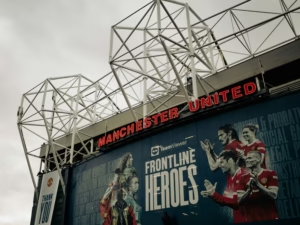
Commercial revenue booms, but on-pitch investment lags rivals. Old Trafford crumbles, symbolizing neglect. Recruitment is a mess: £1.5 billion spent, yet flops like Paul Pogba, Antony, and Jadon Sancho dominate. No proper football director until recently, leading to agent-driven deals.
Sir Jim Ratcliffe’s stake promised change, but Glazers still control, with recent staff cuts prioritizing costs. Studies link leveraged ownership to poor performance. Rivals like City and Arsenal succeed with aligned structures—United’s is broken.
Toxic Setup: Why No Manager Succeeds
Even a genius like Guardiola would struggle here. Amorim’s system needs specific players, but the squad is a relic of past errors. Mourinho and Rangnick warned of this structural void.
High net spend, low efficiency—wasted on aging stars like Casemiro. The cycle: Hire, back briefly, sack. Critics like Scholes miss this bigger picture. United’s decline is a cautionary tale of boardroom failures.
Radical Fix Needed, Not Another Axe
United can revive, but it demands change. Full Glazer sale or Ratcliffe takeover to erase debt and rebuild. Invest in scouting, infrastructure, and patience.
Amorim needs support, but without fixes, he’s set to fail like others. Fans and pundits: Target the top. The rot is ownership-deep—until addressed, success eludes Old Trafford.
About The Author