The Emergency Imperative: Why Manchester United Must Treat the January 2026 Transfer Window as a Crisis Intervention
January 2026 is no routine market—it’s an emergency lifeline to rescue Amorim’s project.
Manchester United’s 2025-26 season under Ruben Amorim has been a tale of tantalizing potential undermined by structural fragility. As of December 16, 2025, the club sits in sixth in the table obscurity in the Premier League, having squandered leads in five matches where they went ahead but failed to secure victory. The recent 4-4 thriller against Bournemouth epitomizes this: a dominant attacking display yielding 30 goals league-wide this season (matching Arsenal and trailing only Manchester City) was nullified by conceding four times, including late equalizers that exposed chronic vulnerabilities. This is not mere bad luck but a systemic crisis demanding emergency action in the January 2026 transfer window. Treating it as routine—deferring to summer overhauls—risks derailing Amorim’s tactical project, perpetuating inconsistency, and eroding the club’s authority on the pitch. With INEOS’s ownership at a crossroads, inaction could incur short-term relegation battles and long-term stagnation, squandering the post-Ten Hag rebuild.
Amorim’s vision, rooted in his Sporting CP success, revolves around a 3-4-2-1 or 3-4-3 formation that emphasizes possession dominance, fluid build-up, and high pressing. It demands midfielders who screen transitions, wing-backs who provide width and overloads, and a compact defensive block to sustain control. Yet, the inherited squad, optimized for Erik Ten Hag’s transitional style, lacks these profiles, leading to recurring collapses where leads evaporate amid defensive lapses and lost duels. United’s third-highest expected goals conceded (xG of 10.1) underscores this mismatch, turning promising performances into chaotic draws or defeats. The January window, historically underutilized by United (just £93 million spent on Bruno Fernandes and Patrick Dorgu in the last five winters), must break this pattern to salvage the season.
Midfield Control: The Crumbling Pivot of Amorim’s System
At the heart of United’s woes is a midfield bereft of control, where deficiencies in screening, progression, and compactness sabotage Amorim’s principles. In his preferred 3-4-2-1, the double pivot—often featuring Casemiro and Bruno Fernandes dropping deep—should facilitate build-up by creating overloads and resisting presses. However, Casemiro, now a lone pivot in rest-defense, is overwhelmed, lacking the dribbling or athleticism for 1v1 escapes. This creates vast gaps between lines, as seen in the Bournemouth draw, where miscommunications allowed Marcus Tavernier to exploit space for a free-kick goal after Casemiro’s tactical foul.
These issues directly undermine Amorim’s tactical project, which thrives on midfield compactness to enable man-oriented pressing and quick recoveries. Without it, build-up becomes hasty under high presses (e.g., from Bournemouth or Newcastle), relying on long balls from Senne Lammens that bypass the midfield entirely. Stats Perform data reveals Amorim has stuck rigidly to 3-4-3 or 3-4-2-1 in all 39 matches, yet underlying metrics show concerns: United’s xG underperformance (1.83 expected vs. 1.67 actual goals per match) stems partly from midfield isolation, where players like Fernandes are tracked, stalling progression. Kobbie Mainoo offers lay-offs for dynamism, but his youth exposes him to man-marking.
This deficiency connects to game-state collapses and inconsistency. United have dominated possession in phases but crumbled in transitions, conceding from counters due to exposed pivots. In the Bournemouth game, a 1-0 lead dissolved into a 3-2 deficit within minutes, with midfielders failing to recognize “game time and opponent dynamics,” as Amorim lamented. Shaka Hislop called it a “recipe for disaster,” highlighting how poor screening allows opponents to exploit spaces, leading to five instances of dropped points from winning positions. This erodes authority: teams like Everton sense vulnerability, pressing higher and forcing errors, turning Old Trafford into a fortress of fragility rather than dominance.
Wing-Back Balance: Exposing Flanks and Limiting Width
Amorim’s system hinges on wing-backs for balance—providing defensive cover while stretching play for overloads in a 3-2-5 attacking shape. Yet, United’s options, including Diogo Dalot, Noussair Mazraoui, and Luke Shaw, lack the dual-threat profile needed. Dalot struggles with turning under pressure and 1v1 duels, while Amad Diallo’s central drifts expose flanks, as evidenced in Bournemouth’s switches that allowed Bournemouth to score unchallenged. Patrick Dorgu and Mazraoui stretch defenses but offer limited attacking incision, with the left side often “anonymous” in the final third.
This imbalance undermines the tactical project by disrupting fluidity. Amorim’s build-up relies on wing-backs for quick support and dribbles, but current players isolate the team, leading to turnovers Bournemouth’s Andoni Iraola noted United’s flexibility—”if you mark them with a full-back, they go lower; with a winger, higher”—but this adaptability falters without personnel who can execute 1v1s or maintain positional discipline. The result? Over-reliance on central channels, congesting midfield and reducing variety.
Linking to collapses, imbalanced wing-backs invite counters: exposed flanks allow diagonal switches, as in Evanilson’s goals against Bournemouth, where poor tracking from Mason Mount and Shaw enabled breakthroughs. Inconsistency follows, with home dominance yielding draws (e.g., 4-4) while away form suffers from narrow structures, ceding authority to opponents who exploit transitions. Gary Neville praised Amorim’s attacking tweaks but flagged defensive frailty as the undoing.
Defensive Structure: Gaps That Invite Chaos
United’s defense, despite talents like Lisandro Martinez and Leny Yoro, lacks compactness, with large gaps in rest-defense and vulnerability to set-pieces and counters. In Amorim’s 3-4-2-1, centre-backs should anchor pressing, but miscommunications—e.g., Yoro’s inexperience—leave spaces exploited, as in Bournemouth’s 50th-minute goal. Set-pieces remain a weakness, with disorganized recoveries allowing second-ball goals. Only one clean sheet this season—fewer than Burnley—highlights a squad lopsided toward attack.
This structure undermines Amorim’s project by preventing sustained control: man-oriented pressing creates vulnerabilities when midfield drops, exposing centre-backs like Harry Maguire in “six-space.” Frequent personnel changes amid injuries exacerbate instability, turning promising patterns into “hectic rhythm.”
Collapses stem directly: leads like 1-0 against Bournemouth vanish via flat-footed defending, with Eli Junior Kroupi’s 84th-minute strike epitomizing lost authority. Inconsistency pervades, with high shot volume offset by conceded chances, hindering top-four aspirations and fostering a cycle of dropped points.
Realistic January Solutions: Targeted Reinforcements
January must prioritize midfield and wing-backs, with defense bolstered indirectly. For midfield, Conor Gallagher (€42m from Atletico Madrid) offers dynamism and Premier League nous, addressing screening with his ground-covering and goal threat—ideal for Amorim’s pivot alongside Ugarte. His limited starts (four in LaLiga) make a loan feasible, boosting England’s 2026 World Cup hopes under Thomas Tuchel. Tyler Adams (£40m from Bournemouth) provides athletic holding, technical poise for build-up, as a “plug-and-play” option per Fabrizio Romano. Other targets like Carlos Baleba or Elliot Anderson suit, but Adams/Gallagher are realistic mid-window deals.
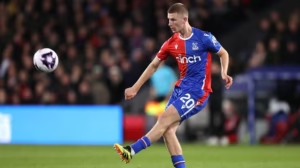
Wing-backs demand urgency: Federico Dimarco (Inter) excels left-sided, Theo Hernandez (Al Hilal) brings power, Alejandro Grimaldo (Leverkusen) offers contributions, and Denzel Dumfries (Inter) marauds forward—all fitting Amorim’s need for 1v1 specialists and right-footed left-siders. Daniel Muñoz (Crystal Palace) adds Premier League experience. Fees unspecified, but United’s £100m+ summer spend suggests room under FFP.
Ownership Decision-Making: INEOS at the Helm
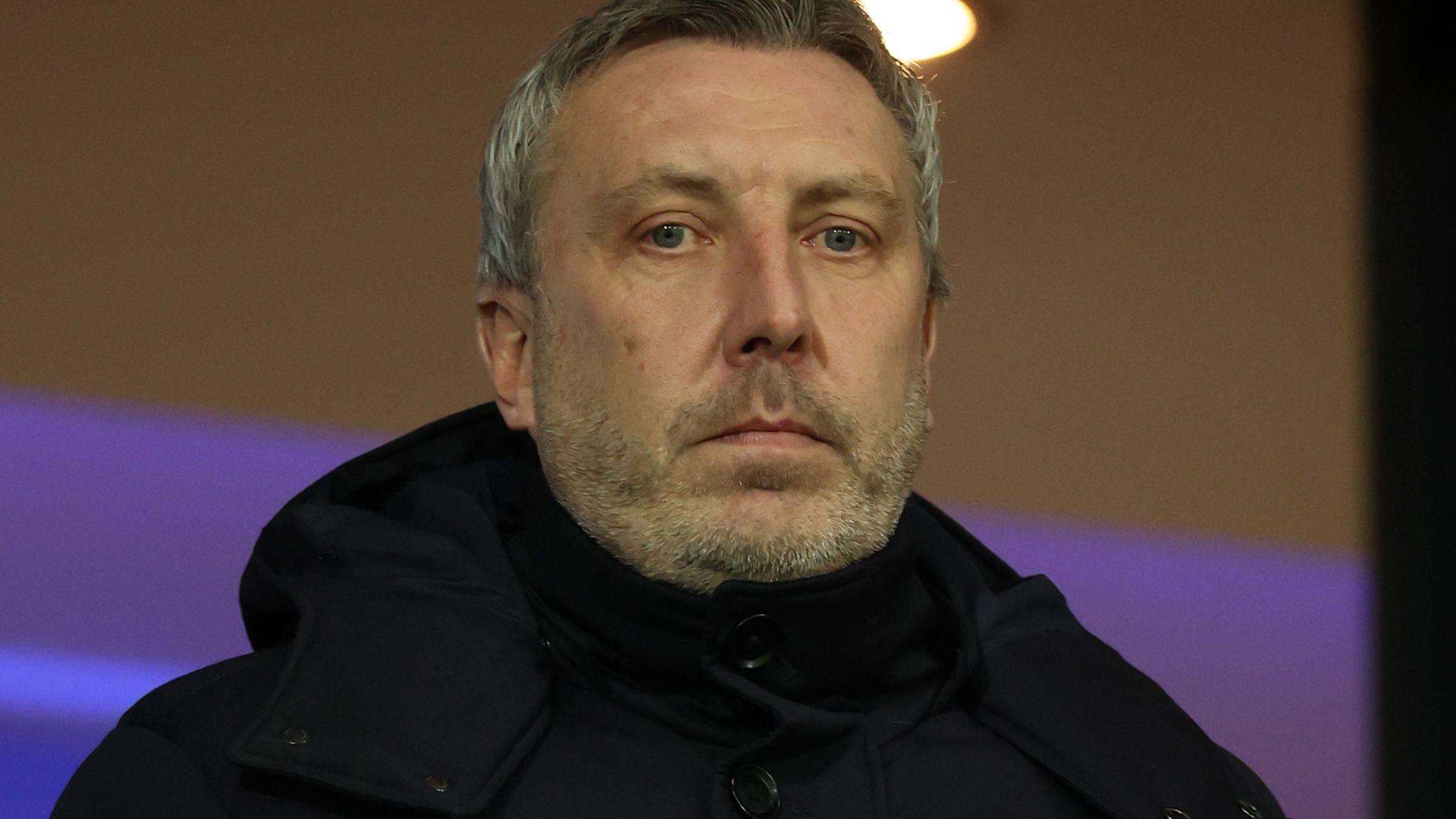
INEOS, led by Sir Jim Ratcliffe, retains faith in Amorim despite “many lows,” viewing him as the long-term architect. Yet, decision-making must shift from summer caution to January boldness—balancing FFP with targeted loans/permanents. Jason Wilcox’s recruitment team prioritizes data-driven fits, but delays risk alienating Amorim, who has publicly called for squad alignment.
Costs of Inaction: Short- and Long-Term Perils
Short-term, inaction could see United miss Europe, with mid-table finishes eroding revenue and morale—exacerbated by dense fixtures. Long-term, it stalls the rebuild: player exodus (e.g., Fernandes frustrated), Amorim’s potential departure, and entrenched mediocrity, costing hundreds of millions in lost opportunities. As Amorim noted post-Bournemouth, “lacking quality when we defend our goal” demands fixes now.
January 2026 is no routine market—it’s an emergency lifeline. By addressing midfield, wing-backs, and defense with evidence-backed targets, United can rescue Amorim’s project, restore consistency, and reclaim authority. Inaction invites collapse; decisive intervention will promise revival.
About The Author