A Night That Told the Truth: Manchester United’s Villa Park Defeat and the Slow Unravelling of a Giant
Manchester United’s defeat at Villa Park was not about bad luck or isolated errors. It was a revealing night that exposed deeper tactical flaws, structural issues and a club still searching for identity.
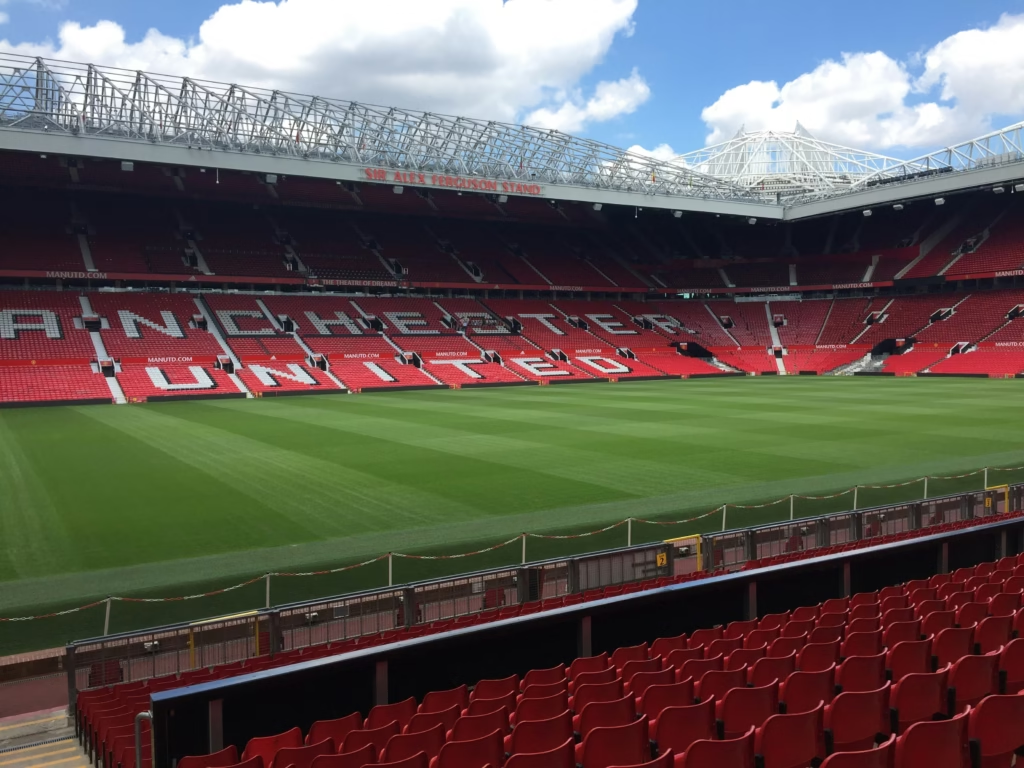
There are defeats that sting, defeats that frustrate, and defeats that linger long after the final whistle. Manchester United’s loss at Villa Park belonged firmly in the last category. Not because of the scoreline alone, but because of what it revealed — calmly, brutally, and without mercy — about the current state of the club.
This was not chaos. It was clarity.
Aston Villa did not overwhelm Manchester United with sheer brilliance. They did not need a refereeing controversy or a moment of fortune. They simply played with conviction, cohesion, and purpose — three qualities United continue to chase but rarely sustain.
As the lights dimmed over Villa Park, what remained was an uncomfortable truth: Manchester United are no longer losing because they are unlucky or transitional. They are losing because, more often than not, they are less complete than their opponents.
The Match as a Microcosm
On paper, a 2–1 defeat away to Aston Villa does not scream crisis. Villa are well-coached, confident at home, and among the Premier League’s most organised sides. But football is rarely about isolated results — it is about patterns. And this game fit a pattern United fans have seen far too often.
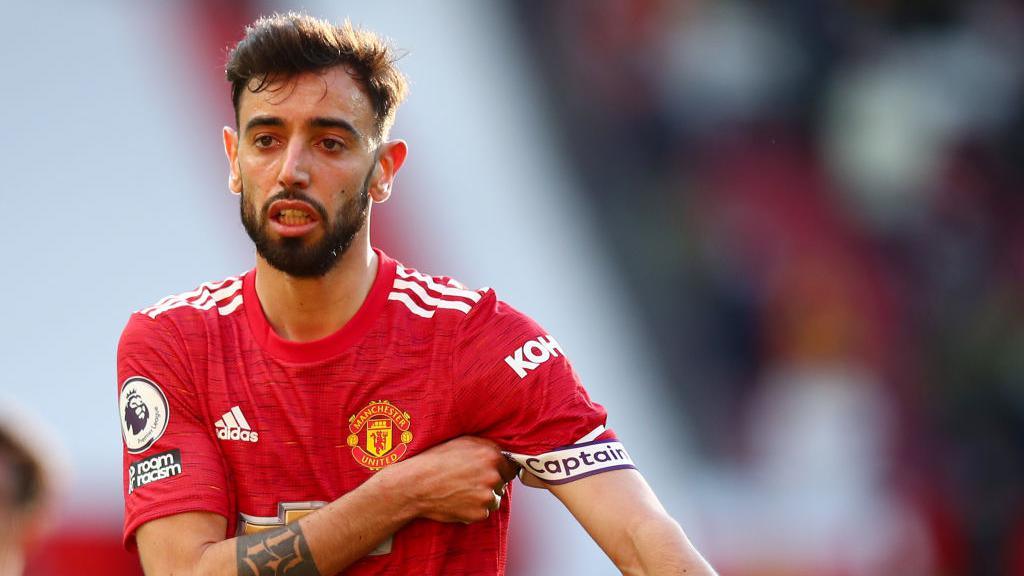
Manchester United started with intent. There was energy in the press, urgency in possession, and brief moments where attacking combinations hinted at something cohesive. Yet beneath that surface lay familiar fragilities.
Villa absorbed pressure with calm assurance. They allowed United the ball in safe zones, confident that when the moment came to accelerate, United’s structure would bend. And it did.
The goals United conceded were not freak moments. They were the product of spacing errors, delayed reactions, and defensive uncertainty — the kind that emerge when a team does not fully trust its system or its personnel.
United’s response, while spirited, lacked authority. Even after finding a way back into the game, there was no sense of inevitability about another goal. Villa always appeared the more likely to strike decisively again.
This is perhaps the most damning aspect of modern Manchester United: they can compete without ever convincing.
Possession Without Power
One of the recurring illusions in United’s performances is control through possession. The ball circulates, passes are completed, territory is gained — yet very little truly threatens the opposition.
At Villa Park, United once again saw plenty of the ball but struggled to turn that into sustained pressure. Attacks often broke down in predictable ways: a rushed cross, a delayed pass, or an isolated forward crowded out by defenders.
This is not solely a question of technical quality. It is a structural issue.
United’s spacing in the final third remains inconsistent. Players frequently receive the ball without clear support angles, forcing individual decisions rather than collective movements. When this happens repeatedly, confidence erodes and execution suffers.
Villa, by contrast, attacked with clarity. Their players knew where teammates would be. Their runs had purpose. Their pressing triggers were synchronised. It was the difference between a team built over time and a team still assembling itself under pressure.
Individuals Under the Microscope — and the Weight They Carry
Every Manchester United defeat brings renewed scrutiny of individual players. Some of it is deserved. Some of it is misdirected.
Young players are asked to shoulder responsibility beyond their developmental stage. Senior players are expected to lead despite operating within an unstable framework. Creative players are burdened with producing moments of magic because the system rarely creates them organically.
This imbalance places enormous psychological strain on the squad.
When mistakes occur, they feel magnified. When momentum shifts, there is visible anxiety rather than composure. United’s body language after conceding often tells its own story — shoulders drop, passing becomes hurried, and decision-making tightens.
This is not the mentality of a weak squad. It is the mentality of a squad unsure of its foundation.
The Tactical Grey Zone
Manchester United currently exist in a tactical grey zone — not committed enough to one philosophy, yet unable to abandon others. There are glimpses of pressing football, moments of positional play, and flashes of counter-attacking threat, but rarely all in harmony.
Against Villa, this ambiguity was exposed.
When United pressed, it lacked collective timing. When they sat deeper, distances between lines grew too large. When they attacked, support arrived late. Each phase of play appeared disconnected from the next.
This is often the byproduct of a squad assembled across multiple managerial eras, each with different ideas and priorities. What remains is not evolution, but compromise.
Until United fully align recruitment, coaching, and tactical identity, matches like this will continue to slip away — not through collapse, but through erosion.
Villa’s Lesson: Stability Still Matters
Aston Villa’s rise is not built on reckless spending or constant reinvention. It is built on clarity.
Unai Emery’s side understand their roles. They trust their structure. They know when to slow the game and when to accelerate it. This confidence is not accidental — it is earned through repetition and belief.
United, watching from the opposite dugout, offered a stark contrast. Their moments of quality felt improvised rather than rehearsed. Their defensive organisation depended more on individual recovery than collective anticipation.
Villa did not outplay United with flair. They outplayed them with understanding.
The Long Shadow of Mismanagement
It would be dishonest to analyse Manchester United’s struggles without addressing the context that shaped them. Over a decade of inconsistent leadership, reactive recruitment, and short-term thinking has left deep scars.
Managers have come with different visions, only to inherit squads ill-suited to their methods. Players have arrived with reputations but without coherence. Contracts have been handed out without clear performance trajectories.
The result is a club perpetually rebuilding, yet never fully resetting.
Recent structural changes offer hope, but hope alone does not correct years of drift. Until the footballing operation is allowed time, patience, and discipline, the effects of past decisions will continue to surface on the pitch.
The Emotional Toll on the Fanbase
Perhaps the most painful aspect of nights like Villa Park is not anger — it is recognition.
Supporters no longer react with shock to these defeats. Instead, there is a quiet resignation, an understanding that the outcome fits the narrative. That familiarity is dangerous. It breeds lowered expectations and emotional fatigue.
Manchester United were once defined by resilience and inevitability. Today, they are defined by uncertainty and “what ifs.”
Fans still believe — that has never left — but belief now coexists with realism. And realism acknowledges that this team, as currently constructed, is not ready to reclaim its former standards.
Where Does This Leave United?
The season remains salvageable in terms of competitiveness, but ambition must be tempered with honesty. United are capable of beating strong teams and frustrating elite ones, yet incapable of sustaining elite performance levels over time.
That places them in a difficult middle ground — not poor enough to collapse, not strong enough to dominate.
Breaking free from this cycle requires more than tactical tweaks or short-term fixes. It requires alignment — from boardroom to bench to pitch.
A Defeat That Clarified Everything
Villa Park did not deliver drama. It delivered truth.
Manchester United were not undone by injustice or misfortune. They were undone by a more complete footballing structure — one built with patience, clarity, and intent.
This defeat should not be remembered as a bad night. It should be remembered as a diagnostic moment — a reminder of how far United still have to go, and how much work remains beyond the surface.
The road back is not impossible. But it will not be quick, and it will not be painless. It is not also guaranteed.
For now, United must confront what they are — before they can become what they once were.
About The Author