Manchester United’s Rebuild Is Already Compromised — And Why Fans Have Every Right to Be Worried
Manchester United’s rebuild is showing cracks. From tactical confusion and midfield issues to financial limits, the Red Devils face a season of challenges that could define their future.
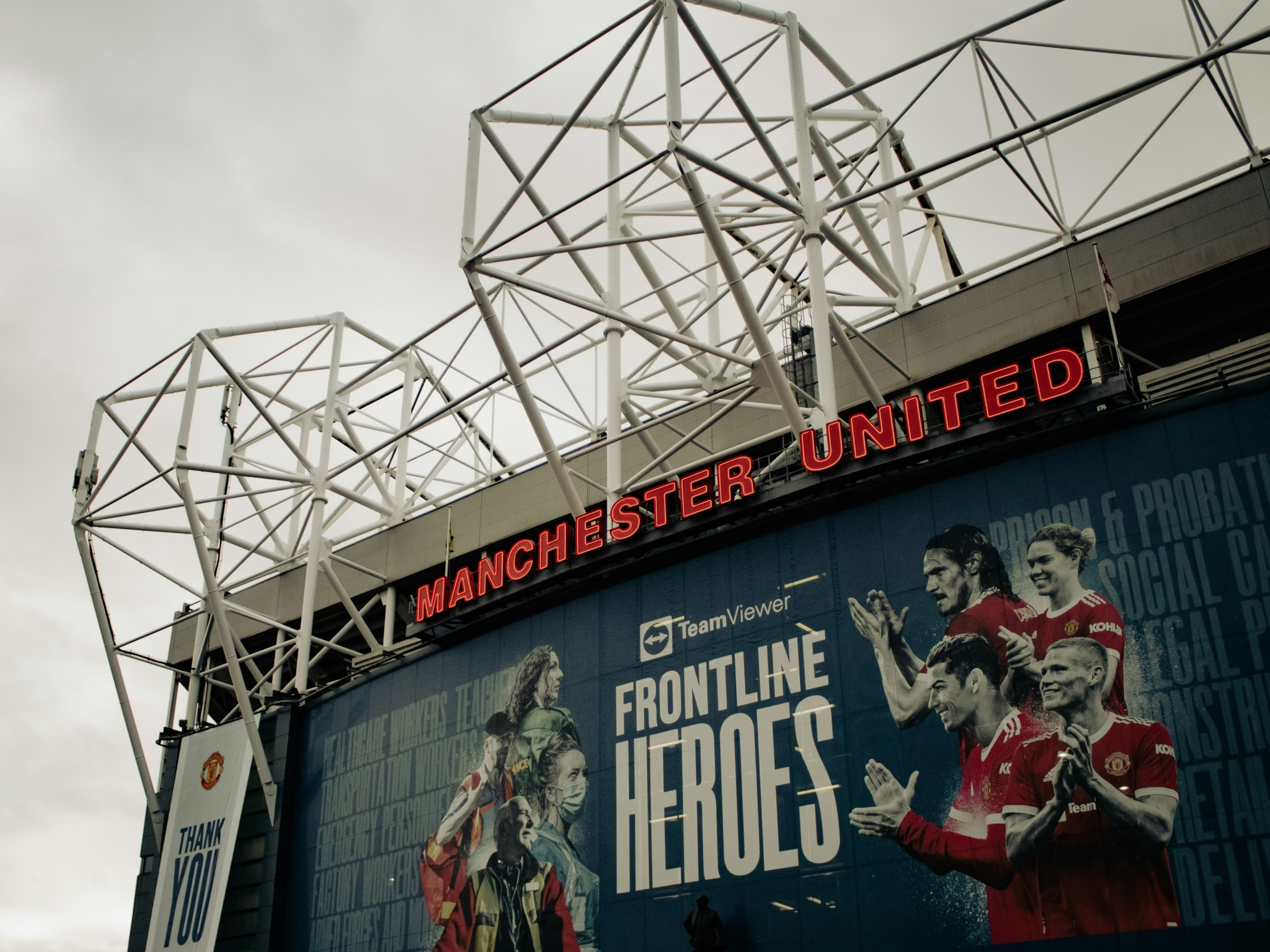
Manchester United are once again at a familiar crossroads. A new managerial vision, another wave of recruitment promises, and renewed rhetoric about long-term planning have all been presented to supporters as signs of progress. Yet, beneath the surface, there is a growing sense that this rebuild — like many before it — may already be compromised.
This is not a reactionary piece driven by one poor result or a short run of form. It is an examination of structural decisions, squad composition, financial reality, and footballing identity. When viewed holistically, the warning signs are difficult to ignore. Manchester United are attempting to rebuild, but the foundations remain unstable.
A Rebuild That Started Without Clearing the Rubble
Successful rebuilds in modern football begin with brutal honesty. Clubs must clearly define what they are, what they want to become, and which parts of the past must be discarded. Manchester United, however, appear to be rebuilding while still carrying the weight of previous failures.
Over the last decade, United have repeatedly changed direction without fully resetting. Each new manager inherited a squad assembled for someone else’s philosophy. The result has been a cycle of partial rebuilds rather than a single, coherent transformation.
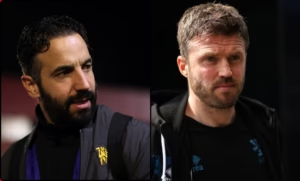
The appointment of Ruben Amorim was meant to signal clarity — a modern coach with a defined tactical identity. Yet even before his ideas could fully take root, questions emerged about alignment between the manager, recruitment team, and ownership structure. When a rebuild begins without total institutional alignment, compromise becomes inevitable.
Structural Uncertainty at the Top Still Lingers
The arrival of INEOS and Sir Jim Ratcliffe raised expectations of competence, football intelligence, and long-term thinking. There has been improvement in tone and governance, but structure alone does not guarantee success.
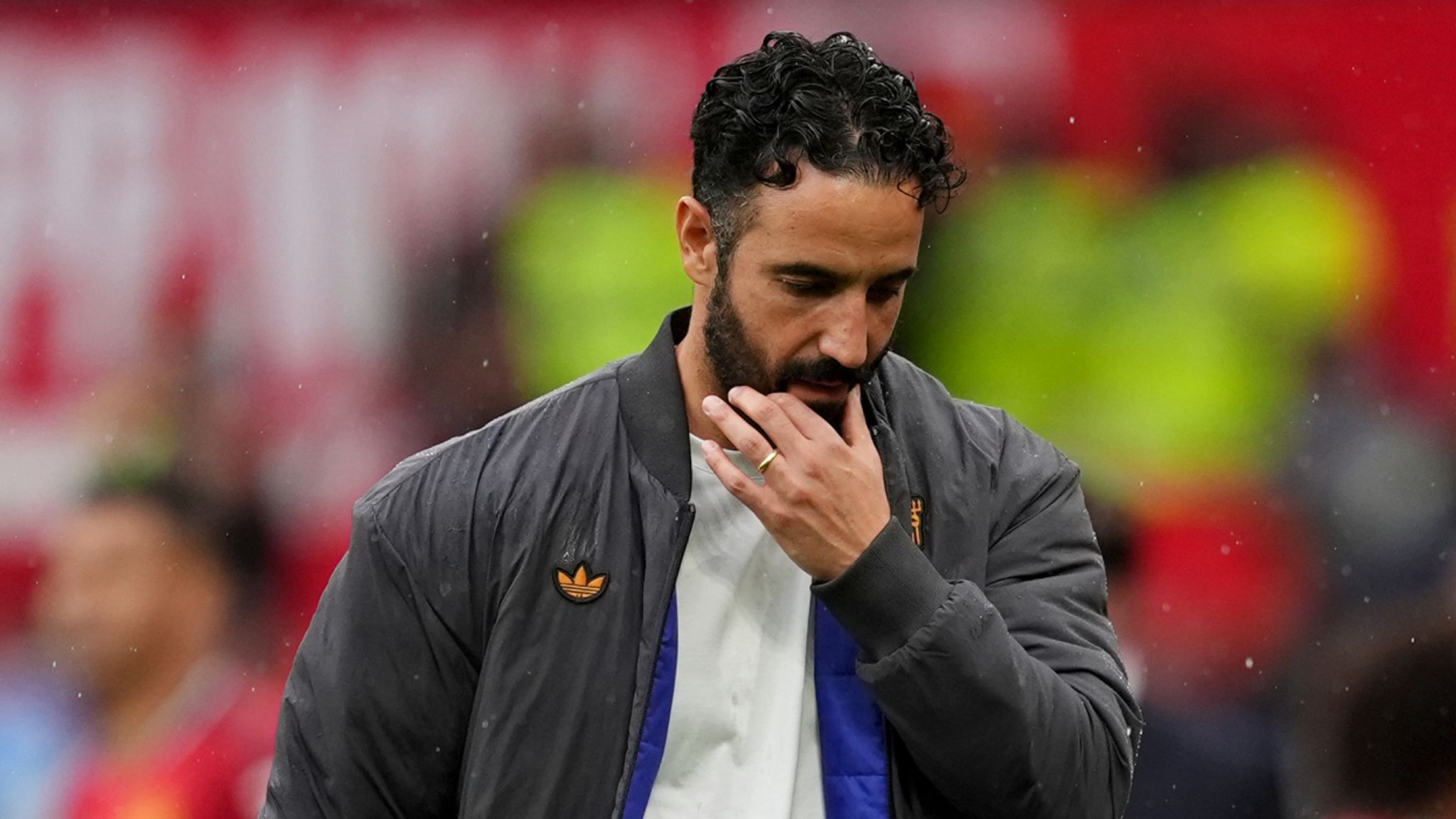
At present, Manchester United still appear to operate in a space where responsibility is shared but accountability is blurred. The manager has influence but not autonomy. Recruitment is data-driven but still reactive. Decision-making is cautious, sometimes excessively so.
Public comments suggesting that signings will only occur when “everyone agrees” may sound sensible, but elite clubs often succeed because they act decisively, not consensually. In football, hesitation is costly. A rebuild cannot afford paralysis, especially when obvious weaknesses persist.
The January Transfer Window: Symbol of a Deeper Problem
January transfer windows rarely fix everything, but they often reveal a club’s intent. For Manchester United, the messaging around January has been conservative to the point of concern.
Despite clear deficiencies — particularly in midfield control and defensive structure — there is little indication that United will act decisively. Instead, the focus appears to be on long-term targets rather than immediate solutions.
This approach creates a dangerous contradiction: United are trying to compete in the present while planning for a future squad that does not yet exist. The cost of this contradiction is usually paid in league position, momentum, and belief.
Financial Reality Is Quietly Shaping Sporting Decisions
One of the least discussed but most influential factors in United’s rebuild is financial constraint. Despite their global stature, Manchester United are no longer operating with limitless freedom in the transfer market.
Years of inefficient spending, poor resale value, and high wages have created Profit and Sustainability Rule pressures. These constraints limit flexibility, especially in windows where quality solutions demand premium fees.
As a result, United often find themselves shopping in uncomfortable spaces — unable to compete for elite talent, yet unwilling to fully embrace a developmental model. This middle ground is where rebuilds go to stall.
A Squad Built Without a Clear Footballing Identity
Perhaps the most damning indictment of United’s rebuild is that, several seasons in, it remains unclear what this team is meant to be.
Are they a possession-dominant side?
A transitional team built on speed?
A pressing machine?
A controlled, positional outfit?
The squad suggests multiple identities stitched together. Attackers suited to fast transitions coexist with midfielders who struggle under pressure. Defenders comfortable in deep blocks are asked to play high lines. The result is inconsistency, not evolution.
Without a clear identity, recruitment becomes scattergun, and tactical implementation becomes reactive rather than proactive.
The Midfield Problem That Refuses to Go Away
Every rebuild has a defining weakness. For Manchester United, it remains the midfield.
Control, tempo, resistance to pressure, and positional discipline have been absent for far too long. While individual talents exist, the collective profile does not function as a modern Premier League midfield.
When United struggle to dominate games — especially against inferior opposition — the root cause is almost always central. Without midfield control, matches become chaotic, transitions frequent, and defensive lines exposed.
No serious rebuild can succeed while this issue remains unresolved. Yet window after window, it is addressed partially, never conclusively.
Tactical Flexibility or Tactical Confusion?
Ruben Amorim is known for adaptability, but adaptability requires a squad capable of executing different ideas. At Manchester United, tactical changes often look less like evolution and more like survival.
Formations shift, roles change, and personnel rotate — but performances remain erratic. This raises a difficult question: is the manager adjusting to opponents, or compensating for structural flaws?
When players look uncertain of their roles, tactical flexibility becomes confusion. And confusion is the enemy of confidence, particularly in a squad already burdened by expectation.
Attack Without Control Is Not Progress
United’s attacking options are among the one of the most expensive in the league, yet chance creation and efficiency remain inconsistent. This is not solely an attacking problem; it is a systemic one.
Attacks require structure behind them. Without midfield balance, forwards are forced to operate in isolation, feeding on moments rather than patterns. When those moments dry up, United look blunt.
Goals may arrive in bursts, but sustained dominance remains elusive. A rebuild that prioritizes attacking talent without structural control is inherently fragile.
Youth Development Is Being Asked to Mask Structural Gaps
Manchester United rightly pride themselves on youth development. Emerging talents offer hope and continuity. But youth should complement a strong core — not compensate for its absence.
Young players are being introduced into an environment lacking stability, leadership, and clarity. This places unfair pressure on development and risks stalling progress.
History shows that youth thrives best when surrounded by experienced, authoritative figures. United’s current balance makes that difficult.
Leadership Vacuum and Mental Fragility
Rebuilds are not just tactical or financial; they are cultural. Manchester United’s squad still lacks consistent on-pitch leadership.
When momentum shifts during games, United often struggle to respond. Heads drop. Control disappears. This fragility is not coincidental — it reflects years of instability and changing expectations.
True rebuilds produce leaders organically through clarity, trust, and continuity. United are still searching for that spine.
Fan Patience Is Not Infinite — And Rightly So
Supporters are often accused of impatience, but in United’s case, frustration is rooted in repetition, not entitlement. Fans have heard the same promises across multiple managerial eras.
Rebuilds require time, but they also require visible direction. When progress is difficult to measure and mistakes feel familiar, belief erodes.
A compromised rebuild does not collapse immediately — it fades slowly, season by season, until mediocrity feels normal.
So Is the Rebuild Truly Compromised?
The honest answer is uncomfortable: yes, but not beyond repair.
The compromise lies in hesitation, structural overlap, financial caution, and unresolved squad imbalances. The foundations exist, but they are incomplete and uneven.
What happens next will define the next decade.
- If United address midfield control decisively
- If recruitment aligns fully with tactical identity
- If leadership and clarity are prioritized over short-term optics
Then this rebuild can still succeed.
If not, it risks becoming another chapter in a long story of missed opportunities.
Final Thought: Rebuilds Fail Quietly, Not Loudly
Manchester United’s greatest danger is not collapse — it is stagnation.
A compromised rebuild does not end with a single failure. It ends with seasons that feel “almost acceptable” but lead nowhere. The warning signs are present. Whether the club chooses to confront them will determine whether this rebuild becomes a foundation — or just another false dawn.
About The Author