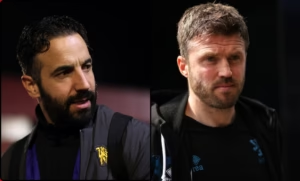
Ruben Amorim Declares Himself Manchester United Manager — And His Transfer Frustrations Are Already Clear
Ruben Amorim has made it clear: he’s not a head coach, he’s a manager. Coming hours after the Leeds 1–1 draw, his comments reveal early frustrations with transfers and the squad, signaling that Old Trafford’s structural challenges may already be testing him.
Just after Manchester United’s 1–1 draw with Leeds United, Ruben Amorim made a statement that sent ripples through Old Trafford: he is not just a “head coach” — he is a manager. The distinction is more than a title. It is a declaration of responsibility, authority, and, perhaps most importantly, subtle frustration with the club’s transfer strategy.
The timing couldn’t be clearer. The draw against Leeds was not a disaster, but it highlighted structural gaps and the ongoing challenge of turning United into a team that consistently reflects the vision of its manager. Amorim’s comments suggest he is already aware of the delicate balance he faces between tactical control on the pitch and strategic influence off it.
For Manchester United, a club known for its lofty expectations and impatient scrutiny, this moment is significant. Amorim’s words hint at a broader issue: the club may still be figuring out whether it wants a manager who can shape the team’s identity—or a coach expected to survive within a fragmented system.
“I Am a Manager”: Why This Statement Matters Now
In modern football, the difference between a head coach and a manager is crucial. A head coach focuses on training, tactics, and match preparation. A manager controls not just the team on the pitch, but also recruitment, squad planning, and the broader footballing vision of the club.
By asserting that he is a manager, he was making it clear that results should reflect the choices he is empowered to make. More subtly, he is signaling to United’s hierarchy and supporters that he expects clarity and alignment — because without it, even the most talented coach can be hampered.
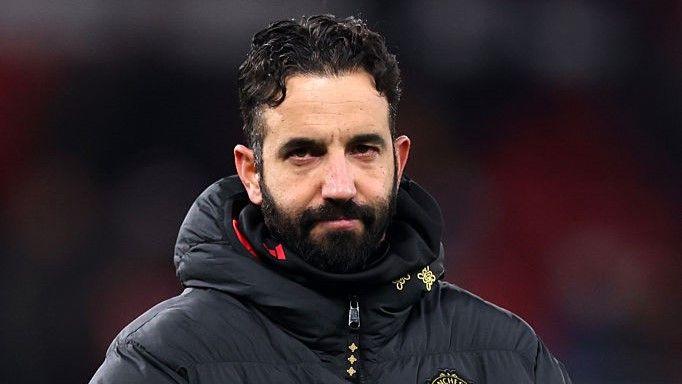
At Sporting CP, Ruben Amorim wasn’t just deploying tactics. He actively shaped the squad to fit his system, working within financial limits and developing players who could thrive in his style. At United, the squad is still a patchwork of players from multiple managerial eras and philosophies, making alignment more challenging.
The Leeds Draw: A Mirror of Frustration
The 1–1 result at Elland Road was revealing. United dominated possession and created chances but struggled to break through decisively. Defensive lapses and mis-timed transitions highlighted the limits of the squad.
Ruben Amorim Declaration of himself as Manchester United Manager — And his transfer frustrations after the match hinted at transfer frustrations, but he chose his words carefully. There were no direct criticisms of recruitment staff or the club’s leadership. Instead, his tone suggested a manager aware of what is missing: the right players to fully execute his ideas.
Manchester United’s current squad reflects a mix of tactical philosophies. Some players were signed for counter-attacking systems, others for possession-based play. Amorim’s system requires players who can press intelligently, understand spacing, and adapt fluidly. Without recruitment aligned to that philosophy, even the best tactics can only go so far.
Old Trafford’s History of Managerial Struggles
Anyone familiar with United knows this pattern. Van Gaal, Mourinho, Solskjær, and Ten Hag all arrived with clear visions, only to encounter structural limitations, inconsistent recruitment, or misaligned support. Each manager’s frustrations were often visible early, but solutions rarely came in time.
Ruben Amorim statement feels like a familiar warning. By making it public, he is showing awareness of this history and preemptively setting expectations. He knows that at United, the difference between success and frustration often comes down to whether a manager is truly empowered—or left to navigate structural contradictions alone.
Why Transfers Are About Fit, Not Fame
Amorim’s implied frustration with transfers is not about wanting star names. It’s about compatibility. His football demands players who can execute high-pressing triggers, positional rotations, and fluid transitions. Defenders must step into midfield, midfielders must handle pressure intelligently, and attackers must understand spacing as much as finishing.
Right now, parts of United’s squad are not fully suited to these demands—not due to lack of quality, but due to mismatched recruitment over multiple windows. A manager can only adapt so much before the system itself becomes constrained. In Ruben Amorim’s world, transfers are not optional — they are central to building a team capable of consistent success.
Leeds as a Microcosm of Challenges
The draw at Elland Road showcased both promise and limitation. United controlled stretches of play but failed to consistently convert opportunities. Defensively, transitions were uncertain, and cohesion occasionally broke down.
These moments are not simply tactical errors—they are symptoms of a squad misaligned with the manager’s vision. Amorim’s post-match candor signals that he sees these gaps and understands their implications. But recognition alone isn’t enough. The club’s response will determine whether this is a warning or the start of a solution.
Balancing Honesty and Leadership
What stands out about Ruben Amorim comments is his honesty. He didn’t hide behind clichés or deflect responsibility. Yet he also avoided confrontation or public criticism of the club. This is a delicate balancing act, particularly at a club like United, where every word is magnified.
By asserting himself as a manager, in his Declaration as a Manchester United Manager — And his transfer frustrations is quietly establishing boundaries and setting expectations. He is taking a subtle but meaningful leadership step, signaling that he expects to have influence beyond the training ground.
Backing the Manager Requires More Than Words
Manchester United has historically “supported” managers in words, but not always in actions. True backing means aligned recruitment, strategic patience, and trust in a manager’s vision.
If Ruben Amorim declaration as Manchester United Manager is empowered without meaningful structural support, frustration will inevitably follow. Fans have seen this story play out repeatedly: managers arrive with clear plans, but inconsistent signals from above prevent them from fully executing them. The result is stagnation, tension, and eventual disappointment.
The Fans’ Perspective: Hope and Caution
United fans know the story. They recognize when a manager is being set up to fail, even if short-term results look acceptable. Amorim’s honesty may resonate because it mirrors what fans have long suspected: that the club’s ambitions and actions aren’t always fully aligned.
Supporters are willing to be patient with transition—but they demand clarity, coherence, and intent.
The Big Question for Manchester United
Amorim’s declaration forces a critical question: does United want a manager who can shape the club’s identity, or a coach expected to survive within a fragmented system?
You cannot have both. If Amorim is given real authority and support, there is a genuine chance to build a team aligned with his philosophy. If not, the cycle repeats: promise unfulfilled, frustration mounting, and structural gaps remaining unaddressed.
A Moment That Could Define His Tenure
Ruben Amorim’s insistence that he is a manager, coming minutes after the Leeds game, is not just semantics. It is a statement of intent, awareness, and leadership. It signals that he understands the stakes at United—and that he is ready to challenge structural limitations quietly but firmly.
The club now faces a choice: back him fully, or risk another chapter in Old Trafford’s ongoing saga of managerial promise and structural frustration. For Amorim, for United, and for supporters who have seen it all before, this is a defining moment. And unlike many of the early warnings in United’s recent history, this one came minutes after the match, making it impossible to ignore.
About The Author