INEOS at Manchester United: A Pattern of Promises and Pitfalls in Modern Football Power
INEOS arrived promising a football revolution at Manchester United. Two years later, the club is drifting, divided, and deteriorating. Their record in Switzerland and France reveals a pattern fans were warned about — instability, broken promises, and corporate overreach. Old Trafford is no longer a rebuilding club. It is a warning.
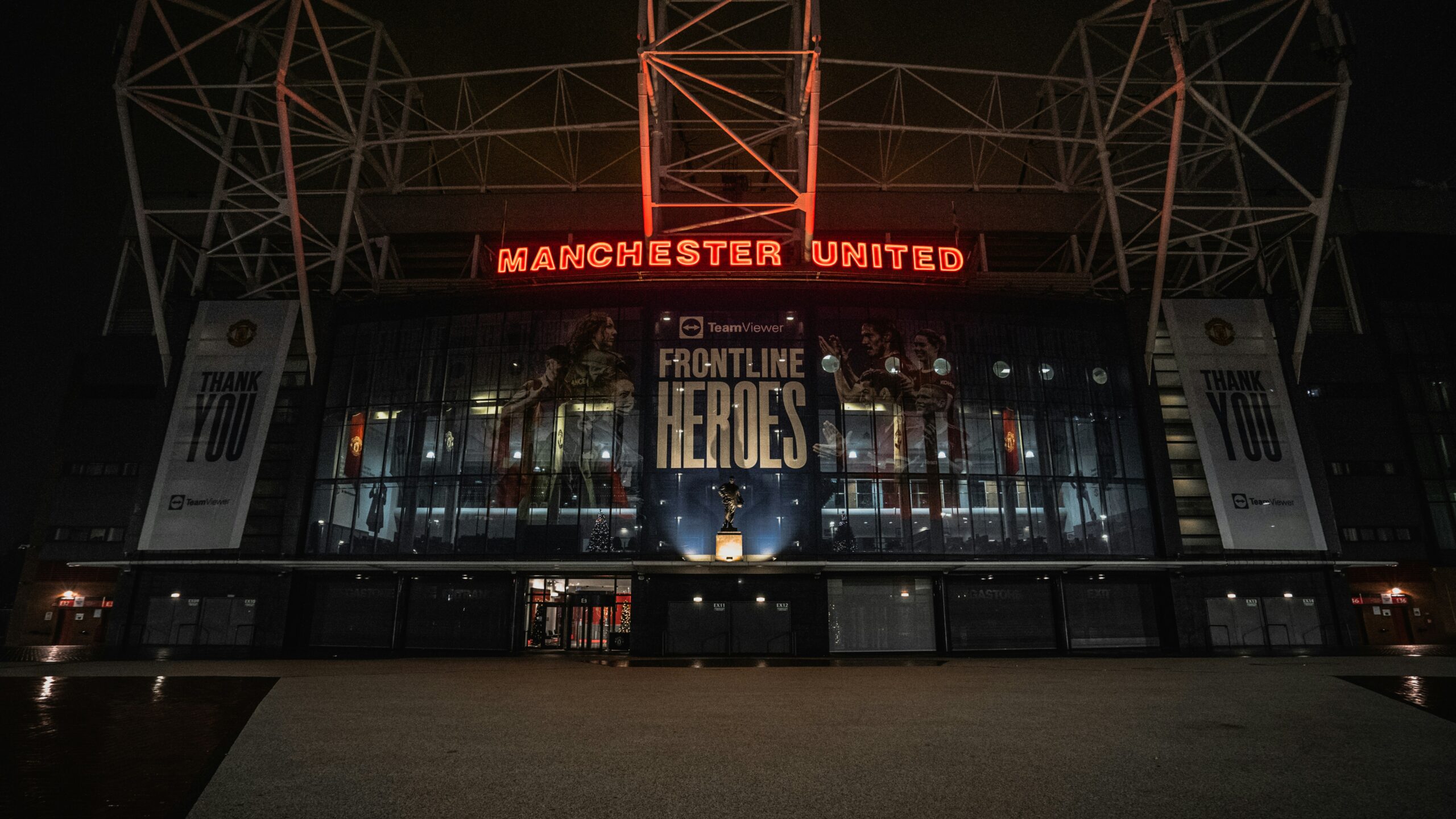
Manchester United, once the gold standard of sporting excellence under Sir Alex Ferguson, the club has spent the past two decades drifting between false dawns, shattered rebuilds, and corporate decay. The Glazer family’s leveraged takeover in 2005 marked the beginning of that erosion—financial extraction masked by commercial growth, sporting regression disguised by brand dominance.
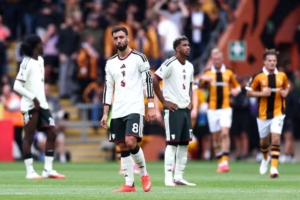
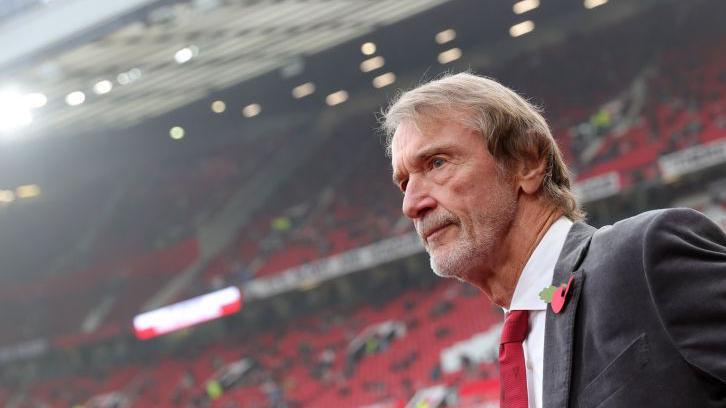
When Sir Jim Ratcliffe and INEOS acquired a minority stake in late 2023, many supporters dared to believe change had finally arrived. Here, at last, was a self-proclaimed lifelong fan, a British billionaire promising to reclaim football control from absentee owners and restore elite standards. Yet as United staggered to a humiliating 15th-place finish in the 2024/25 season—missing out on European football for the first time in over a decade—the optimism rapidly curdled into unease.
Because the story unfolding at Old Trafford is not new.
Across Switzerland and France, INEOS have already left a trail of turbulence, instability, and unmet ambition. FC Lausanne-Sport and OGC Nice were supposed to be proving grounds. Instead, they have become warnings. And Manchester United, despite its scale, now risks becoming the latest and most painful example of a pattern that refuses to break.
This is not an emotional rant. It is an examination of evidence. A forensic look at what happens when corporate logic collides with football reality—and why INEOS’s model continues to fracture under the sport’s unique pressures.
INEOS and the Seduction of Sporting Power
INEOS is, by industrial standards, a remarkable success story. Founded in 1998, it grew into a petrochemical empire generating over $65 billion annually. Sir Jim Ratcliffe built his fortune through hostile acquisitions, operational efficiency, and ruthless optimisation. By the late 2010s, he turned to sport—ostensibly out of passion, but also as a branding vehicle and prestige platform.
The portfolio grew quickly. Formula One. Elite cycling. Sailing. Rugby. Endurance athletics. Football.
On the surface, it projected ambition and modernity. Behind the scenes, it revealed something else: a corporate entity trying to bend deeply human, cultural institutions into industrial frameworks.
Football was the most dangerous arena to attempt this.
In 2017, INEOS bought FC Lausanne-Sport. In 2019, OGC Nice. In 2023, Manchester United.
Each acquisition came with bold language. Each promised long-term vision. Each insisted mistakes elsewhere had already been learned from.
The record tells a different story.
Lausanne-Sport: The Prototype of Instability
INEOS’s first football experiment should have been its safest. Lausanne-Sport was small, manageable, low-pressure. A laboratory.
Instead, it became a case study in what happens when ownership misunderstands football’s ecosystem.
The club was immediately rebranded. Even the badge was altered to include INEOS’s logo—a symbolic moment that crystallised fan resentment. Lausanne was no longer a community institution; it was a corporate asset.
On the pitch, chaos followed. Recruitment lacked coherence. Managers were hired and discarded with industrial efficiency. Players arrived without tactical compatibility. Sporting direction shifted season by season.
The results were brutal: relegation, promotion, relegation again. A yo-yo club without identity. By 2026, Lausanne remained trapped near the bottom of the Swiss Super League, still unstable, still cycling leadership, still alienated from its own supporters.
INEOS would later admit errors. Financial losses mounted. Confidence eroded. Yet instead of pausing, recalibrating, and learning, they accelerated.
They moved to France.
OGC Nice: Ambition Without Architecture
Nice was meant to be the flagship. A Ligue 1 club in a talent-rich region. A potential European regular. A stepping stone to elite ownership.
INEOS promised to challenge Paris Saint-Germain. They invested heavily. Over €400 million flowed through the project.
But ambition without structure is just noise.
Seven managers in six years. Contradictory recruitment profiles. Shifting football philosophies. An identity crisis that never ended.
Nice never finished higher than fifth. Never won a trophy. Never built continuity. Each minor success triggered another reset. Each reset deepened the confusion.
Players arrived without context. Coaches inherited squads built for different systems. The club became trapped between development project and elite challenger—achieving neither.
Supporter trust collapsed. Protests followed. Ratcliffe publicly admitted Nice were “not exciting to watch.” Rumours of a sale emerged even after further capital injections.
Perhaps most damaging was the multi-club experiment. UEFA regulations complicated player movement. Supporters resented the perception of Nice as a feeder institution. Sporting credibility eroded.
What remained was not a rising European power—but a permanently unfinished project.
And yet, this was the ownership Manchester United embraced.
The Glazers’ Wreckage: Fertile Ground for False Saviours
To understand why INEOS were welcomed so readily, one must understand the desperation they inherited.
The Glazers’ 2005 takeover burdened Manchester United with enormous debt. Over the next two decades, more than £1 billion left the club through dividends, interest payments, and leveraged obligations.
Sir Alex Ferguson’s brilliance concealed the damage. Once he left, the truth surfaced brutally.
Six managers. Over £1.5 billion in transfers. No coherent sporting department. No stadium redevelopment. No football identity. Commercial growth divorced entirely from competitive decline.
Old Trafford decayed. Recruitment fractured. Executives rotated. Supporters protested relentlessly.
By 2023, Manchester United were not a rebuilding club—they were an exhausted institution. And exhausted institutions are vulnerable to symbolism.
INEOS arrived with symbolism in abundance.
INEOS at United: The Same Errors, Amplified
INEOS took control of football operations in early 2024. The rhetoric was precise. Best-in-class structures. Long-term vision. Modern analytics. Cultural reset.
Executives were hired. Facilities were refurbished. Cost-cutting was enforced. The corporate footprint expanded.
But football results deteriorated.
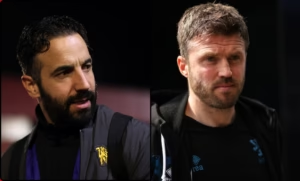
The 2024/25 season collapsed into humiliation. Erik Ten Hag was first extended, then dismissed. Ruben Amorim arrived promising tactical revolution, only to be removed after 14 months when squad construction proved incompatible with ideology.
More than £600 million was spent on players. Yet cohesion worsened. Profiles conflicted. Leadership thinned. Tactical suitability became an afterthought.
INEOS repeated Lausanne’s recruitment scattergun. Nice’s managerial impatience. Their own historic “cock-ups.”
Meanwhile, redundancies hit staff. Sir Alex Ferguson’s ambassadorial role was ended. Travel was downgraded. Morale fractured.
Supporters who wanted a football revolution instead witnessed corporate disruption layered onto sporting dysfunction.
The business of Manchester United improved. The football declined.
That is the core indictment.
Why the Pattern Persists
INEOS do not fail through neglect. They fail through misapplication.
Their model thrives on controllable systems—manufacturing, logistics, acquisitions. Football is not controllable. It is cultural, emotional, political, and unpredictable. It resists industrial reduction.
INEOS consistently underestimate:
• The importance of continuity
• The emotional economy of supporters
• The danger of constant structural resets
• The fragility of sporting confidence
• The irreversibility of lost trust
They pursue efficiency where football demands stability. They impose models where clubs need identity. They restructure before understanding.
The multi-club system exemplifies this flaw. On paper, it promises synergy. In reality, it breeds hierarchy, resentment, regulatory conflict, and fractured focus.
INEOS do not build football cultures. They install football departments.
The difference is everything.
What Manchester United Now Represents
United are no longer simply underperforming. They are institutionally unstable.
They are managed by a corporate entity whose football track record shows repeated cycles of ambition, turbulence, partial admission, and continued repetition.
The danger is not that INEOS are malicious. The danger is that they are confident.
Confident enough to believe football is something they can eventually optimise.
History shows it does not work that way.
The Crossroads Has Already Been Reached
Manchester United do not need another “project.”
They need football clarity. Sporting humility. Cultural reconstruction. Leadership continuity. Patience enforced, not promised.
INEOS’s history at Lausanne and Nice is not background noise. It is diagnostic data.
Instability. Managerial churn. Fan alienation. Strategic incoherence. Corporate overreach.
Those patterns are now visible at Old Trafford.
Supporters replaced Glazer apathy with hope. That hope is now being replaced by recognition: that ownership change alone does not equal football intelligence.
Unless INEOS fundamentally abandon their corporate instinct to control, restructure, and accelerate—unless they learn that football must be built organically, not engineered—Manchester United risk becoming the most expensive lesson in modern sports management.
The club is no longer waiting at a crossroads.
It is already on a road.
And history suggests this one does not lead where fans were promised.
About The Author