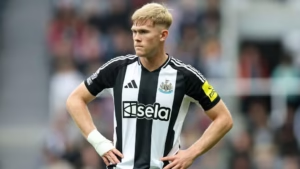
Wayne Rooney’s Potential Coaching Return to Manchester United: A No-Brainer or a Risky Gamble?
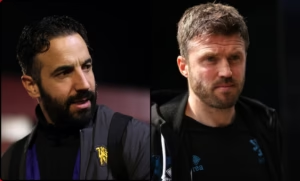
Wayne Rooney has declared he’d eagerly rejoin Manchester United as part of Michael Carrick’s coaching staff, labeling it a “no-brainer” after Ruben Amorim’s sacking.
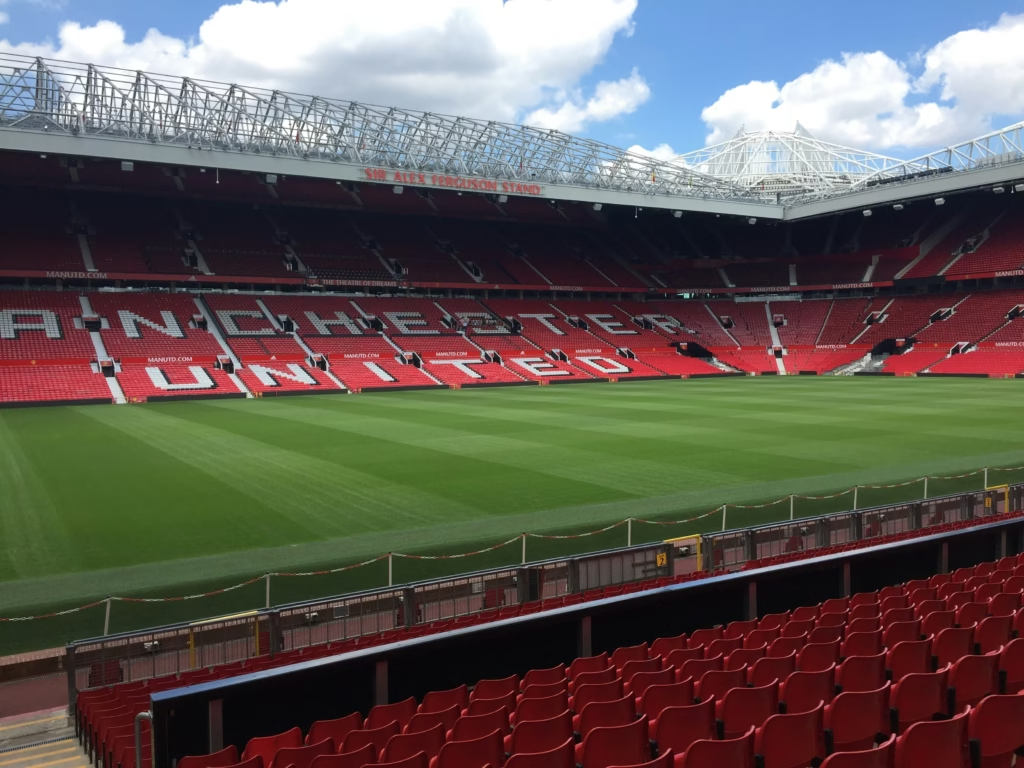
At Manchester United, managerial merry-go-rounds have become as predictable as their matchdays at home as well as away from home, despite this, a familiar name has resurfaced. Wayne Rooney, the club’s all-time leading goalscorer and a symbol of its glory days under Sir Alex Ferguson, has publicly declared his openness to returning as part of Michael Carrick’s coaching staff. Speaking on his BBC podcast, Rooney called it a “no-brainer” if offered the role, emphasizing he’s not begging but would jump at the chance to assist his former teammate. This comes amid United’s latest crisis: the sacking of Ruben Amorim after a dismal run, leaving the team languishing in seventh place in the Premier League with just 32 points from 21 games and cup exits.
As of January 13, 2026, Carrick has been appointed interim manager until the season’s end, tasked with salvaging a campaign that’s seen United flirt with mid-table mediocrity rather than title contention. His backroom team includes experienced figures like Steve Holland (former England assistant) and Jonathan Woodgate, signaling a blend of tactical nous and club familiarity. Rooney’s potential involvement adds intrigue—could the fiery striker-turned-manager inject the passion United so desperately needs, or would it be another nostalgic misstep in a post-Ferguson era riddled with them?
In this article, we delve deep into the implications of Wayne Rooney’s possible return, examine the positive and negative impacts, assess the realistic chances of it happening, evaluate what Rooney brings to the table despite his underwhelming managerial track record, question whether United truly needs him, contrast expectations with reality, and explore how he might contribute to steering the club forward. Rooney is a legend, but legends don’t always translate to coaching success.
Rooney’s Enduring Legacy at Manchester United
No discussion of Wayne Rooney at Manchester United can ignore his monumental playing career. From 2004 to 2017, Rooney embodied the club’s attacking ethos, scoring 253 goals in 559 appearances across all competitions—the most in United’s history. He arrived as an 18-year-old prodigy from Everton for £25.6 million, immediately announcing himself with a Champions League hat-trick debut against Fenerbahçe. Under Ferguson, he formed lethal partnerships with Cristiano Ronaldo and Carlos Tevez, helping secure five Premier League titles, a Champions League triumph in 2008, and the 2016 FA Cup under Louis van Gaal.
Wayne Rooney’s versatility was key: starting as a explosive forward, he evolved into a deeper-lying playmaker, amassing 103 Premier League assists (fourth all-time). Iconic moments abound—the overhead kick against Manchester City in 2011, voted the Premier League’s best goal ever; surpassing Sir Bobby Charlton’s record in 2017; and captaining the side in his later years. Internationally, his 53 England goals (second all-time) further cement his status.
Yet, honesty demands acknowledging the twilight: injuries and form dips saw him leave for Everton in 2017, a move that felt like closure. His return as a coach would tap into this legacy, potentially galvanizing fans and players alike. But legacies alone don’t win games—coaching credentials do.
Rooney’s Managerial Journey: A Tale of Promise and Pitfalls
Rooney’s transition to management has been far from smooth, marked by flashes of potential overshadowed by consistent underachievement. Starting as player-manager at Derby County in November 2020, he inherited a team bottom of the Championship and steered them to survival despite a 21-point deduction for financial breaches the following season. His record there: 24 wins from 85 games (28.2% win rate), including navigating administration chaos.
At DC United in MLS (2022-2023), he improved the team’s points tally to 40 in his full season but missed playoffs, with 14 wins from 53 games (26.4% win rate). Birmingham City (2023-2024) was a disaster: sacked after 15 games with just two wins (13.3% win rate), dropping the team from playoff contenders to relegation battlers. Plymouth Argyle (2024) fared little better—five wins from 25 games (20% win rate), leading to mutual departure in December 2024 amid injuries and poor form.
Overall, Rooney’s 177 games yield a 26% win rate (46 wins, 44 draws, 87 losses), with teams often criticized for defensive frailties and inconsistent tactics. He favors a 4-2-3-1 formation, emphasizing possession, but results suggest struggles in implementation. Positively, he’s shown resilience in crises (e.g., Derby), and his player pedigree earns respect. However, repeated sackings highlight inexperience—Rooney, at 40, has only four years in dugouts, often in high-pressure, resource-strapped environments. As he admitted recently, he’d avoid similar “situations” again, prioritizing family and stability. This candor is refreshing, but it underscores his limited track record.
Manchester United’s Current Predicament
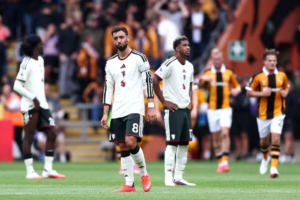
United’s 2025-26 season has been a nightmare. Seventh in the league with a +4 goal difference, they’re not closer to the relegation zone (18 points above) but are closer to the top four (3 points behind Liverpool). Amorim’s departure followed a string of draws and losses, exposing defensive vulnerabilities and attacking bluntness. With 17 games left, Carrick’s brief is clear: secure European football, ideally Champions League, though Europa League seems realistic.
The squad boasts talents like Bruno Fernandes, Matheus Cunha, and young stars like Amad, but inconsistencies abound. INEOS ownership has emphasized rebuilds, interviewing Carrick over Ole Gunnar Solskjaer for the interim role. January transfers are cautious, focusing on summer overhauls. Amid this, Wayne Rooney’s name evokes nostalgia, but does it fit the data-driven approach?
Positive Impacts of Rooney’s Return
Rooney’s inclusion could be transformative. His intimate knowledge of United’s DNA—aggression, resilience, winning mentality—might reinvigorate a squad lacking identity. As a former captain, he’d command instant respect, mentoring young forwards like Amad Diallo on finishing and leadership.
Positively, his “no-brainer” enthusiasm shows commitment, potentially boosting morale. At Derby, he united a fractured club; at United, he could bridge the gap between eras, aiding Carrick’s transition. Fan engagement would soar—Wayne Rooney’s return could sell tickets and shirts, easing pressure on the interim setup. Analytically, his experience in survival battles (Derby, Plymouth) aligns with United’s fight for top-six, offering tactical insights on counter-attacks and set-pieces, where he’s shown competence.
Moreover, pairing with Carrick—both Class of ’92 contemporaries—evokes successful alumni models like at Bayern or Ajax. If Rooney focuses on attacking drills, complementing Holland’s defensive expertise, the staff could balance. In a season of low expectations, his passion might spark a turnaround, as seen in his unbeaten MLS starts.
Negative Impacts and Risks
Honesty compels highlighting the downsides. Rooney’s managerial failures raise red flags—his low win rate suggests tactical naivety, with teams often conceding heavily (186 goals in 139 games pre-Plymouth). At Birmingham, his possession style alienated fans and players, leading to a nosedive. Imposing similar ideas at United could exacerbate existing issues like slow build-up play.
Critics argue nostalgia blinds: United’s post-Ferguson hires (Moyes, Van Gaal, Mourinho) often prioritized big names over proven systems. Rooney’s inexperience (no top-flight management) risks destabilizing Carrick’s tenure, especially if results falter—media scrutiny would intensify, labeling it a “jobs for the boys” setup.
Player dynamics could suffer; Rooney’s fiery temperament, evident in past red cards, might clash with modern egos. Financially, his salary (estimated £1-2m annually) diverts from youth investment. If the interim flops, Rooney’s involvement could tarnish his legacy, echoing Solskjaer’s bittersweet stint. Ultimately, his track record indicates more risk than reward in a high-stakes environment.
Chances of Rooney Being Offered the Role
Realistically, chances are moderate—around 40-50%. Carrick’s staff is partially set (Holland, Woodgate, Binnion, Evans), but room exists for an assistant focused on forwards. Rooney’s public comments, timed with Carrick’s appointment, suggest informal discussions, especially after their recent Barbados holiday together.
However, INEOS’s data-led approach (Berrada, Wilcox) prioritizes proven coaches over sentiment—Carrick edged Solskjaer based on interviews. Wayne Rooney’s recent sacking and family priorities (unwilling to relocate) complicate logistics. If Carrick seeks a low-risk ally, Rooney fits; but for tactical depth, others like Ruud van Nistelrooy might appeal more. X posts and media buzz indicate fan support, potentially swaying decisions.
What Rooney Offers Despite Limited Experience
Despite his record, Wayne Rooney brings intangibles: unparalleled understanding of United’s pressure cooker, honed from 13 trophy-laden years. His player insights—scoring under multiple managers—could refine attacking patterns, where United have scored just 36 goals in 21 games.
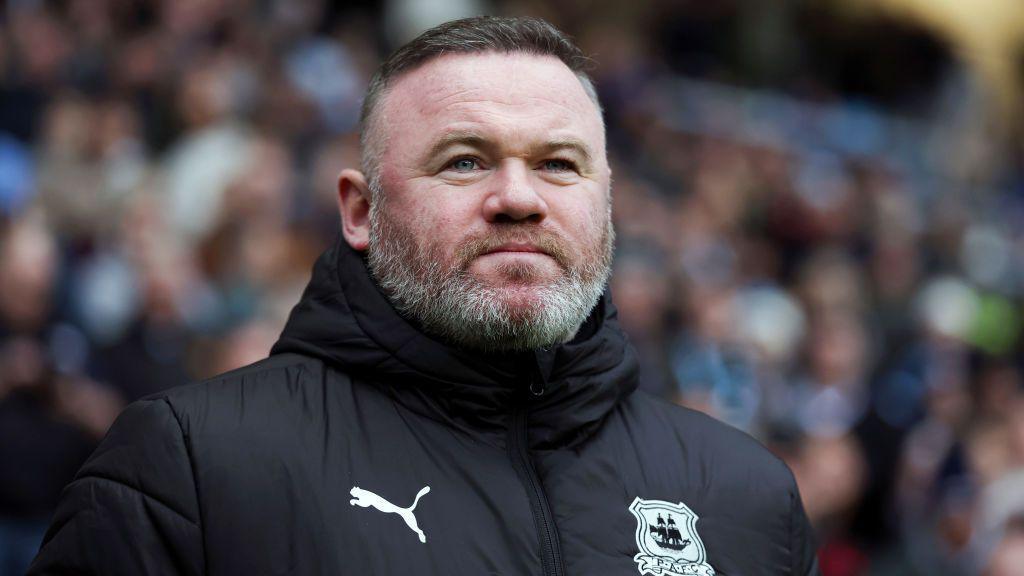
He offers motivational prowess, as praised by Carrick himself: “Michael is a very clever person… Wayne Rooney would command respect.” Limited experience? True, but his Derby resilience shows adaptability. As an assistant, not head, his risks diminish—he could focus on drills, leaving strategy to Carrick. His media savvy handles scrutiny, and youth development (e.g., at Derby) aligns with United’s academy ethos.
Does United Really Need Him?
Bluntly, no—United needs tactical revolutionaries, not romantic reunions. With a solid interim staff, Wayne Rooney’s addition feels superfluous. The club requires data analysts, set-piece specialists, and psychologists to address mental frailties, not another ex-player. Their seventh-place stagnation stems from systemic issues (recruitment, fitness), not a lack of “United DNA.” If anything, fresh perspectives like Holland’s suffice. Rooney might help short-term morale, but long-term? United’s history of alumni hires (Solskjaer) warns against it.
Expectations vs. Reality
Expectations: Fans envision Wayne Rooney as a talisman, igniting a top-four charge with fiery team talks and goalscoring tips. Reality: His coaching history predicts incremental gains at best—perhaps improved attacking cohesion, but no miracles. If United finish sixth, it’s Carrick’s doing; failures could scapegoat Rooney. Expectations of instant passion clash with his recent admissions of selectivity, potentially leading to early exits if tensions rise.
How Rooney Can Help Take United Forward
If appointed, Wayne Rooney should leverage strengths: mentor attackers, instill winning habits, and foster unity. By analyzing opponents’ defenses (drawing from his scoring exploits), he could boost efficiency. Collaborating with Carrick on youth integration—promoting talents like Lacey—aligns with sustainability. Off-field, his presence stabilizes amid chaos, aiding a summer rebuild. Ultimately, by succeeding as assistant, he paves his own path to future head roles, indirectly elevating United.
Weighing Heart Against Head
Wayne Rooney’s potential return stirs the soul— a homecoming for a legend who bled red. Positives like morale boosts and insider knowledge tempt, but negatives from his managerial flops loom large. Chances exist, but United doesn’t need him; expectations of heroism ignore harsh realities. If it happens, let it be a calculated step, not nostalgia-driven. For now, Carrick’s steady hand is the priority—Rooney could enhance it, but only if the fit is right. In football’s brutal arena, honesty trumps romance every time.
About The Author