Michael Carrick’s Manchester United Dream: Permanent Head Coach Role or Just Interim Glory in 2026?
Michael Carrick has sparked hope at Manchester United with four straight Premier League wins, including derbies over City and Arsenal. Despite his “at home” feeling and hints of wanting the job full-time, the club insists on an experienced permanent manager—will momentum force a U-turn?
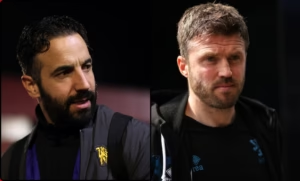
Michael Carrick, the composed midfielder who anchored United’s midfield during their last golden era, is back as interim head coach. Appointed on January 13, 2026, following Ruben Amorim’s unceremonious sacking, Carrick has ignited hope with a flawless start. But as fans dream of a fairy-tale ending, the reality is stark: United’s deep-seated issues, from ownership greed to on-field inconsistency, make his path to permanence fraught with challenges. We dive deep into Carrick’s ambitions, the club’s chaos, and whether change is truly on the horizon.
Carrick’s History with Manchester United: From Player to Potential Savior
Michael Carrick’s connection to Manchester United runs deep. Born in 1981 in Wallsend, England, he joined United from Tottenham Hotspur in 2006 for £18.6 million. Over 12 years, he made 464 appearances, scoring 24 goals and providing 38 assists. His accolades include five Premier League titles, a Champions League triumph in 2008, and captaining the side in his final season. Known for his tactical intelligence and passing prowess, Michael Carrick was the unsung hero in Sir Alex Ferguson’s engine room.
Post-retirement in 2018, Michael Carrick transitioned seamlessly into coaching. He served under Jose Mourinho, Ole Gunnar Solskjaer, and briefly as caretaker in 2021, where he oversaw three games: a 2-0 Champions League win over Villarreal, a 1-1 draw with Chelsea, and a 3-2 Premier League victory against Arsenal. He left for Middlesbrough in 2022, managing them to playoff contention before United called him back.
His January 2026 return was no accident. After Amorim’s 14-month reign ended in disaster—marked by tactical rigidity and a mid-table slump—United needed stability. Carrick, with his intimate knowledge of the club’s “DNA,” was chosen over Solskjaer and others. Supported by assistants like Steve Holland and Jonathan Woodgate, he’s implemented subtle changes: more fluid training sessions, earlier matchday arrivals, and a calmer dressing room vibe. These tweaks reflect his Middlesbrough style—possession-based, with quick transitions—tailored to United’s squad.
The Enormous Task Ahead: Reviving a Fallen Giant
Manchester United’s glory days feel like ancient history. Since Ferguson’s 2013 retirement, the club has cycled through 12 managers (including interims), winning just one major trophy: the 2017 Europa League under Jose Mourinho. The 2025-26 season started promisingly under Amorim but unraveled, culminating in Carabao cup exit in the hands of Grimsby and an FA Cup exit to Brighton on January 11, 2026. United sat ninth in the Premier League, out of Europe, and fan protests intensified.
Carrick inherited a squad plagued by inconsistencies. Key players like Bruno Fernandes (played deep role under Amorim) and Casemiro have underperformed, with injuries to Matthijs De Ligt and Mason Mount compounding issues. Yet, his impact has been immediate: a 2-0 derby win over Manchester City on January 17, a thrilling 3-2 victory at Arsenal on January 25, and a 3-2 home triumph against Fulham on February 1. These results propelled United to fourth, six points off second, reigniting Champions League hopes.
Analytically, Michael Carrick’s tweaks shine. Under Amorim, United averaged 1.4 points per game; Carrick’s 3.0 is perfect. Possession has risen from 52% to 58%, shots per game from 12 to 15, and defensive solidity improved—conceding just four goals in three matches. He’s shifted to a compact 4-4-2, empowering Fernandes in midfield and revitalizing Casemiro, who scored against Fulham and boasts a 58% duel win rate under Carrick (up from 51%).
But the task is enormous. Upcoming fixtures against Tottenham (February 7 (W0) , West Ham (February 10), and Everton (February 23) will test depth. United’s squad, aging in parts (Casemiro is 33), lacks the firepower of rivals like Arsenal or City. Michael Carrick must navigate without mid-season signings—January 2026 saw zero transfers—relying on youth like Travis Binnion’s academy talents.
Off-Field Management: The Glazers’ Profit-First Poison
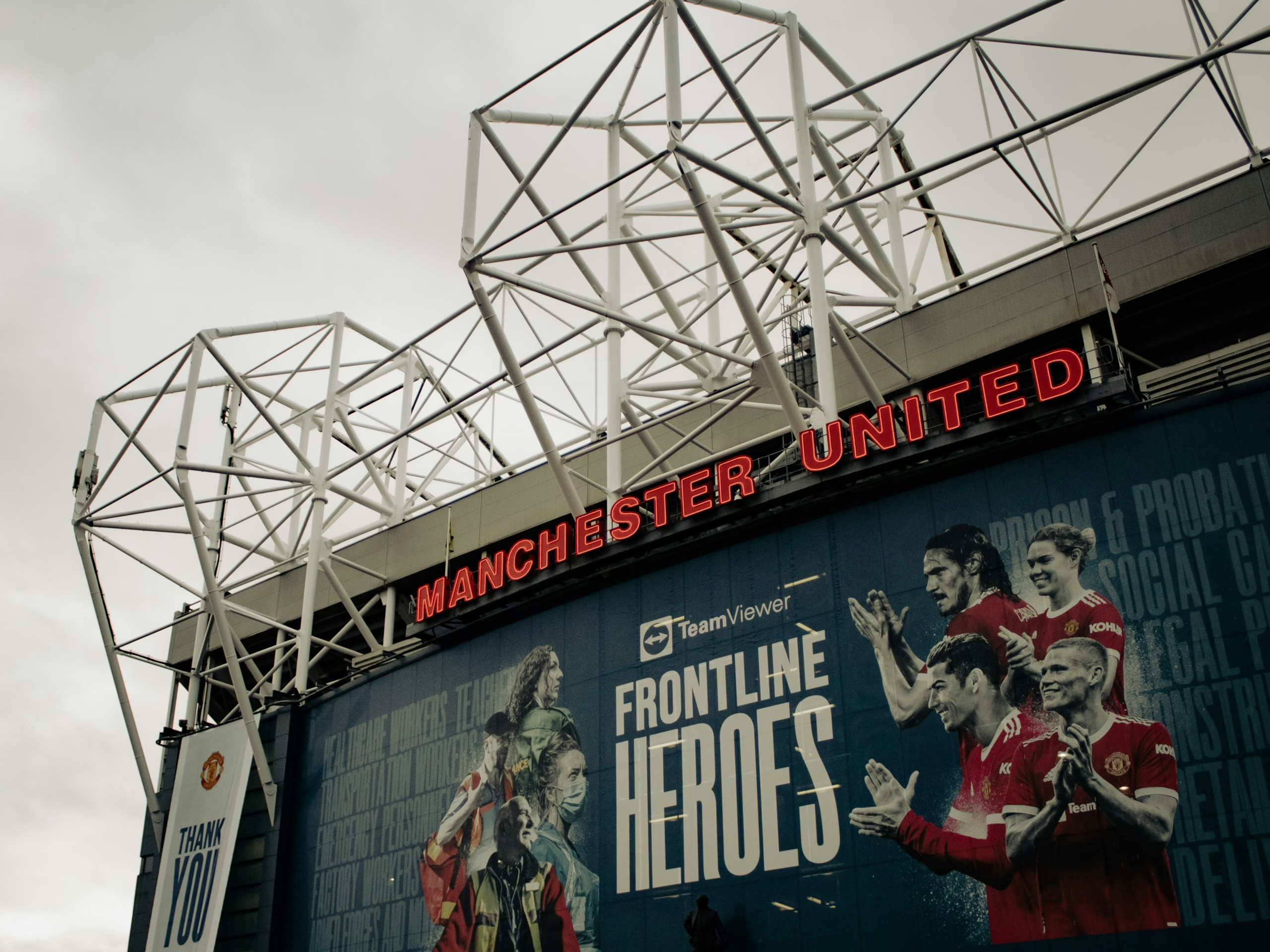
No analysis of United is complete without dissecting the Glazer ownership. Avram and Joel Glazer acquired the club in 2005 via a leveraged buyout, saddling it with over £500 million in debt. By 2026, dividends extracted exceed £1 billion, while infrastructure crumbles—Old Trafford’s leaky roof symbolizes neglect. Prioritizing commercial deals (think endless sponsorships) over football investment has led to a decade-plus of mediocrity.
Fan tension peaked in 2021 with Super League protests, but the Glazers have mastered survival. In 2023, Sir Jim Ratcliffe’s minority stake promised change, yet by 2026, little has materialized. The club’s £800 million debt persists, transfer budgets are constrained (net spend just £250 million in 2025), and scouting remains haphazard. Amorim’s sacking cost £10 million in compensation, adding to financial strain.
Brutally honest: The Glazers exploit United’s brand for profit, not success. Fan groups like The 1958 continue boycotts, chanting “Glazers Out” at games. This off-field rot has directly fueled on-field failures—mismanaged appointments like David Moyes, Louis van Gaal…, and now Amorim. Carrick’s interim role buys time, but without ownership reform, any coach faces an uphill battle. As one insider noted, “The problems start at the top.”
Years of Poor On-Field Results: A Cycle of Failure
United’s post-Ferguson era is a litany of squandered potential. Moyes lasted 10 months; Van Gaal won an FA Cup but bored fans; Mourinho delivered silverware yet clashed internally; Solskjaer charmed but crumbled under pressure; Ralf Rangnick exposed structural flaws; Ten Hag peaked early then faded; Amorim’s possession obsession alienated players.
Statistically, it’s damning. From 2013-2026, United’s average league finish is sixth—far from the pre-2013 dominance (13 titles in 21 years). Goals scored per season dipped from 86 (2012-13) to 58 (2024-25). Defensive frailties persist: 58 goals conceded in 2023-24, the worst in decades.
Michael Carrick’s revival offers hope, but history warns against hype. Solskjaer’s 2018 interim stint started with 14 unbeaten games, earning permanence—only to end in sackings. Carrick’s 100% record is impressive, but sustaining it amid fixture congestion and injuries is tough. Players praise his calm—Diogo Dalot credits “new routines” for renewed energy—but tactical adaptability will be key against varied opponents.
Slim Chances for Permanent Hire: Club’s Clear Stance
United’s communication is unequivocal: Carrick’s role is temporary until season’s end. On January 13, 2026, the club stated they seek an “experienced manager” permanently, allowing a “proper process” to unfold. Insiders emphasize avoiding “knee-jerk” decisions, learning from past rushes.
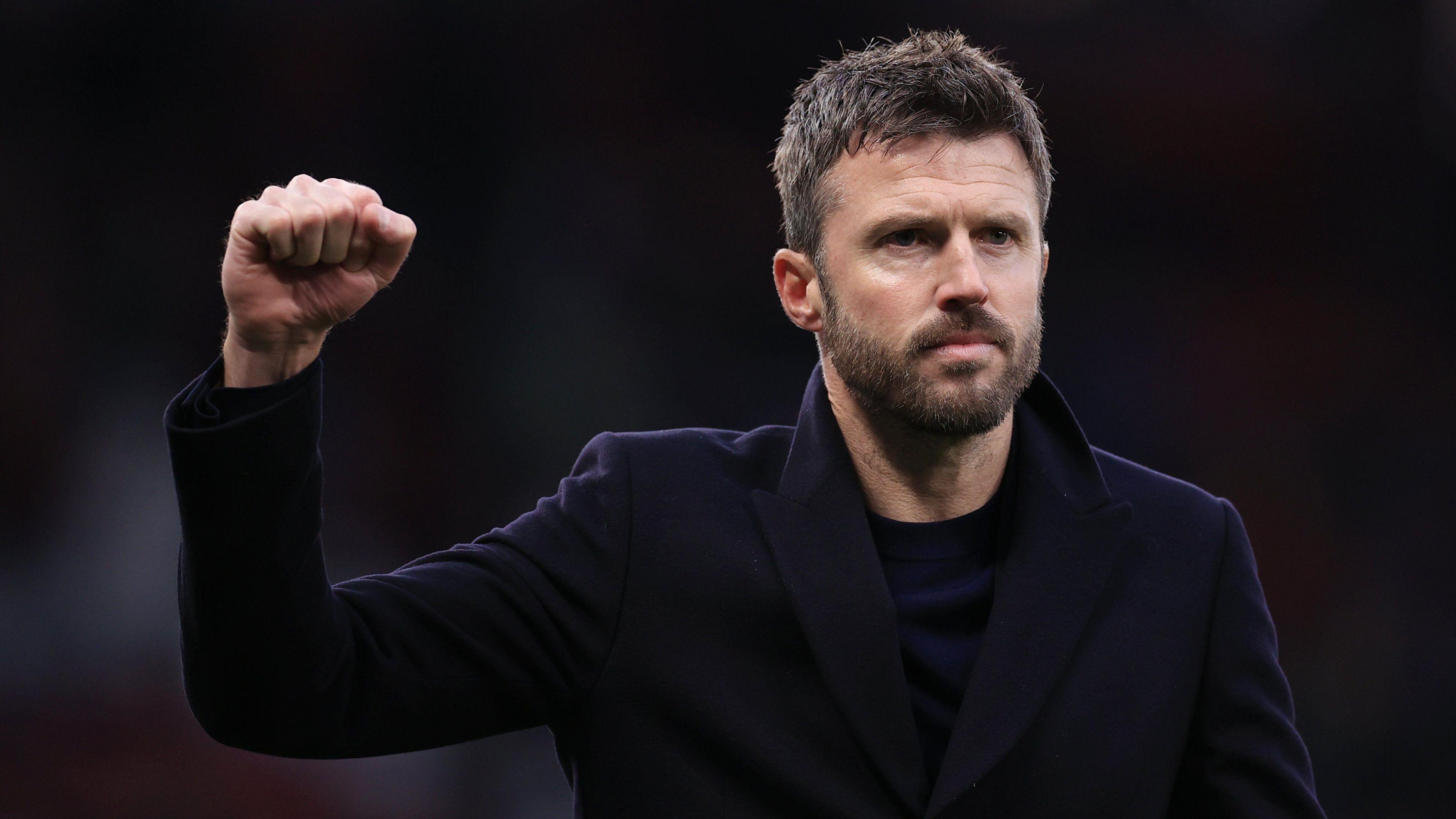
Michael Carrick himself downplays prospects. In a February 5 press conference, he said, “Nothing’s changed… I’m fully aware of the role I’m doing.” Nominated for January’s Manager of the Month alongside Andoni Iraola, Liam Rosenior, and Sean Dyche, he’s focused on short-term success. Club shortlists include Thomas Tuchel (England boss), Carlo Ancelotti (Real Madrid), Julian Nagelsmann (Germany), and Mauricio Pochettino (ex-Chelsea).
Why slim chances? Experience matters—Michael Carrick’s managerial CV is solid (Middlesbrough playoffs) but lacks elite-level longevity. At 44, he’s young; United craves a proven winner like Tuchel, who won Champions League with Chelsea. The World Cup cycle complicates availability, but summer 2026 offers options.
Analytically, odds are against him. Only two interims (Solskjaer, Guus Hiddink at Chelsea) secured permanence in recent Premier League history. United’s board, under Ratcliffe’s influence, prioritizes data-driven hires over sentiment.
Factors That Could Change Dramatically: Momentum and Fan Pressure
Yet, football is unpredictable. Carrick’s streak could force a rethink. If United secure top-four by May 2026—currently fourth with 14 games left—his case strengthens. Wins against Tottenham could extend his run to four, boosting morale.
Player buy-in is crucial. Fernandes, revitalized under Carrick, could lobby for him. Fan sentiment sways boards; chants of “Carrick’s at the wheel” echo 2018 Solskjaer vibes. Reports suggest Carrick wants Rashford back if permanent— a bold move to reunite with the academy product sold in 2025.
Ownership dynamics might shift. Persistent protests could pressure Glazers toward sale, ushering fresh investment. If Carrick delivers Champions League revenue (£80 million+), he’s invaluable.
Brutally, change requires results. A dip—like losses to West Ham or Everton—reverts to plan A. But sustained form? Things could pivot dramatically, as Carrick hinted: “We’ll see what happens.”
Hope Amid Realism for Manchester United
Michael Carrick’s desire to stay as head coach is genuine—he feels “at home” at Old Trafford. It’s a nice move, injecting nostalgia and tactical nous. But the enormous task—battling Glazer greed, historical failures, and squad limitations—makes permanence slim. United’s stated intent for an experienced hire holds, yet football’s volatility means nothing’s set.
For fans who are craving for glory, Michael Carrick represents authentic revival. His honest approach contrasts ownership’s exploitation. Whether he stays or not, United must address root issues for sustainable success. As February 2026 unfolds, eyes are on Carrick—could this interim spell rewrite the script?
About The Author