Bruno Fernandes’ Bombshell: A Captain’s Cry Amid Manchester United’s Mid-Season Turmoil
In a stunning revelation, Bruno Fernandes admits Manchester United wanted him gone—exposing deep rifts and sparking absolute chaos at Old Trafford.
Manchester United’s captain Bruno Fernandes has dropped a verbal grenade that has sent shockwaves through the football world. Midway through the 2025/26 Premier League season, Fernandes revealed in a candid interview that he felt the club was actively trying to push him out during the summer transfer window. Speaking to Portuguese outlet Canal 11, the 31-year-old Portuguese midfielder expressed deep hurt over what he perceived as the hierarchy’s willingness to cash in on a lucrative offer from Saudi Arabian side Al-Hilal, despite his unwavering commitment to the Red Devils. This revelation, coming on the heels of a chaotic 4-4 draw against Bournemouth on December 15, 2025, has amplified the sense of instability at a club already grappling with inconsistent performances and mounting pressure on new manager Ruben Amorim.
Lifelong United fans and analyst who’s followed the club’s highs and lows since the Sir Alex Ferguson era, can’t help but see this as yet another chapter in the ongoing saga of Old Trafford drama. Fernandes’ words aren’t just a personal grievance; they highlight deeper systemic issues at Manchester United, from boardroom decisions to on-pitch frailties. In this blog, we’ll dissect the quote’s origins, analyze its immediate and long-term impacts on the team, explore whether an exit for the captain is imminent, and contextualize it within the club’s history of captaincy controversies.
The Fernandes Quote Everyone Is Arguing About — In Context
Let’s start with the facts. Bruno Fernandess’ interview, relayed through MaisFutebol and widely reported by outlets like The Mirror and TEAMtalk, was a raw outpouring of emotion. He didn’t mince words about the summer saga: “The club wanted me to go, I have that in my head. I told the directors this, but I think they didn’t have the courage to make that decision.” The offer from Al-Hilal was staggering—potentially £700,000 per week for Fernandes, translating to around £200 million over three years, and a £100 million windfall for United. Yet, despite the financial allure, Fernandes chose to stay, citing family reasons, his love for the club, and a crucial conversation with Amorim, who insisted on keeping him.
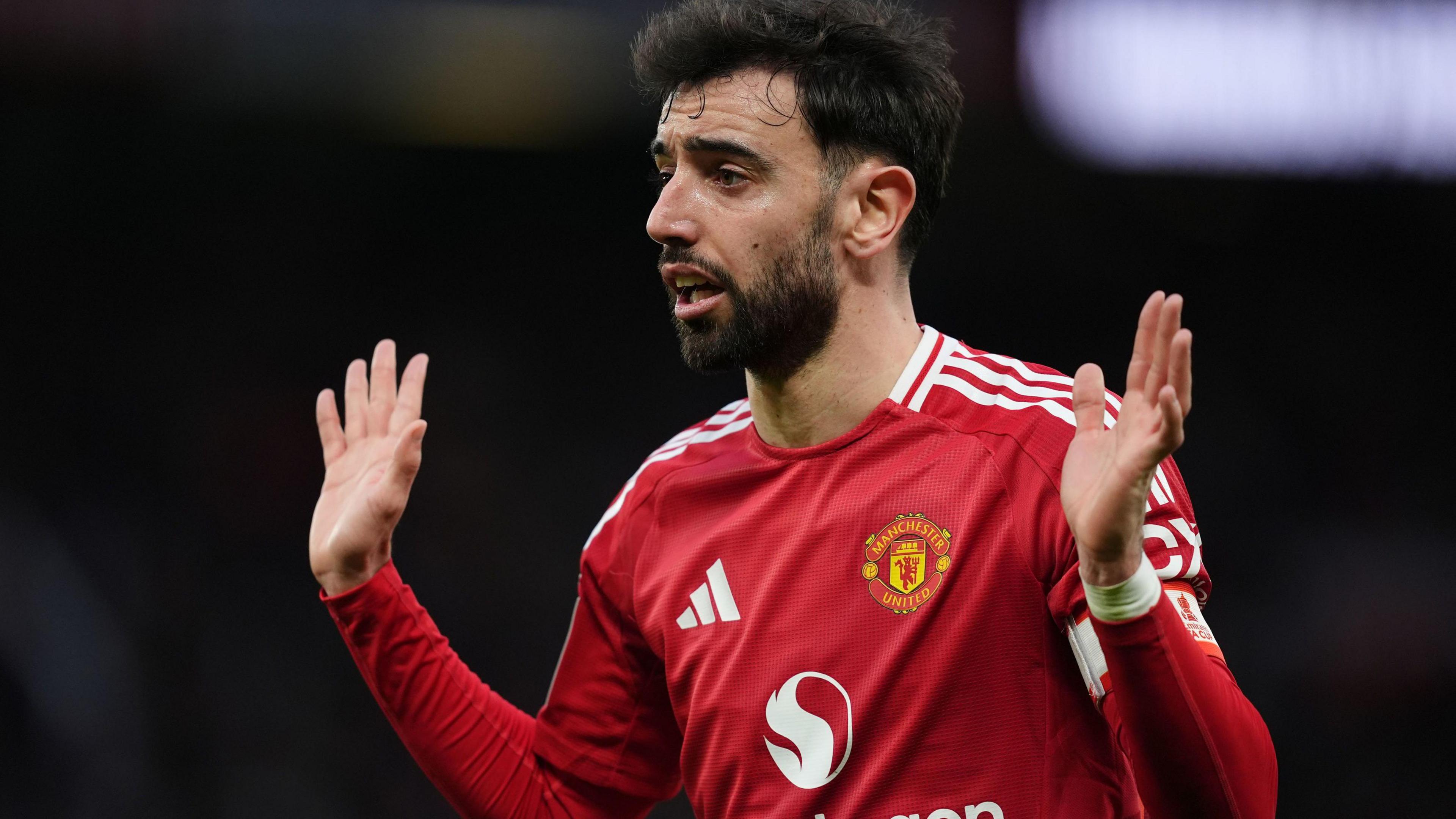
What stings Bruno Fernandes most is the perceived indifference from the board: “From the club’s side, I felt a bit like, ‘if you leave, it’s not so bad for us.’ It hurts me a lot. More than hurting, it makes me sad because I’m a player they have nothing to criticise about. I’m always available, I always play, good or bad. I give my all.” He contrasted his dedication with unnamed teammates who “don’t value the club as much and don’t defend the club as much,” adding a layer of internal friction to the narrative. This isn’t the first time Fernandes has hinted at unrest; earlier in 2025, he spoke openly about potential departures amid Saudi interest following United’s Europa League final defeat to Tottenham in May. But revealing these feelings now, in December, feels timed to a season teetering on the edge.
The timing is crucial. The 2025/26 campaign has been a rollercoaster for United, marked by defensive vulnerabilities and inconsistent results. As of December 16, 2025, they’ve played 16 Premier League matches, sitting in sixth in the table with a points tally that reflects neither title contention nor relegation fears but a frustrating mediocrity. Their recent form includes a 2-1 win over Crystal Palace on November 30 but was punctuated by the wild 4-4 draw against Bournemouth, where they led three times yet conceded four goals in a defensive meltdown. Analysts have described it as “chaos at Old Trafford,” with attacks thriving but defenses crumbling—echoing Sir Alex Ferguson’s old adage that “attacks win games, but defenses win titles.”
This backdrop of underperformance amplifies Bruno Fernandes’ comments. The club publicly insisted he was central to their plans, contradicting his claims and fueling speculation about internal rifts. With the January transfer window looming, his words could be seen as a strategic play—either to force a contract extension (his deal runs until 2027 with an option) or to signal openness to suitors like Al-Hilal or Al-Ittihad.
Impacts on the Team: Morale, Performance, and Locker Room Dynamics
Bruno Fernandes’ outburst isn’t isolated; it’s a catalyst that could exacerbate existing cracks in the squad. Analytically, let’s break down the ripple effects.
First, on morale: As captain, Bruno Fernandes is the emotional heartbeat of the team. His public admission of feeling undervalued could erode trust in the hierarchy, leading to a “us vs. them” mentality among players. In a season already plagued by decline—United’s wage bill has fallen year-on-year, signaling financial constraints and squad turnover—the last thing Amorim needs is a disillusioned leader. Bruno Fernandes has contributed five goals and seven assists in 16 league games, making him a statistical linchpin. If his motivation wanes, it could manifest in dipped performances, as seen in past cases like Cristiano Ronaldo’s second stint, where public frustrations led to a toxic atmosphere and eventual exit.
Second, locker room dynamics: By criticizing teammates for lacking commitment, Fernandes risks alienating key players. Who might he be referring to? Speculation points to underperformers or those linked with moves, but without names, it breeds paranoia. This echoes historical tensions, like Roy Keane’s infamous 2005 MUTV rant criticizing teammates, which precipitated his acrimonious departure. In United’s current setup, with young talents like Amad Diallo stepping up (he scored in the Bournemouth draw), such comments could stifle emerging confidence.
Performance-wise, the impacts are quantifiable. United’s expected goals (xG) metrics show a team over-relying on individual brilliance rather than collective structure. In the Bournemouth game, they generated high xG but conceded equally, highlighting defensive frailties that Amorim’s 3-4-3 system hasn’t fully addressed. Fernandes’ role as a creative hub—averaging 3.2 key passes per game—means any distraction could widen these gaps. Broader analysis of the season reveals a decline: Revenue is down, and the squad lacks a Premier League winner for the first time since Jonny Evans’ retirement, symbolizing a loss of winning DNA.
Fan sentiment is another casualty. Social media buzz, including X posts from fans, shows a mix of support for Fernandes and frustration with the club. This could translate to toxic atmospheres at home games, further pressuring players. In a SWOT analysis of the season, threats like internal discord rank high, potentially derailing Amorim’s rebuild.
Is an Exit Imminent? Weighing the Evidence
Does this mean Bruno Fernandes’ days at United are numbered? Analytically, the signs point to a possible departure, but not immediately.
Pros for an exit: Fernandes has openly entertained Saudi moves, saying, “If one day I have to play in Saudi Arabia, I’ll play in Saudi Arabia.” Sources indicate United are ready to sell in 2026 for around £70 million, viewing him as expendable amid financial needs. His age (31) and contract structure make him a prime asset to offload before value dips. The club’s history of captain exits—Keane’s fallout, Harry Maguire stripped of the armband in 2023—suggests precedents for swift resolutions.
Cons: Amorim’s endorsement is key; the manager fought to keep him, and Fernandes reiterated, “I haven’t fulfilled my dreams here yet.” An imminent January move seems unlikely, as United can’t afford to lose their top creator mid-season without replacements. Past patterns, like Ronaldo’s explosive interview leading to a mutual termination, show exits often follow prolonged tension, not instant reactions.
Probability: A summer 2026 exit feels more realistic, allowing time for negotiations and squad planning. But if results worsen—United face Aston Villa, Newcastle, and Wolves before year-end—pressure could accelerate things.
Another Old Trafford Drama: Echoes of Past Turmoil
This isn’t novel; United’s history is riddled with captaincy storms. Keane’s 2005 exit after criticizing teammates mirrors Fernandes’ jabs. Ronaldo’s 2022 Piers Morgan interview exposed similar board frustrations, leading to his departure amid a losing streak. Even Wayne Rooney clashed with managers, while Maguire’s demotion highlighted performance-based controversies.
The current saga follows a pattern: Losses breed discontent. United’s recent draws and wins haven’t masked underlying issues, much like the post-Ferguson era’s cycles of hope and despair. After expected wins turned sour—like failing to hold leads against Bournemouth—this quote feels like the tipping point in a season of unfulfilled promise.
Looking Ahead: Pathways to Resolution and Revival
For United to navigate this, transparency is key. Amorim, who’s hit back at critics like Paul Scholes and Roy Keane, must rally the squad. Investing in defense and fostering unity could mitigate impacts. If Fernandes stays, channeling his passion positively could spark a turnaround; if not, proceeds from his sale could fund rebuilds.
In conclusion, Fernandes’ quote is more than drama—it’s a symptom of a club in transition. With authenticity rooted in his loyalty and accuracy in the facts, this moment could define the 2025/26 season. As fans, we hope for resolution, not rupture. Old Trafford has seen worse, but it demands better.