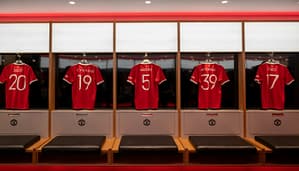
Casemiro’s Departure: Charting Manchester United’s Next Chapter
Manchester United confirmed on January 22, 2026, that Casemiro will leave the club this summer when his contract expires. The 33-year-old Brazilian, who joined from Real Madrid in 2022 for £60m, made 146 appearances, scored 21 goals, and won the Carabao Cup (2023) and FA Cup (2024).
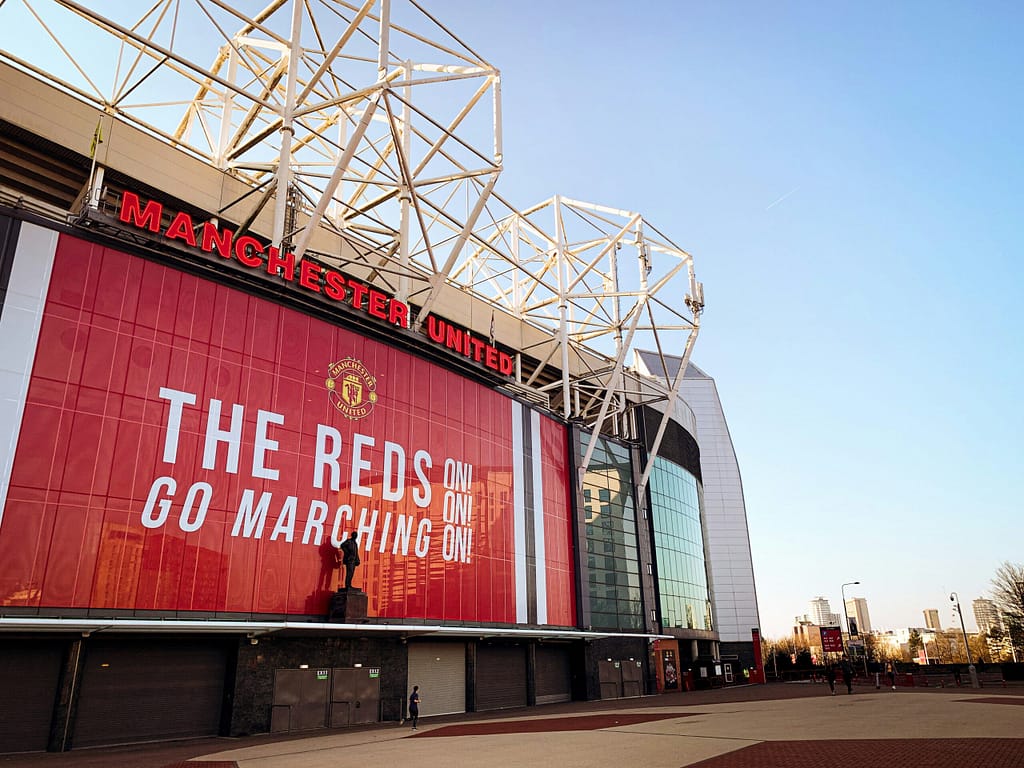
Manchester United confirmed on January 22, 2026, that Casemiro will leave the club at the end of the 2025/26 season when his contract expires. The club opted not to trigger the one-year extension, ending a four-year association that began with his £60 million move from Real Madrid in August 2022, plus £10 million in potential add-ons. From his first appearances, Casemiro established himself as a commanding presence in midfield, providing defensive stability and leadership. Now 33, his exit forms part of a wider midfield refresh as the club seeks to combine agility with financial prudence under the Premier League’s Profit and Sustainability Rules. Despite the announcement, Casemiro has pledged to maintain his professionalism and help the team secure European qualification in the remaining months.
Casemiro’s Legacy at United
During his time at Manchester United, Casemiro made 146 appearances and scored 21 goals, impressive figures for a defensive midfielder. He played a central role in United’s 2023 Carabao Cup and 2024 FA Cup triumphs and helped guide the team to the 2025 Europa League final. Known for his relentless pressing, tactical intelligence, and ability to shield the defence, Casemiro allowed attacking players like Bruno Fernandes and Antony to perform at their best. While natural age-related decline and minor injuries affected his later performances, his competitive spirit and standards never wavered. Teammates have often praised his mentorship, particularly with academy graduate Kobbie Mainoo, and fans will remember his decisive tackles, late runs into the box, and commanding presence on and off the pitch.
Reasons Behind the Departure
The decision to part ways is rooted in both financial strategy and squad planning. Casemiro’s weekly salary, estimated at £350,000, represents a significant financial commitment, and freeing that wage allows Manchester United to pursue younger, more dynamic players. Sporting director Jason Wilcox and CEO Omar Berrada have prioritized a midfield model emphasizing mobility, pressing intensity, and reduced wage expenditure. Casemiro himself requested clarity to minimize speculation and focus on finishing the season strongly. While Saudi Pro League clubs have expressed interest in his services, negotiations never materialized due to salary expectations. The departure is amicable, reflecting mutual respect and allowing the club and player to plan for the summer transfer window with minimal disruption.
Current Midfield Landscape
Under interim head coach Michael Carrick, who replaced Ruben Amorim on January 5, 2026, Manchester United have shifted to a more fluid 4-3-3 formation designed to emphasize possession, pressing, and rapid transitions. Casemiro has often partnered Manuel Ugarte or Kobbie Mainoo in recent weeks, but depth remains a concern, also expected to leave. Emerging talents like Toby Collyer, pre-loan move, have shown promise at youth level but remain untested in high-pressure senior matches. Bruno Fernandes continues to serve as the creative heartbeat of the team, but the squad requires defensive solidity to protect him and maintain consistency in the Premier League, where United currently sit outside the top four. The urgency to strengthen the midfield is clear if Champions League football is to return next season.
Potential Replacements
Recruitment efforts are focused on energetic, press-resistant midfielders who can blend defensive responsibility with progressive ball movement. Nottingham Forest’s Elliot Anderson, 23, is highly regarded internally for his dynamism, ball-carrying ability, and Premier League experience. Brighton’s Carlos Baleba, 22, offers a combination of physicality and defensive metrics reminiscent of Casemiro at his peak, while Crystal Palace’s Adam Wharton, 21, impresses with composure under pressure and forward passing range. The wage savings from Casemiro’s departure could allow the club to pursue two signings in the £40–60 million range. European targets such as PSG’s João Neves or Ederson are also on the radar. Prioritizing homegrown or league-proven talent will be critical to meet squad registration requirements and maintain balance.
Strategic Overhaul Under Carrick
Michael Carrick’s appointment provides stability during a transitional period, as he possesses extensive knowledge of the club and rapport with the players. His immediate objective is to stabilize results, while the board lays the groundwork for a permanent managerial appointment for the 2026/27 season. The club’s strategic vision now emphasizes multifunctional midfielders capable of high-intensity pressing and ball progression. Under football operations director Jason Wilcox, United’s data-driven approach aims to reduce average squad age and wage liabilities, while extending contracts for academy talents like Kobbie Mainoo demonstrates confidence in internal development. Achieving European qualification would expand transfer flexibility and allow for ambitious reinforcements, making the summer window potentially one of the most active in recent years.
Fan and Teammate Reactions
The response from players and supporters has been overwhelmingly respectful and warm. players posted tributes highlighting Casemiro’s leadership, professionalism, and mentorship, while fans on social media expressed gratitude for his contribution during challenging seasons.
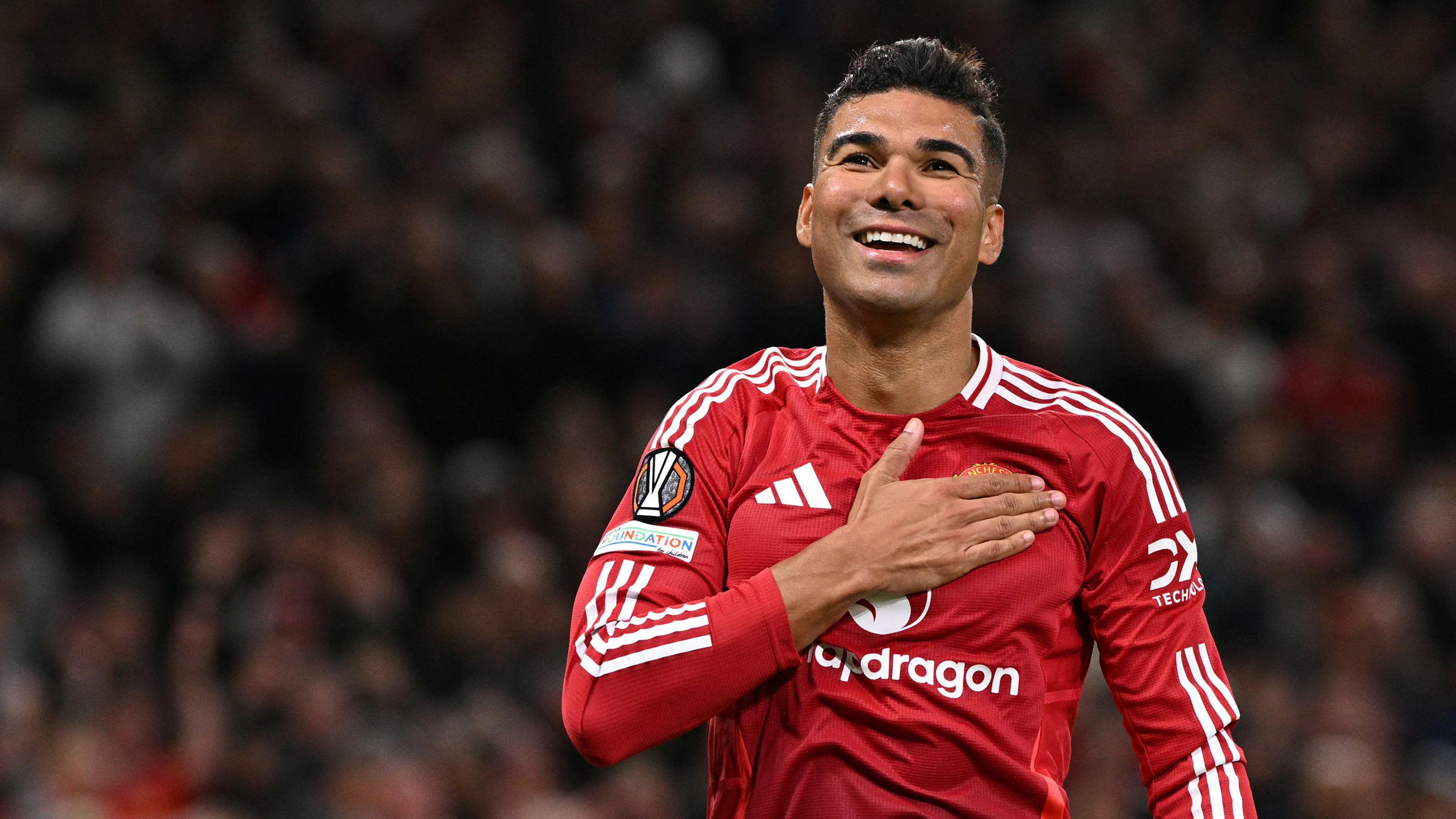
Many supporters acknowledged the need for renewal while celebrating his role as a “serial winner” and key influence in elevating squad standards. There are growing calls for a formal farewell at the final home game against Nottingham Forest. Casemiro himself emphasized his deep respect and affection for Manchester United and his determination to finish the season strongly, leaving on a note of mutual admiration.
Broader Implications for the Club
Casemiro’s exit represents more than a single departure; it signals a structural shift towards a younger, more dynamic squad in line with INEOS’s long-term vision. The £18 million in annual wage savings provides flexibility under the Profit and Sustainability Rules, allowing reinvestment in areas of need while maintaining financial discipline. The coaching staff faces the challenge of integrating new signings without compromising momentum, and potential sales of players like Marcus Rashford or Jadon Sancho could further bolster funds for summer acquisitions. If executed well, this transition positions Manchester United to consistently compete for major trophies while building a sustainable squad framework capable of long-term success.
Embracing the Future: Manchester United’s Path Ahead
Casemiro’s departure closes a defining chapter in Manchester United’s post-Ferguson era, leaving behind trophies, leadership, and an enduring commitment to excellence. With targeted recruitment already underway and a more sustainable financial structure, the club is preparing to rebuild a midfield equipped for modern football demands. Fans can approach the coming months with measured optimism: scouting networks are stronger, the academy pipeline is promising, and the squad has a clearer direction. As Casemiro himself expressed, the respect and bond with Manchester United remain eternal, marking a transition that is as much about growth as it is about farewell. The next era begins now, and the Red Devils are determined to make it a successful one.