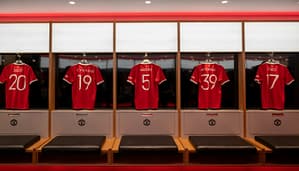
Casemiro’s Manchester United Exit: A Brutal Look at the Contract Saga and the Club’s Readiness to Replace Him
Despite Casemiro’s stunning resurgence at Manchester United in 2025/26, the club stands firm: no contract extension. He leaves this summer on a free. With wages soaring and age a factor, Ineos prioritizes the future—but are they truly prepared to fill his boots without repeating past blunders?
Casemiro’s impending departure from Manchester United capture the essence of club mismanagement and strategic foresight. Despite a remarkable resurgence in form this season, the Brazilian midfielder is set to leave Old Trafford when his contract expires in June 2026. This decision, confirmed by the club, raises pressing questions: Why won’t United reverse course? And more critically, are they prepared to replace a player of his caliber, or will history repeat itself with yet another transfer blunder? As we dive into this brutally honest analysis, we’ll uncover the facts, dissect the failures, and evaluate the club’s path forward in a league where excuses no longer cut it.
Casemiro’s Resurgence Under Carrick: A Swan Song of Excellence
Casemiro’s 2025/26 season has been nothing short of a redemption arc. At 33 years old—turning 34 in February—the five-time Champions League winner has rediscovered the tenacity that made him a Real Madrid legend. Under interim head coach Michael Carrick, who took over in January 2026, Casemiro has been pivotal in United’s unbeaten run, including stunning victories over Manchester City (2-0) and Arsenal (3-2). His stats tell the tale: 22 appearances, 5 goals, and a defensive masterclass that has stabilized a midfield long plagued by inconsistency.
Short, sharp bursts of brilliance define his play. Against Fulham in a recent 3-2 win, Casemiro’s interceptions and forward passes were instrumental, showcasing why he’s still earning rave reviews. Carrick’s tactical flexibility—often deploying Casemiro in a deeper role to shield the backline—has amplified his strengths, masking the mobility issues that dogged him in previous campaigns. Yet, this form hasn’t swayed the board. Brutally honest: It’s a testament to Casemiro’s professionalism, but also a damning indictment of prior mismanagement that allowed his talents to wane under Ruben Amorim.
Fans have lauded his “playing out of his skin” performances, but the cold reality is that this is likely his farewell tour. With 146 appearances, 21 goals, and trophies like the FA Cup and Carabao Cup under his belt since joining in 2022, Casemiro leaves as a cult hero. But the question lingers: Is this peak too late to salvage his stay?
The Inevitable Departure: Unpacking the Contract Details
Casemiro’s contract, signed upon his £60-70 million arrival from Real Madrid in August 2022, was a four-year deal with an optional one-year extension. That option, which could have kept him until 2027, included a clause for automatic activation if he started 35 matches this season. However, Manchester United confirmed in January 2026 that they would not trigger it, allowing the deal to expire in June.
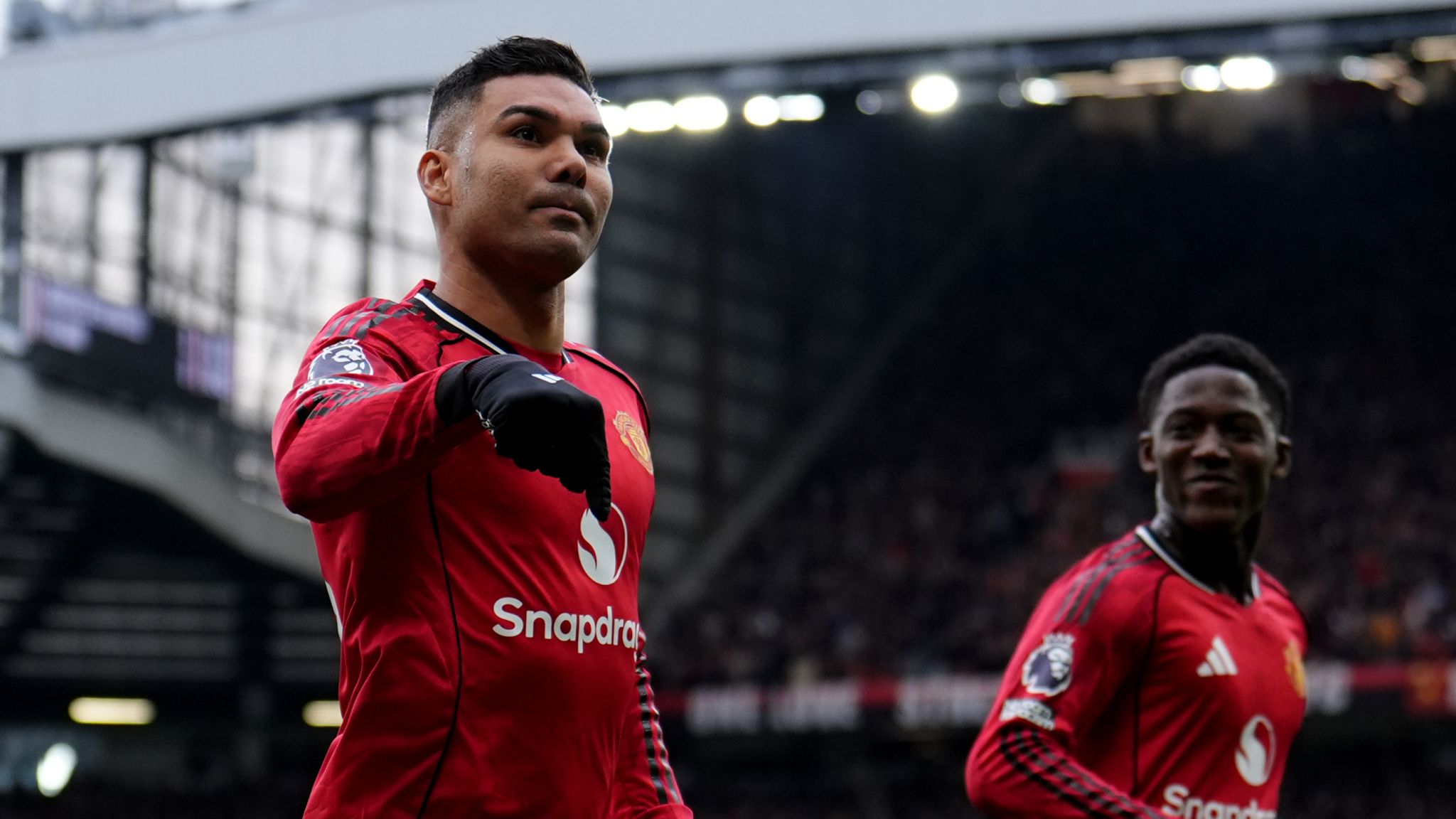
This isn’t a snap decision. Reports indicate the club planned this well in advance, part of a broader squad overhaul under co-owner Sir Jim Ratcliffe and Ineos. Despite Casemiro’s strong form—evident in his contributions to United’s climb to fourth place—the announcement came with a poignant goodbye video, signaling no reversal. He’s set to depart on a free transfer, potentially to MLS or Saudi Arabia, where interest has simmered.
Brutally factual: This move frees up massive wages—estimated at £300,000 per week, one of the club’s highest. Over four years, Casemiro has cost United around £119 million in fees and salary, a figure that’s been scrutinized as emblematic of post-Ferguson extravagance. Ratcliffe himself highlighted these wages as unsustainable, emphasizing long-term planning over short-term sentiment.
Why No U-Turn? Age, Wages, and Strategic Shifts
Manchester United’s refusal to budge on Casemiro stems from a mix of pragmatism and hard lessons. Age is the elephant in the room: At 34, his peak years are behind him, and mobility concerns persist despite current form. The club views him as a stopgap, not a foundation for the future, especially with a midfield rebuild on the horizon.
Wages play a starring role. Earning £300,000 weekly in some estimates, Casemiro’s salary burdens a club aiming to trim its wage bill. Ineos, under Ratcliffe, has prioritized financial sustainability, ditching high-earners like Harry Maguire, who may follow suit. This isn’t sentimentality; it’s business. As one source put it, “There is no going back.”
Strategically, United are forward-planning. Carrick’s success has bought time, but the midfield lacks depth. Casemiro’s exit aligns with pursuing younger, dynamic profiles to complement stars like Bruno Fernandes. Honest assessment: Keeping him would repeat past errors—clinging to aging stars while ignoring systemic issues. Ratcliffe was right; Casemiro’s value, while evident now, doesn’t justify the cost long-term.
Past Transfer Blunders: A Decade of Waste and Missed Opportunities
Manchester United’s history is littered with transfer disasters, making Casemiro’s signing itself a cautionary tale. Bought at 30 for £60 million on mammoth wages, he epitomizes the Glazer era’s folly: Overpaying for past-their-prime names. But he’s not alone. Paul Pogba’s £89 million return yielded flashes of genius amid inconsistency, ending in a free exit. Alexis Sanchez’s wage-busting deal flopped spectacularly, costing £400,000 per week for minimal output.
Recent blunders sting harder. Manuel Ugarte, signed for £42 million in 2024, has been a disaster—conceding 24 goals in his minutes played, prompting sale talks. Rasmus Hojlund’s £70 million fee ignored data “red flags,” highlighting flawed recruitment. Antony, Donny van de Beek, and Mason Mount join the list of overpriced underperformers.
Missed opportunities compound the pain. United passed on Erling Haaland, Jude Bellingham, Declan Rice, and Harry Kane, opting for cheaper or riskier alternatives. Sir Alex Ferguson’s era had flops like Eric Djemba-Djemba, but post-2013, it’s systemic: £776 million spent since 2019/20 with little silverware. Brutal truth: These errors have left United chasing shadows, and repeating them with Casemiro’s replacement could be catastrophic. Why? the club knew Casemiro would soon be past his prime but never brought a young defensive midfielder to pair him and eventually take over after his departure. Casemiro will leave and the replacement done will take time to ‘get’ in to the system. The board failed and time will prove this.
Potential Replacements: Scouting the Next Midfield Anchor
United’s shortlist for Casemiro’s successor focuses on Premier League-proven talent, a shift from Ugarte’s foreign flop. Top target: Elliot Anderson from Nottingham Forest, valued at £100 million-plus. The 23-year-old England international offers versatility, leadership, and progressive passing—ideal for Carrick’s system.
Adam Wharton (Crystal Palace) and Carlos Baleba (Brighton) follow, both around the same price as Anderson, bringing youth and ball-winning prowess. Joao Gomes (Wolves) is a cheaper £34 million option, but his profile echoes Ugarte’s risks. Free agent Leon Goretzka from Bayern Munich adds experience without fees, though at 30, he risks repeating age-related pitfalls.
Other names like Ruben Neves, Ederson, and Angelo Stiller surface, but United plan “very big” signings—potentially two midfielders for £190 million. Sandro Tonali from Newcastle, at £100 million, has been urged as a “brilliant” fit. Honest evaluation: Anderson or Wharton could thrive, but overpaying for unproven hype (à la Antony) looms as a threat. Ineos must prioritize data-driven decisions to avoid blunders.
Is Manchester United Ready? A Squad Depth Reality Check
Current midfield options are thin. Bruno Fernandes (31) remains the creative hub, but at his age, he needs support. Ugarte’s struggles mean he’s likely out, leaving Mason Mount (27) and Kobbie Mainoo (20) as key pieces. Mainoo, once a prodigy, once out of favor from previous era has potential. Youth like Jack and Tyler Fletcher add promise, but they’re untested.
Carrick’s unbeaten streak—three wins, averaging 3.00 points per match—masks vulnerabilities. United sit fourth, but without European football, squad rotation is limited. Defensively solid under Carrick, but midfield imbalance persists. Brutal honesty: No, they’re not fully ready. Relying on academy kids or underperformers risks regression. A summer splurge is essential, but execution is key—past failures like ignoring defense last summer prove costly.
The Bigger Picture: Ineos’ Overhaul and Lessons Learned
Ineos’ regime signals change. Prioritizing PL experience post-Ugarte fiasco shows learning. Carrick’s interim success—beating elite managers like Guardiola and Arteta—buys time, but permanence isn’t guaranteed. The club eyes a full rebuild, potentially including Maguire’s exit yet little to no plans exist for his replacement.
Factual outlook: Casemiro’s departure is a necessary purge, but success hinges on avoiding repeats of £400 million in errors. With a £200 million budget for midfield, United could rise, but skepticism abounds given history.
Time for Ruthless Progress or Familiar Regret?
Casemiro’s exit, despite his form, is a calculated risk rooted in fiscal prudence and future vision. Yet, as United stare down another transfer window, the ghosts of blunders past loom large. Will they secure Anderson or Wharton without overpaying? Or repeat the cycle of waste? Brutally honest: Readiness is questionable, but under Carrick and Ineos, there’s cautious optimism. The Premier League waits for no one—United must act decisively or face more years in the wilderness.