Dangerous Hype: It’s Still Too Soon for Carrick as Permanent United Manager 2026
Michael Carrick has made a dream start as Manchester United’s interim head coach, securing impressive victories over Manchester City and Arsenal to lift the team into the top four. Yet, despite the buzz and calls for permanence, it’s far too early to hand him the full-time role.
Michael Carrick’s appointment as interim head coach at Manchester United has ignited optimism, particularly after successive wins against Manchester City and Arsenal. These triumphs have lifted United into fourth place in the Premier League. However, the debate over granting him the permanent position demands caution. At this stage, it’s premature to commit, given the limited evidence and historical precedents.
Carrick was appointed on January 13, 2026, following Ruben Amorim’s departure on January 5, 2026. Amorim had been in charge since November 2024, overseeing 63 games with a 31.9% win rate before his exit. This marks the first managerial shift in the 2025-26 season, a campaign already marred by underperformance. As a United legend with 464 appearances, five Premier League titles, and a Champions League trophy, Carrick’s playing legacy is stellar. Yet, his coaching credentials require deeper scrutiny. His interim tenure is set to run until the season’s end, providing time for evaluation.
Carrick’s Managerial Path: From Player to Coach
Carrick’s coaching journey started at United post-retirement in 2018. He served under Jose Mourinho, Ole Gunnar Solskjaer, and Ralf Rangnick. In November 2021, he acted as caretaker for three matches: a 2-0 Champions League win over Villarreal, a 1-1 draw with Chelsea, and a 3-2 victory against Arsenal. These results offered glimpses of promise but were insufficient for a full-time role.
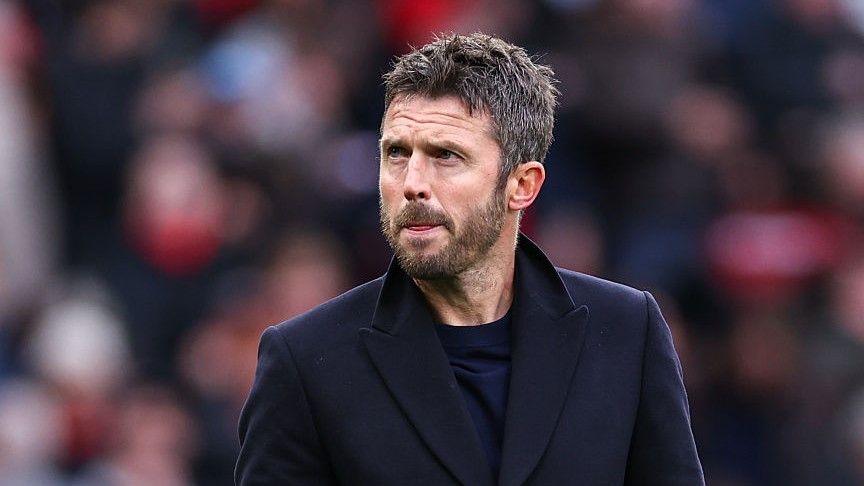
In October 2022, Carrick assumed his first permanent managerial position at Middlesbrough, inheriting a side in 21st place in the Championship. He orchestrated a remarkable revival, securing 40 points in his first 17 games and guiding them to fourth place and the playoffs by season’s end. They lost in the semi-finals to Coventry City on penalties.
The following seasons revealed challenges. In 2023-24, Middlesbrough finished eighth, missing the playoffs despite an EFL Cup semi-final run, where they suffered a heavy defeat to Chelsea. The 2024-25 campaign was inconsistent, leading to Carrick’s dismissal in June 2025. Across 136 games at Boro, he averaged 1.57 points per game, translating to a win rate of approximately 46%. His style emphasized possession in a 4-2-3-1 formation, yielding entertaining football but exposing defensive vulnerabilities.
This track record highlights Carrick’s knack for quick turnarounds but questions his ability to sustain success. At United, his early impact echoes his Boro beginnings, but patterns of eventual stagnation warrant hesitation.
The Honeymoon Phase: Analyzing Recent Wins
Carrick’s second United stint began impressively. His debut on January 17, 2026, was a Manchester derby, resulting in a 2-0 win over City at Old Trafford. Goals from Bryan Mbeumo (65′) and Patrick Dorgu (76′) secured the points, despite United holding just 31.8% possession and facing seven shots from City. United registered 11 shots, seven on target, showcasing clinical finishing.
Eight days later, on January 25, United triumphed 3-2 at Arsenal’s Emirates Stadium. They trailed after Lisandro Martinez’s own goal (29′) but equalized via Mbeumo (37′). Dorgu struck a 25-yard stunner (50′), only for Mikel Merino to level (84′). Matheus Cunha’s 30-yard curler (87′) clinched victory. Stats showed Arsenal with 56.1% possession, 15 shots (four on target), and nine corners; United had 10 shots (three on target) and two corners.
These results propelled United to fourth place with 38 points, entering Champions League spots. Tactically, Carrick implemented a back-four, focusing on control and transitions, revitalizing players like Dorgu and Cunha. Club icons like Solskjaer have offered guidance, with Carrick appreciating the support.
Contextualizing these wins is crucial. City and Arsenal, though elite, showed vulnerabilities—City’s title defense faltering, Arsenal’s lead narrowing to four points. Carrick’s unbeaten run now spans five games against top coaches like Emery, Tuchel, Guardiola, and Arteta (twice). Betting odds for his permanent appointment have shortened to 6/4. Yet, sentiment drives odds; two games offer scant proof.
Middlesbrough Tenure: Successes and Shortcomings
Carrick’s Middlesbrough era provides the richest insight. Starting mid-2022-23, he transformed a relegation candidate into playoff contenders, emphasizing fluid, possession-oriented play. They scored prolifically, topping attacking metrics in some categories.
In 2023-24, goals flowed, but defensive issues persisted, resulting in an eighth-place finish. Critics noted a lack of adaptability against low blocks or when chasing games. The 2024-25 season brought mixed results, with no promotion push, culminating in his June 2025 sacking. Players respected him, but outcomes dictated change.
Championship experience honed his skills, but failing to secure promotion at a club with ambitions raises concerns about Premier League demands. This initial surge followed by plateau mirrors potential risks at United.
Historical Precedents: The Trap of Interim Glory
Football abounds with interim managers who dazzled briefly but struggled long-term. Ole Gunnar Solskjaer, Carrick’s former boss, won 14 of 19 games as caretaker in 2018-19, earning permanence. Early highs faded into inconsistency, leading to his 2021 dismissal.
Tim Sherwood at Tottenham (2013-14) and Ryan Giggs at United (2014) enjoyed short honeymoons but were soon replaced. Roy Keane has dismissed Carrick’s permanent prospects, stating even a flawless run wouldn’t guarantee titles. Gary Neville favors proven names over Carrick.
The “new manager bounce” often explains early success—renewed player motivation rather than tactical mastery. Carrick’s form aligns with this phenomenon.
Tactical Analysis: Strengths and Potential Weaknesses
Carrick favors a 4-2-3-1, prioritizing possession and creativity. At Boro, this setup dominated 112 of 124 Championship games. At United, he’s instilled balance, exploiting spaces and defending resiliently, as seen in the Arsenal game’s late heroics.
Analyses praise his blueprint: Structured build-up and quick counters. It evokes a “return to United’s identity.” However, rigidity surfaced at Boro—no effective Plan B against compact defenses. Premier League variety could expose this; United’s injury-prone squad needs flexibility. Carrick’s commitment to his style is bold but hazardous.
Club Context: Ineos Era and Long-Term Needs
Under Ineos, United’s structure prioritizes a “head coach” model, with sporting director Jason Wilcox overseeing operations. Carrick aligns as a club man, but lacks the pedigree of targets like Thomas Tuchel or Carlo Ancelotti.
The goal is Champions League qualification. Achieving it could bolster Carrick’s case, per journalist David Ornstein. Initially, United eyed external hires, positioning Carrick as a bridge. Hastening a decision risks echoing Solskjaer’s fate.
Fan opinions vary. Some on X laud his impact, likening Dorgu to stars under great managers. Others praise his “cooking.” Pundits like Wayne Rooney advocate patience.
Why It’s Premature: The Need for Sustained Evidence
Appointing Carrick permanently now overlooks remaining fixtures, injuries, and European ties. His Boro tenure showed early promise waning under pressure. United’s glare amplifies this.
Interims seldom endure long-term. Even perfection, as Keane notes, doesn’t assure championships. United crave a proven victor, not nostalgia.
Fabrizio Romano affirms the interim setup, with decisions deferred. Extended assessment ensures informed choice.
Time Will Tell, But Caution Prevails
Carrick has infused energy into United, with early wins signaling capability. His background, tactics, and affinity are strengths. Yet, Boro’s unmet ambitions and interim pitfalls demand vigilance. It’s too early for permanence; sustained performance is essential for United’s revival. Savor the momentum, but temper expectations—the path ahead is long.