Sir Jim Ratcliffe’s Immigration Controversy: Exposing Manchester United’s Fall from Football Glory to Political Chaos
Sir Jim Ratcliffe’s explosive claim that the UK has been “colonised by immigrants” has ignited fury from PM Keir Starmer, fans, and anti-racism groups—while Manchester United distances itself amid ongoing on-pitch struggles.
Sir Jim Ratcliffe’s recent comments on immigration have ignited a firestorm. As co-owner of Manchester United, Ratcliffe’s words about the UK being “colonised by immigrants” have drawn sharp condemnation from political leaders, fans, and anti-discrimination groups. This isn’t just a personal misstep—it’s another clear symptom of deeper issues at Old Trafford. Under Ratcliffe and the lingering shadow of the Glazers, the club has shifted from footballing powerhouse to a commercial machine entangled in political drama. We dive deep into the facts, analyzing how greed, poor decisions, and distractions are plummeting Manchester United into chaos.
The Ignition: Ratcliffe’s Divisive Immigration Remarks
Sir Jim Ratcliffe, the billionaire founder of INEOS and Manchester United’s minority owner, made headlines during a Sky News interview. He claimed the UK had been “colonised by immigrants,” linking it to economic strain. “The UK has been colonised. It’s costing too much money,” he stated, citing flawed statistics: a population jump from 58 million in 2020 to 70 million today. Official figures show it’s closer to 67 million.
Jim Ratcliffe tied this to welfare, saying, “You can’t have an economy with nine million people on benefits and huge levels of immigrants coming in.” These remarks echoed far-right narratives, sparking immediate outrage. As a tax exile living in Monaco—saving an estimated £4 billion in taxes—his comments smacked of hypocrisy. Critics pointed out the irony: a man avoiding UK taxes lecturing on public finances.
This wasn’t Jim Ratcliffe’s first foray into politics. He’s previously praised Nigel Farage and criticized environmental policies. But this outburst crossed a line, blending his personal views with his role at one of football’s most diverse clubs.
The Backlash: A United Front Against Division
The response was swift and severe. Prime Minister Keir Starmer branded the comments “offensive and wrong,” demanding an apology. “Britain is a proud, tolerant and diverse country,” he posted on X, highlighting how such language fuels division. Justice Minister Jake Richards called Jim Ratcliffe hypocritical, noting his Monaco residency while decrying immigration costs.
Football anti-discrimination charity Kick It Out slammed the remarks as “disgraceful,” stating they have “no place in English football.” Manchester United fans, already frustrated with on-field woes, piled on. Groups like the Manchester United Supporters’ Trust (MUST) condemned the language, arguing it alienates the club’s global, multicultural fanbase.
Even Manchester United distanced itself, issuing a statement reaffirming commitment to “integration and inclusivity.” The Football Association (FA) is examining the comments for potential breaches. This backlash isn’t isolated—it’s amplified by Jim Ratcliffe’s high-profile status, turning a personal rant into a club crisis.
Ratcliffe’s Apology: Damage Control or Deflection?
Facing mounting pressure, Ratcliffe issued an apology. “I am sorry that my choice of language has offended some people in the UK and Europe,” he said, adding it was “important to raise the issue of controlled and well-managed immigration.” He stood by his core message but regretted the wording.
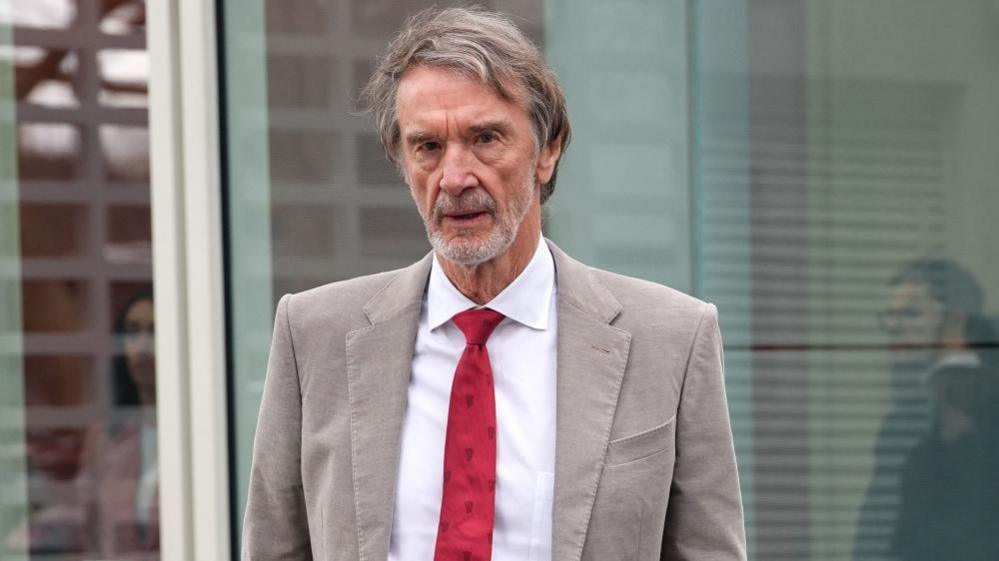
Critics called it a non-apology—too vague and defensive. Starmer’s team welcomed it but emphasized the harm already done. Fans on X labeled it “too little, too late,” with posts accusing Ratcliffe of echoing far-right tropes. This episode exposes Ratcliffe’s disconnect: a billionaire meddling in politics while his club crumbles.
Honestly? Ratcliffe’s words weren’t just clumsy; they were reckless. In a diverse sport like football, owners must prioritize unity over divisive rhetoric. This apology feels like PR spin, not genuine remorse.
Ratcliffe’s Manchester United Takeover: High Hopes, Harsh Realities
When Jim Ratcliffe acquired a 25% stake in Manchester United in late 2023, fans rejoiced. He promised to restore glory, taking control of football operations from the Glazers. “We’ll put the Manchester back in Manchester United,” he declared. With his INEOS track record in sports like cycling and sailing, expectations soared.
Two years on, the rebuild is in tatters. United finished 15th in the 2024-25 Premier League season—their worst ever. Revenue hit a record £666.5 million, but losses reached £33 million due to inflated transfers and wages. Ratcliffe admitted “cock-ups” from his other clubs like Nice and Lausanne, vowing to learn. Yet, errors persist.
The club is a shadow of its Ferguson-era self, mired in mediocrity. Jim Ratcliffe’s focus on politics distracts from urgent fixes, like squad overhauls and infrastructure. He’s just another merchant chasing profits as primary business, football is just secondary.
Managerial Mayhem: From Ten Hag to Amorim’s Quick Exit
Jim Ratcliffe’s first big blunder? Extending Erik Ten Hag’s contract after the 2024 FA Cup win, despite poor league form. He later called it an “error.” Ten Hag was sacked mid-season, followed by Ruben Amorim’s appointment—and swift dismissal after just months.
Amorim challenged the board, exposing tensions. Interim boss Michael Carrick has steadied the ship temporarily, but no permanent fix looms. Ratcliffe promised three years for Amorim; it lasted three months.
This carousel of managers—10 post-Ferguson—highlights instability. Each sacking costs millions in payouts and rebuilds that never materialize draining resources. Fans chant for change, but Ratcliffe’s decisions fuel the fire.
Transfer Blunders: Overspending Without Solutions
Summer 2024 saw £225 million spent, yet key gaps remain. No top midfielder was signed, leaving the engine room exposed. Goalkeeper choices prioritized youth over proven talent, like Senne Lammens over Emi Martinez.
Flops abound: expensive signings underperform, wages balloon. Ratcliffe’s “financial discipline” rings hollow amid £200 million+ outlays without results. Critics argue the strategy favors commercial appeal over footballing fit.
Honest assessment: These failures aren’t bad luck; they’re systemic. Ratcliffe’s INEOS promised efficiency, but delivered disarray. The Glazer-INEOS ownership is proving to be a terrible mess.
The Glazers’ Greedy Legacy: Debt and Decay
The root of United’s woes? The Glazers’ 2005 leveraged buyout, saddling the club with over £500 million in debt. They’ve extracted billions in dividends while Old Trafford rots—leaky roofs, outdated facilities.
Commercial genius Ed Woodward turned United into a sponsorship juggernaut, but at what cost? Every asset became ad space, prioritizing profits over pitches. On-field success waned post-Ferguson, with no Premier League title since 2013.
Fans protested in 2005, but toxicity lingers. The Glazers’ model: milk the brand, ignore the team. Ratcliffe’s partial takeover hasn’t erased this—Glazers still hold majority control, blocking full reform but Jim can’t fix this.
Commercial Dominance Slipping: Rivals Catch Up
United once led in revenue, but now rivals eclipse them. The Glazers voiced concerns at recent meetings about declining commercial performance. Poor results jeopardize sponsorships—brands want winners.
Cost-cutting under Ratcliffe—250 redundancies, ending Ferguson’s ambassadorship—saved pennies but eroded morale. Staff diverted to Glazer family needs; players signed for marketability.
Factual truth: Commercial success masked decay. Now, with on-field failure, the house of cards wobbles. United’s global brand is tarnished by greed.
Political Entanglements: Owners Overstepping Boundaries
Ratcliffe’s immigration rant exemplifies owners meddling in politics. Football should unite, not divide. His comments alienate diverse players and fans—United’s squad boasts immigrants and descendants.
This plunges the club into chaos, distracting from rebuild. Glazers focused on commerce; Ratcliffe adds politics. Consequences? Boycotts, protests, lost goodwill.
Analytical view: Every decision has repercussions. Ratcliffe’s words cost reputation; the club pays in fan trust and focus.
Broader Implications: A Club in Freefall
Manchester United’s fall exposes modern football’s ills: billionaire owners prioritizing egos over excellence. From debt-laden takeovers to political distractions, the club suffers.
Fans demand accountability. Ratcliffe promised to step down if he fails. With United languishing, that day nears. The immigration controversy amplifies failures, turning Old Trafford into a battleground.
Conclusion: Time to Refocus or Risk Ruin
Sir Jim Ratcliffe’s immigration backlash is more than a gaffe—it’s a mirror to Manchester United’s decline. From Glazer greed to Ratcliffe’s blunders, the club has traded glory for commerce and chaos. Fans deserve better: a rebuild centered on football, not politics.
To salvage this, Ratcliffe must apologize fully, refocus on the pitch, and challenge Glazer remnants. Otherwise, United’s fall continues. The Red Devils can rise, but only with honest, football-first leadership. The question remains when will Manchester United rise?