Is Julian Nagelsmann the Answer for Manchester United’s Revival?
Manchester United chase Julian Nagelsmann as Christopher Vivell pushes hard—but history screams the truth: managers come and go, yet flawed ownership keeps the giant in decline. Real change starts at the top.
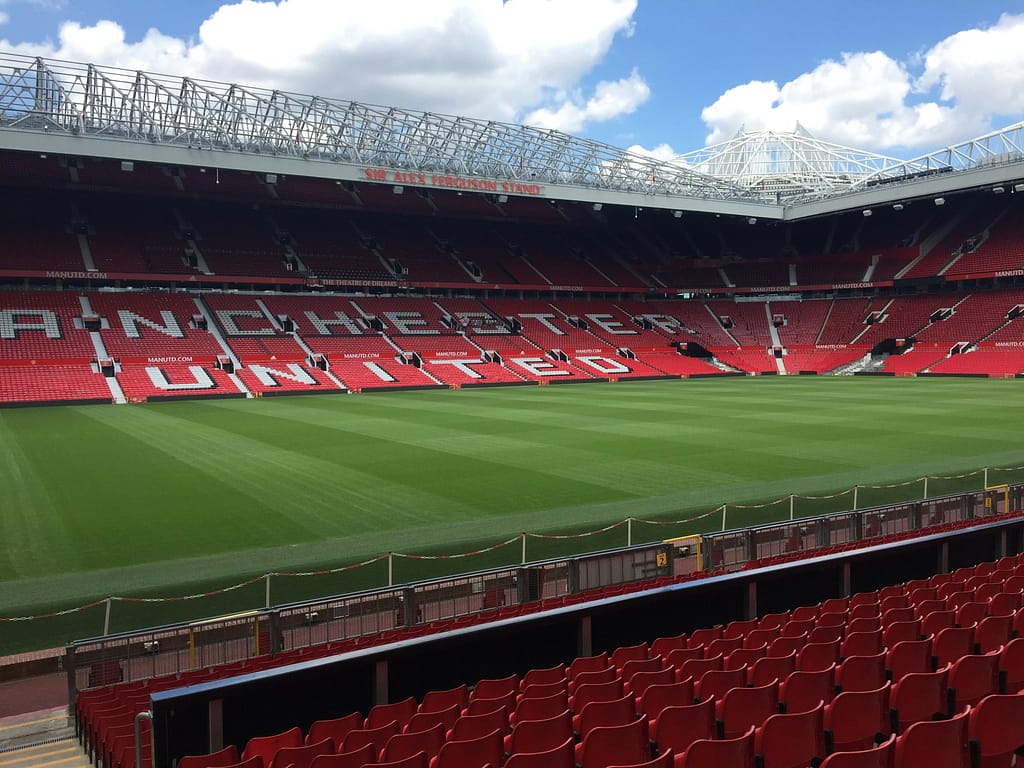
Manchester United’s managerial saga has continued to to captivate fans and pundits alike. With interim boss Michael Carrick steadying the ship after Ruben Amorim’s disastrous tenure, eyes are turning to potential permanent appointments. Among the names swirling, Julian Nagelsmann stands out. The German tactician, currently leading his national team, has been linked to Old Trafford amid reports of internal advocacy. But as history shows, a new manager might only paper over deeper cracks at a club plagued by ownership issues and a lack of coherent philosophy.
We dive into the rumors, analyzes the club’s systemic problems, and explores why true change remains elusive. From commercial triumphs masking on-field failures to recent political controversies, Manchester United’s story is one of unlearned lessons and denial.
You can also get also your manchester united jersey for 2026/27 by just clicking the link.
Julian Nagelsmann to Old Trafford: Rumors or Reality?
Speculation about Julian Nagelsmann joining Manchester United has intensified in early 2026. Reports indicate the 38-year-old Germany manager is keen on the role, viewing it as an “attractive proposition” post-World Cup. His contract with the German national team runs until 2028, but a clause could allow an early exit depending on tournament performance.
Nagelsmann’s tactical acumen, honed at clubs like RB Leipzig and Bayern Munich, makes him a compelling fit. He’s been praised as a “genius” by experts, blending high-pressing football with youth development. United’s poor form which has made them drop points in winnable games demands a fresh approach. Yet, availability remains a hurdle; Nagelsmann’s focus is on the upcoming World Cup, and any move would likely wait until summer.
Fans are split. Some see him as the modern visionary United needs, while others worry about adapting his style to the Premier League’s intensity. Initial contacts have reportedly been made, signaling serious interest. But with alternatives like Luis Enrique potentially extending at PSG, Nagelsmann tops the shortlist.
Christopher Vivell’s Role: The Key Advocate for Nagelsmann
Christopher Vivell, Manchester United’s director of recruitment. Appointed full-time in February 2025 after an interim stint, has emerged as a pivotal figure in the club’s rebuild. His prior collaboration with Nagelsmann at RB Leipzig fuels the push; sources confirm Vivell is “actively advocating” for the German coach.
Vivell’s mandate extends beyond scouting. He’s central to the head coach search, stepping up involvement in player acquisitions and strategy. This influence stems from his track record at Chelsea and Leipzig, where he excelled in talent identification. At Manchester United, he’s already reshaping recruitment, focusing on data-driven decisions amid financial constraints.
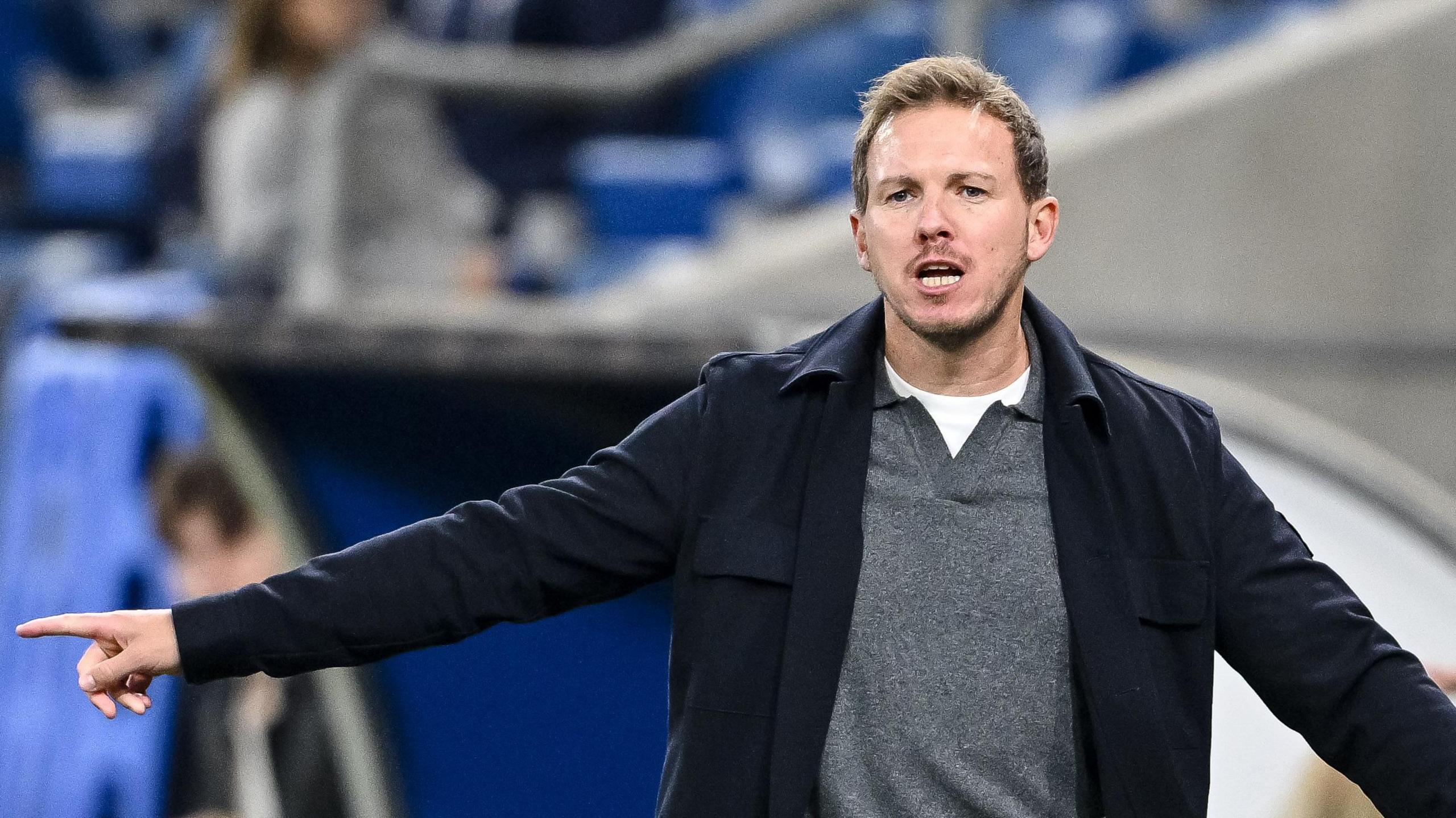
Critics question if Vivell’s bias toward familiar faces risks repeating past errors. Yet, his admiration for Nagelsmann—rooted in shared success—could align with Manchester United’s need for a philosophical reset. If the deal materializes, it would underscore Vivell’s growing power under INEOS.
The Post-Ferguson Managerial Merry-Go-Round: Coaches as Scapegoats
Since Sir Alex Ferguson’s 2013 retirement, Manchester United has cycled through 10 managers, including interims. None have restored the club’s dominance, with no Premier League titles and only sporadic cup wins.
Jose Mourinho boasts the highest win percentage at 58.33% over 144 games, securing a Europa League and League Cup. Ole Gunnar Solskjaer followed with 54.17%, reaching a Europa League final but faltering in semis. Erik Ten Hag and Louis van Gaal hovered around 52-56%, while Ruben Amorim’s 38.1% marked a low, culminating in a 15th-place finish.
David Moyes’ brief stint (50.98%) set a tone of instability. Ralf Rangnick’s interim role exposed deeper issues, labeling the club as needing “open-heart surgery.” Patterns emerge: initial promise, then collapse under squad inconsistencies and board meddling.
Brutally, managers aren’t the problem. They’ve operated in a vacuum without a unified philosophy, hampered by erratic recruitment and outdated infrastructure. Ferguson’s era masked flaws; post-2013 exposes them.
Glazers to Ratcliffe: Ownership’s Turbulent Legacy
The Glazer family’s 2005 leveraged buyout saddled United with over £500m in debt, sparking fan fury. They’ve extracted over £1bn in dividends while the club stagnated, prioritizing profits over pitches.
Sir Jim Ratcliffe came in 2024, acquiring 25% (now 28.9%) for £1.3bn, gaining sporting control. Glazers retain commercial oversight and majority voting via Class B shares. A “drag-along” clause, active since August 2025, allows Glazers to force a full sale, with Ratcliffe able to match bids.
Ratcliffe promised revival, but early results disappoint. Cost-cutting and redundancies reflect INEOS’s efficiency drive, yet on-field woes persist. Ownership remains fractured, with Glazers’ absenteeism clashing with Ratcliffe’s hands-on approach.
This hybrid model exemplifies denial: partial change without addressing root greed. Fans protest, but the structure endures, perpetuating mediocrity.
From Football Giant to Commercial Juggernaut: A Hollow Evolution
Once Europe’s apex predator, United now thrives off-field while floundering on it. Record 2024-25 revenue of £666.5m—despite 15th place and no Champions League—highlights this disconnect.
Commercial income hit £333.3m, buoyed by deals like Snapdragon’s shirt sponsorship. Matchday revenue reached £160.3m, an English record. Yet, broadcasting dipped £48.8m without Europe.
Rivals like Manchester City and Liverpool have overtaken in commercial growth, expanding 20-30% while United’s rose just 10% over six years. The brand’s global allure—rooted in history—sustains profits, but without on-pitch success, it’s unsustainable.
Analytically, this shift from football philosophy to commercial entity erodes identity. Ferguson’s “football first” ethos is gone; now, it’s revenue over results. Sponsors flock, but fans suffer.
Ratcliffe’s Immigrant Remarks: A Political Storm Shaking the Club
In February 2026, Ratcliffe ignited controversy by claiming the UK is “colonised by immigrants,” citing outdated figures on benefits and population. Backlash was swift: Prime Minister Keir Starmer called it “offensive and wrong,” demanding an apology.
Ratcliffe, Monaco-based, apologized for his “choice of language” but defended discussing “controlled immigration.” Critics labeled it hypocritical and far-right rhetoric, clashing with Manchester’s immigrant-enriched history and United’s diverse fanbase.
The FA is investigating for disrepute. Sponsors voiced concerns, fans protested, and internal morale dipped. This crisis underscores ownership’s detachment, alienating stakeholders in a club once a unity symbol.
Predictably, it exacerbates instability. Ratcliffe’s words risk sponsor pullouts and fan boycotts, mirroring past ownership blunders.
Unlearned Lessons: A Cycle of Denial and Repeated Mistakes
United’s history is a litany of errors: poor recruitment, infrastructure neglect, and ignoring fan voices. Post-Ferguson, £1bn+ spent on players yielded little; signings like Antony flopped amid no overarching strategy.
Ownership denial persists. Glazers ignored debt protests; Ratcliffe’s reforms—hiring Berrada and Wilcox haven’t yet translated to success. Recent redundancies prioritized costs over culture.
The Ratcliffe controversy echoes this: dismissing backlash as overreaction, not addressing root sensitivities. Past crises, like the Super League fiasco, showed similar hubris.
Factually, without learning, decline continues. Rivals are invest holistically; Manchester United are chasing quick fixes. Prediction: without radical shift, mid-table obscurity awaits.
Why Change Must Begin at the Ownership Level: A Call for Revolution
Ultimately, managers like Nagelsmann can’t fix what’s broken at the top. Ownership must instill a philosophy—football-first, fan-centric, debt-free.
Ratcliffe’s stake offers hope, but Glazers’ grip stifles. A full sale or unified vision is essential. Invest in stadium, academy, sustainable recruitment.
Fans deserve better than commercial success amid sporting failure. Denial ends here: ownership, evolve or exit. Manchester United’s future hangs in the balance.