Manchester United’s Heartbreaking Tribute to Stone Roses Legend Mani: What This Reveals About the Club’s Eternal Cultural Soul
When ‘This Is the One’ blasts at Old Trafford, it’s Mani’s bass that still shakes the Stretford End. On monday Manchester United mourns one of its own – a Red in his very DNA.
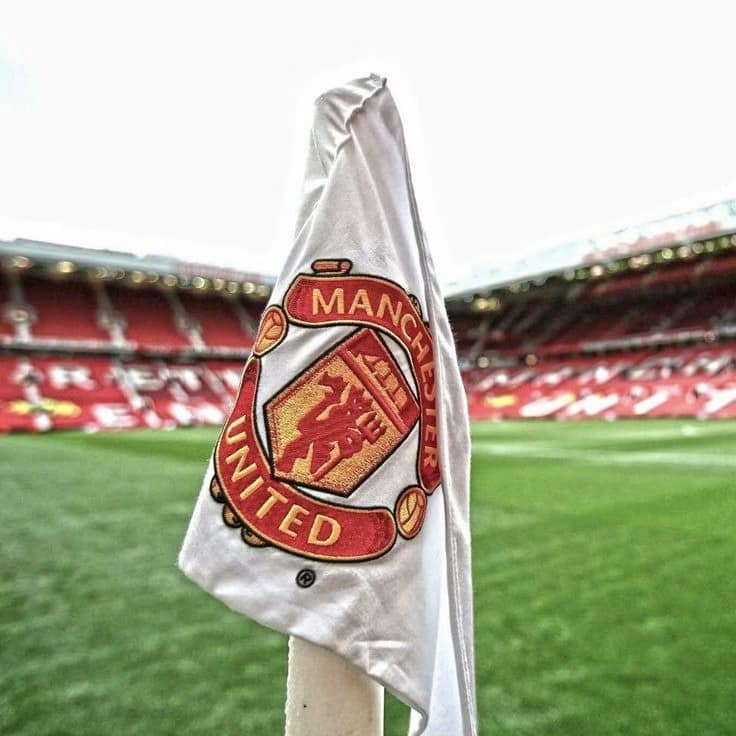
In the heart of Manchester, where the roar of Old Trafford echoes like a bassline through the city’s veins, football and music have long intertwined to form an unbreakable bond. On November 20, 2025, this symbiosis was laid bare in the most poignant way possible. Gary “Mani” Mounfield, the legendary bassist of The Stone Roses, passed away at the age of 63 following a collapse at his home in Heaton Moor, Stockport. Just hours later, Manchester United issued a heartfelt tribute, calling him “a Manchester music icon and a passionate, lifelong Red.” This wasn’t mere formality; it was a ritual of remembrance, underscoring Mani’s deep-rooted place in the club’s soul. As the Red Devils prepare for their next home fixture against Everton on November 24, whispers of a special on-pitch homage—perhaps a minute’s silence under the floodlights or a resonant performance of “This Is the One”—circulate among fans, amplifying the emotional weight of the moment.
Mani’s demise, coming just two years after his wife Imelda’s battle with stage four bowel cancer ended in November 2023, leaves twin sons Gene and George, aged 12, as poignant reminders of his enduring legacy. But beyond personal tragedy, this tribute reveals Manchester United’s cultural DNA: a club that doesn’t just play football but embodies the gritty, defiant spirit of its hometown. In honoring Mani, United isn’t mourning a musician; it’s celebrating the alchemy of Manchester’s identity—where working-class anthems fuel terrace chants, and local heroes bridge the pitch and the stage. This article delves into that connection, exploring how The Stone Roses shaped Manchester’s soul, why Mani embodied “United in his DNA,” and the broader role of football clubs in weaving community threads through cultural tapestries.
The Cultural Symbiosis: Manchester United and the Manchester Music Scene
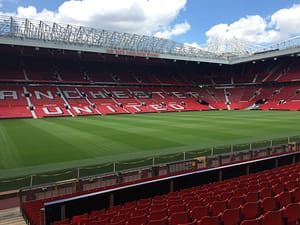
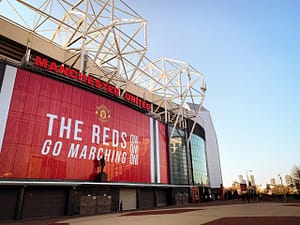
Manchester’s cultural heartbeat has always pulsed to a rhythm of reinvention. From the cotton mills of the Industrial Revolution to the acid-house haze of the late 1980s Madchester era, the city has birthed global phenomena that scream resilience. Football, embodied by Manchester United, stands as the unyielding anchor in this narrative. Old Trafford, the Theatre of Dreams, isn’t just a stadium; it’s a cathedral of collective memory, where 74,000 voices unite in defiance of economic slumps or on-field slumps. Yet, this sporting monolith doesn’t exist in isolation—it’s symbiotically linked to Manchester’s music scene, a partnership that amplifies both.
The Madchester movement, exploding in the late 1980s, fused indie rock with rave culture, turning warehouses and nightclubs like The Haçienda into crucibles of creativity. Bands like Happy Mondays, Inspiral Carpets, and The Stone Roses didn’t just make music; they soundtracked a city’s rebirth amid Thatcher-era decay. The Haçienda, co-owned by New Order, became a symbol of this fusion, where football hooligans mingled with ravers, blurring lines between terrace aggression and dancefloor euphoria. Manchester United, navigating its own post-Munich resurrection under Matt Busby, mirrored this: both were acts of cultural defiance, transforming tragedy into triumph.
This interplay is no accident. Manchester’s music scene, ranked second only to London’s in UK cultural influence, has long drawn from football’s raw energy. Oasis, with brothers Liam and Noel Gallagher as die-hard Manchester City fans, channeled sibling rivalry into Britpop anthems that echoed derbies’ intensity. But The Stone Roses, with their lemon-sliced swagger and psychedelic grooves, aligned more poetically with United’s flair. Their 1989 self-titled debut album, often hailed as the greatest British record ever, captured Manchester’s humid summer of 1989—a time when United were clawing back from Second Division obscurity under Alex Ferguson, much like the Roses were igniting a scene that would eclipse Liverpool’s Merseybeat legacy.
United’s embrace of this music isn’t superficial. Pre-match playlists at Old Trafford feature Roses tracks alongside Oasis and New Order, creating an auditory homecoming for fans. In 2024, adidas and United launched a limited-edition training kit collaboration with The Stone Roses, featuring grayscale album art and gold lettering—a nod to the band’s 1994 sleeve design. As Chief Commercial Officer James Holroyd noted, this “recognises our joint histories,” bridging generations of supporters. It’s a commercial masterstroke, but more profoundly, it’s cultural continuity: football as the canvas, music as the paint.
The Stone Roses: Architects of Manchester Identity, Fan Culture, and Old Trafford’s Pulse
If Manchester United is the city’s red heartbeat, The Stone Roses are its defiant riff. Formed in 1983 from the ashes of earlier outfits like The Fireside Chaps, the band—comprising Ian Brown on vocals, John Squire on guitar, Reni on drums, and Mani on bass—crystallized a Mancunian identity that was equal parts swagger and subversion. Their sound, blending jangly guitars with baggy trousers and MDMA-fueled euphoria, wasn’t just music; it was a manifesto for a post-industrial youth reclaiming their narrative.
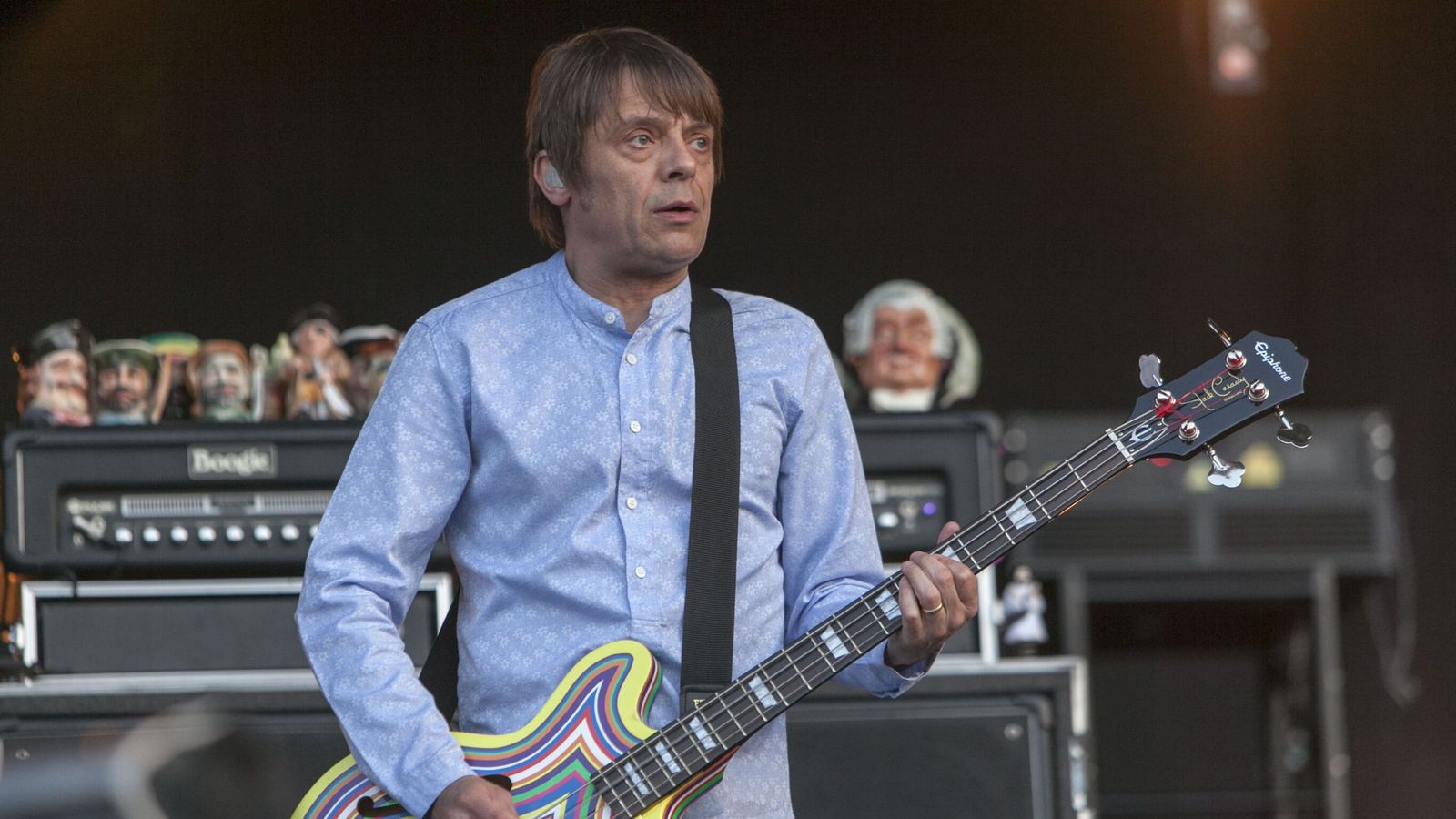
The Roses’ influence on Manchester identity is seismic. In a city scarred by factory closures and unemployment, their 1990 Spike Island gig—attended by 30,000 in a disused airfield—became a Woodstock for the working class, a declaration of cultural sovereignty. Songs like “I Wanna Be Adored” and “Waterfall” romanticized the ordinary, turning terraced streets into mythic landscapes. This resonated deeply with football fans, where identity is forged in shared struggle. United supporters, enduring the club’s 1974 relegation and the Munich ghosts, found parallels in the Roses’ legal battles with their label, Silvertone—a David vs. Goliath tale that mirrored Ferguson’s underdog rebuild.
Fan culture owes much to this alchemy. The Roses popularized “baggy” fashion—oversized shirts, flared jeans—that infiltrated terraces, blending with United’s red scarves for a visual rebellion against polished southern rivals. Chants evolved too: “This Is the One,” from the band’s 1995 album Second Coming, became United’s walkout anthem in 2005, chosen by captain Gary Neville to evoke “anticipation… something good imminent.” As Neville reflected, “Manchester has got a better band than Oasis. The Stone Roses had a massive impact on the city.” At Old Trafford, the track’s swelling bass—courtesy of Mani—heralds the teams’ emergence, transforming 74,000 souls into a singular, electric entity. It’s no coincidence: the song’s lyrics, yearning for adoration, echo the fans’ devotion, turning matchdays into communal rituals.
This fusion elevates Old Trafford’s atmosphere to mythic status. Unlike sterile modern arenas, the ground throbs with Mancunian authenticity—rain-slicked stands chanting Roses riffs amid pies and pints. The band’s reunion tours in 2012-2017 drew United players like Beckham and Neville, who cited the Roses as soundtrack to their Treble-winning 1999. In fan forums and X posts, supporters mourn Mani not as a distant star, but as “one of us,” a bridge between stage and Stretford End. As one fan tweeted post-tribute: “Next time Utd come out… it will hit a little different.”
Mani: The Bassist with ‘United in His DNA’
Mani wasn’t just a Stone Roses cog; he was the groove that held it together—writhing, relentless basslines that, as The Guardian‘s Alexis Petridis noted, “taught indie kids how to dance.” Born Gary Mounfield on November 16, 1962, in Crumpsall, North Manchester, his life was a bass note in the city’s symphony. Leaving school at 16 to chase music, he joined the Roses in 1987, crafting the low-end pulse of The Stone Roses and Second Coming. Post-1996 split, he anchored Primal Scream’s Screamadelica, blending rock with electronica until rejoining the Roses for their 2011 revival.
But Mani’s “United in his DNA” wasn’t hyperbole; it was heredity. His father, a club scene fixture, cooked for George Best, ingraining Red devotion from infancy. “It was pre-ordained… all my family are Reds—my dad is a nuts fan,” Mani once said. A lifelong Old Trafford attendee, he sold his prized scooter for 1999 Champions League final tickets in Barcelona—”infinitely worth it,” he quipped. In May 2025, he DJed United’s Europa League final fanzone in Bilbao, son Gene by his side.
This fusion of passions defined him. “I always wanted the Roses to be associated with United and the terraces,” he told Manchester United magazine. His basslines inspired chants; his banter bridged musicians and matchgoers. As United’s tribute stated: “The club was part of his DNA and he was proud to be Red.” In a 2024 interview, reflecting on his speaking tour (set for 2026-2027, now heartbreakingly postponed), Mani mused on growing up in North Manchester’s “ups and downs”—a microcosm of United’s own rollercoaster.
United’s Tradition: Honoring Icons as Cultural Stewards
Manchester United’s tribute to Mani fits seamlessly into a lineage of venerating cultural icons, reinforcing the club’s role as Manchester’s guardian. From the Munich Memorial unveiling in 1969 to the Sir Matt Busby statue in 1999, United immortalizes figures who transcend sport. But this extends to non-athletes: the 2011 collaboration with Peter Saville, whose Factory Records designs influenced Madchester aesthetics, or the 2023 Oasis-inspired away kit nods.
Mani joins this pantheon. His tribute—posted on X with a photo from the 2024 FA Cup final—echoes those for Tony Wilson (Haçienda founder, eulogized in 2007) or the Busby Babes. It’s deliberate: United’s Foundation runs music-therapy programs, blending Roses tracks with youth coaching to foster resilience. As Luke Bainbridge wrote in Manchester United matchday program, “Culture and football replaced cotton as the city’s greatest export.” By honoring Mani, United stewards this export, ensuring Madchester’s echo in every “Glory, Glory Man United.”
Echoes of Grief: Reactions from Players, Fans, Musicians, and Legends
Mani’s passing unleashed a torrent of tributes, a digital wake uniting Manchester’s tribes. United legend Gary Neville, who handpicked “This Is the One,” called it “legendary… Manchester United helps keep it alive every single week.” Current players echoed the club’s sentiments on X: “A true Red legend. RIP Mani.” Fans flooded socials; one X user lamented, “Devastating news… Loved by Reds and Blues,” transcending rivalries. “The outpouring of love is testament to an amazing human,” another wrote.
Musicians mourned a brother. Ian Brown posted a simple “REST IN PEACE MANi X,” while Liam Gallagher, Oasis frontman, declared: “In total shock… RIP R Kid.” Primal Scream’s Simone Butler: “The moment you met Mani you loved him… biggest heart.” Paul Weller: “A true one-off.” The Courteeners’ Liam Fray: “This is what true sadness feels like.” Even rivals: Johnny Marr (The Smiths) and Elbow hailed him a “hero.”
Club legends like Peter Hook (New Order/Joy Division) were speechless: “Words just fail me… RIP mate.” Mayor Andy Burnham, a Roses devotee, called him “a magnificent musician and Mancunian.” On X, fans suggested kit tributes for Monday’s game: “United should play in the Stone Roses kit… Legend.” This chorus, from terraces to stages, underscores Mani’s bridge-building legacy.
Beyond the Pitch: Football Clubs as Architects of Community Identity
Manchester United’s embrace of Mani exemplifies how football clubs fortify community identity by embedding local culture. Research from British Future shows 80% of matchgoers view their club as integral to local pride, fostering “bridging contact” across divides. In diverse Leicester, LCFC’s campaigns unite Hindus, Muslims, and Christians under shared Foxes fandom, reducing prejudice. Huddersfield Town and Brentford FC’s videos, inspired by such studies, boosted inclusive identity by 15-20% among fans.
United’s model amplifies this. Their Foundation’s music programs, echoing Roses riffs, engage 1.5 million youth annually in social cohesion initiatives. Globally, Barcelona’s Catalan symbolism or Celtic’s Irish roots show clubs as identity vessels. In Manchester, post-2017 Arena attack, the worker bee—Roses-inspired resilience—united Reds and Blues. By tributing Mani, United doesn’t just grieve; it reaffirms: in a globalized game, local culture is the glue.
As Old Trafford falls silent for Mani, “This Is the One” will play on—louder, more urgent. In his basslines and banter, Manchester’s DNA endures: passionate, unbowed, red through and through. Rest easy, R Kid. The terraces await your echo.