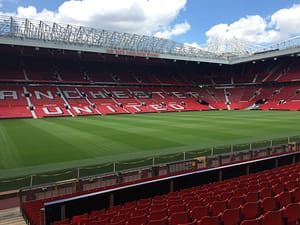
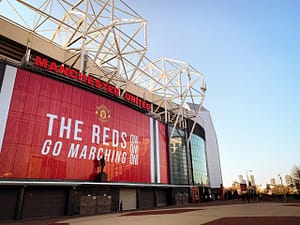
Beyond Old Trafford: How Manchester United’s Multi-Sport Ambitions May Reshape the Club
Manchester United have reportedly given preliminary approval to join the NBA-backed European basketball league launching in 2027-28. Under INEOS and Sir Jim Ratcliffe, this fits a broader multi-sport strategy already successful in cycling and French football.
The move promises North American market growth, new revenue streams and diversification from Premier League uncertainty. Risks include cost, distraction from the football rebuild and fan resistance to diluting club identity.
Comparing Barcelona and Real Madrid’s thriving basketball sections with PSG’s mixed results, this analysis asks: does basketball strengthen or jeopardise United’s return to football’s summit while building a sustainable global sports brand?
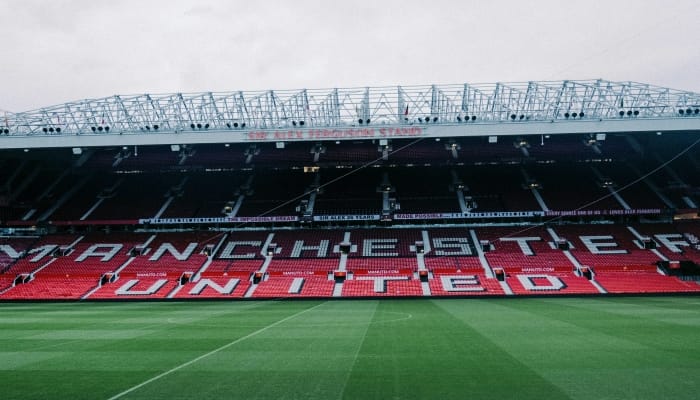
In November 2025, reports emerged from Italian Basketball Federation president Gianni Petrucci that Manchester United had given preliminary approval to join a proposed NBA-backed European basketball league, tentatively dubbed “NBA Europe.” Speaking to Corriere dello Sport, Petrucci claimed the club—the world’s most globally recognized football brand—had “already said yes” to becoming a founding franchise in a competition targeting 10-12 major cities, with a potential launch in the 2027-28 season. While Manchester United has not officially confirmed involvement, the rumor aligns with broader NBA ambitions to create a professional league in partnership with FIBA, featuring permanent teams in markets like Manchester, London, Paris, Berlin, and Madrid.
This is not mere speculation: the NBA has been openly exploring a European division since March 2025, with deputy commissioner Mark Tatum and league executive George Aivazoglou detailing plans for a 16-team, semi-open format that leverages football clubs’ infrastructure and fanbases. European basketball’s commercial value lags dramatically—capturing less than 0.5% of a $50 billion continental sports market—making partnerships with giants like United an attractive shortcut to growth.
For a club under Sir Jim Ratcliffe’s INEOS stewardship, this represents more than opportunistic diversification. It signals a deliberate pivot toward a multi-sport model, echoing the structures of European peers while addressing United’s post-Glazer financial pressures. Yet it also invites profound questions about identity, resource allocation, and whether basketball could dilute or enhance the club’s football-first ethos.
Background – Why United Might Expand into Basketball Now
Manchester United’s flirtation with basketball is hardly unprecedented. In the 1980s, the club fielded a professional team that won domestic titles and competed against European sides like Real Madrid and Barcelona before selling the franchise in 1988. The current rumor revives that history amid perfect timing.
The NBA’s European push stems from basketball’s explosive growth outside North America: one in six NBA players is now European, including multiple MVPs like Nikola Jokić and Giannis Antetokounmpo. Yet the continent’s top competition, the EuroLeague, generates only a fraction of potential revenue. NBA Europe aims to bridge this gap by creating city-based franchises backed by established brands, with football clubs as ideal partners due to existing arenas, sponsorship networks, and global reach.
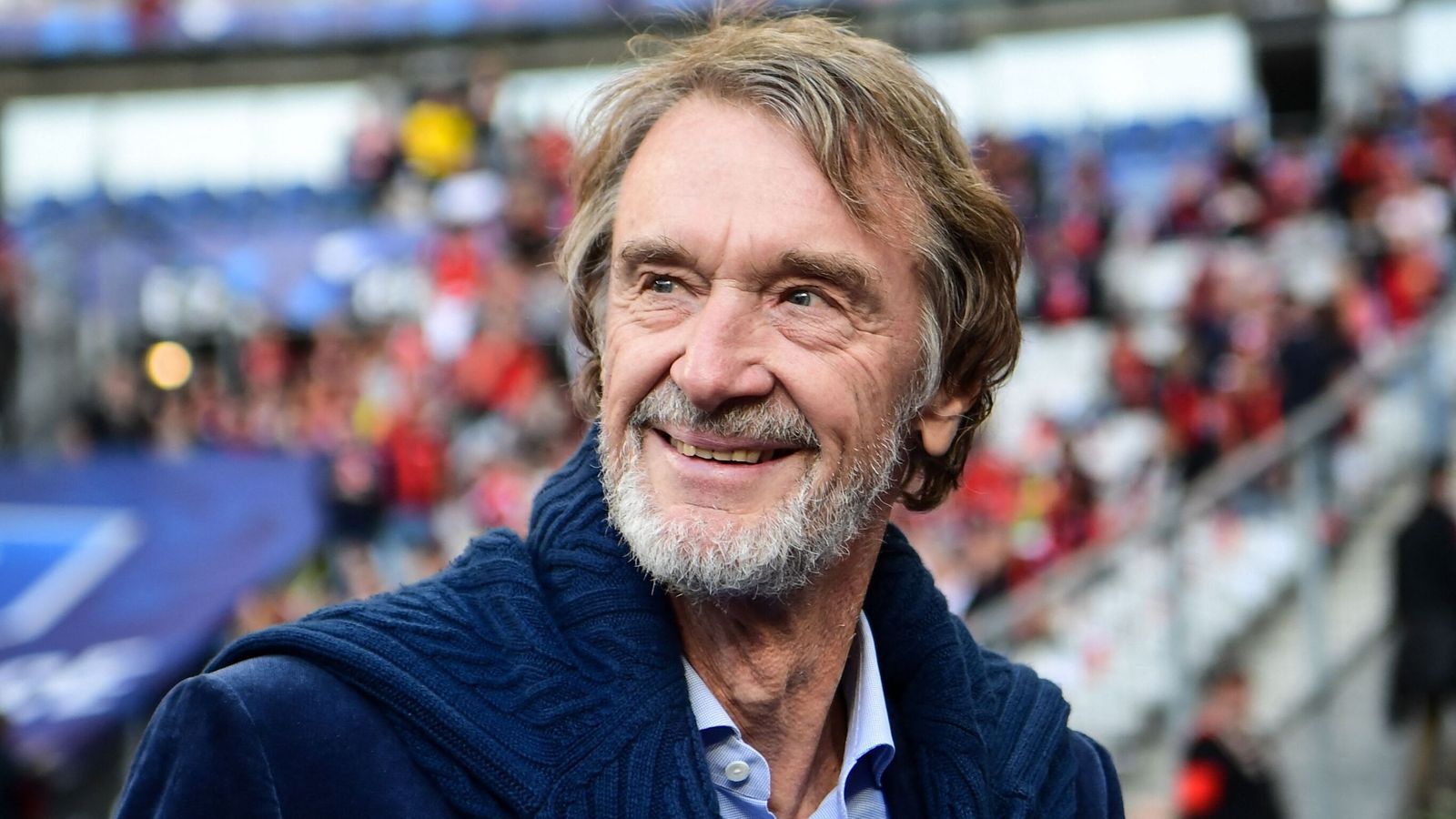
For United, the context is INEOS’s 2024 acquisition of football operations and a 27.7% stake (with path to majority control). Ratcliffe has aggressively cut costs—reducing staff from 1,100 to around 700—while posting record £665.5 million revenues in 2024-25 despite on-pitch struggles. Diversification fits INEOS’s proven multi-sport playbook: the group already owns OGC Nice (football), FC Lausanne-Sport (football), cycling’s Team INEOS Grenadiers, and stakes in Formula 1’s Mercedes team. Basketball offers low-risk entry into a high-growth sport, especially in North America, where United claims over 50 million fans but limited direct monetization beyond tours.
Strategic Logic – Revenue, Markets, and Brand Synergy
The upside is compelling. European basketball’s $200 million commercial pie pales against the NBA’s $10 billion+ ecosystem. A United-backed Manchester franchise could tap shared sponsorships (e.g., Snapdragon, Adidas), cross-promotional tours, and digital content reaching United’s 1 billion+ social followers.
North American penetration stands out: the NBA dwarfs European leagues in U.S. appeal, and a “Manchester United Basketball” team would provide authentic entry for American fans wary of football’s slower pace. Joint events—pre-season NBA games at Old Trafford, or football friendlies in NBA arenas—could accelerate this. Globally, brand cross-pollination works: a United basketball jersey in Asia or Africa reinforces the crest’s universality.
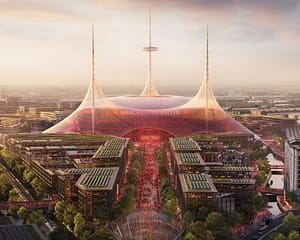
Financially, initial investment appears modest. Unlike building a football academy, basketball requires no vast youth infrastructure; franchises could share the planned Old Trafford redevelopment or partner with local venues. Revenue diversification reduces Premier League dependency, where broadcast deals face uncertainty amid PSR constraints and potential independent regulator scrutiny.
Risks and Challenges – Distraction, Dilution, and Execution Hurdles
Critics will rightly highlight distractions. United’s football rebuild under Ruben Amorim (or successor) demands total focus: midfield overhaul, defensive solidity, and Champions League return. Diverting executive bandwidth—Ratcliffe, Brailsford, Berrada—to basketball governance risks repeating Glazer-era fragmentation.
Financial strain is real. Even if entry fees are subsidized, operating a competitive team requires €20-50 million annually in salaries and operations. Early losses are probable in a nascent league competing with EuroLeague (expanding to 20 teams in 2025-26, including Dubai). Brand dilution looms: purists may resent “basketball United” encroaching on football identity, especially if results suffer.
Execution complexity cannot be understated. The NBA’s plans remain fluid—no formal announcements on ownership models, calendars, or relegation. Clashes with football schedules, player recruitment (competing with EuroLeague salaries), and regulatory hurdles (e.g., British basketball’s fractured landscape post-BBL collapse) could delay or derail participation.
Global Comparisons – Lessons from Barcelona, Real Madrid, and PSG
Multi-sport structures are proven in Europe. FC Barcelona’s basketball section, founded 1926, is a five-time EuroLeague champion with its own 8,000-seat arena and €40 million+ budget, funded partly by football revenues. It enhances global branding—Barça’s basketball team tours Asia independently—while sharing sponsors like Spotify.
Real Madrid’s basketball arm is similarly elite: 11 EuroLeague titles, integrated sponsorships, and mutual talent pathways (e.g., Luka Dončić). Both clubs treat basketball as symbiotic, not subordinate.
PSG’s model is more cautionary. Qatar-backed PSG Handball and women’s football thrive, but basketball ambitions stalled; Paris Basketball (EuroLeague 2024-25) operates independently despite Qatari interest in NBA Europe’s Paris slot. PSG’s experience shows state-backed clubs can overextend, but also that football giants accelerate secondary sports’ growth.
United would follow the Iberian template more than PSG’s fragmented approach, leveraging INEOS’s centralized performance expertise across sports.
INEOS Influence – Ratcliffe’s Multi-Sport Ecosystem
This move is quintessential Ratcliffe. INEOS Sport oversees a portfolio emphasizing marginal gains: cycling’s Tour de France dominance, Nice’s Ligue 1 stability, sailing’s America’s Cup bids. Basketball fits as a high-upside, moderate-investment addition.
Sir Dave Brailsford’s “aggregation of marginal gains” philosophy—already applied to United’s recruitment and operations—translates seamlessly: data-driven scouting, sports science cross-pollination, shared high-performance centers. INEOS’s chemical-derived wealth tolerates short-term losses for long-term dominance, evident in F1 investments.
Critically, INEOS views sport as interconnected: cycling informs endurance training at Nice; basketball could enhance United players’ athleticism via shared facilities. Ratcliffe’s personal passion for endurance sports suggests genuine strategic intent, not mere financial engineering.
Future Implications – From Football Club to Global Sports Entity
Long-term, success could redefine United. A thriving Manchester franchise might anchor a “United Sports” brand: esports, women’s basketball, academies mirroring football’s global network. It accelerates Americanization—critical as Premier League ownership increasingly includes U.S. investors—and positions United against City Football Group’s 13-club empire.
Identity evolves: from Busby Babes to a multi-sport behemoth akin to Red Bull or City Group, but rooted in Manchester. Success breeds acceptance; failure reinforces “stick to football” backlash. Ultimately, it signals United’s transition from English institution to borderless entertainment conglomerate.
A Bold Bet That Could Secure United’s Future
Manchester United’s potential basketball foray is not a gimmick—it is a calculated response to football’s maturing economics and basketball’s untapped European potential. The opportunities outweigh risks if executed with INEOS discipline: diversified revenue, North American conquest, and brand immortality in a $50 billion market.
Yet execution is everything. Dilution of football focus would be unforgivable amid Old Trafford’s rebuild and on-pitch fragility. Handled astutely—leveraging shared infrastructure, minimizing overlap, prioritizing football—this could propel United into a sustainable multi-sport era, emulating Barcelona’s holistic excellence rather than PSG’s sporadic ambitions.
Ultimately, it helps far more than hurts. In an era where single-sport reliance courts obsolescence, embracing basketball positions United not just as England’s most historic club, but as global sport’s most adaptable powerhouse. Ratcliffe’s vision demands boldness; this is its clearest expression yet.