Manchester United 1–1 Wolves: The Match That Exposed a Club in Crisis
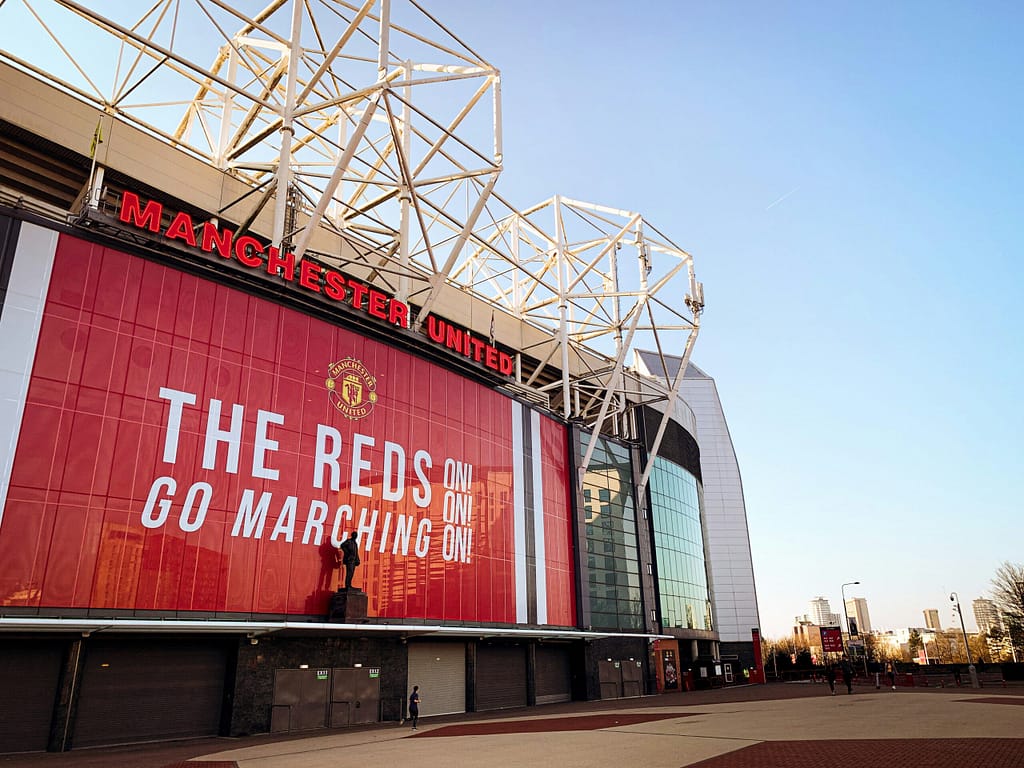
Manchester United’s 1–1 draw with bottom-of-the-table Wolverhampton Wanderers at Old Trafford on December 30, 2025 was not just another dropped point — it was a mirror held up to the club’s deepest vulnerabilities. What should have been one of the easiest three points of the season instead became a night of frustration, lacklustre football and unfulfilled expectations. Wolves, who entered the game with only two points from 18 matches, left with an unlikely first point since October and a moment of redemption. Meanwhile, Manchester United once again failed to live up to their own standards. Premier League+1
As the final whistle blew at Old Trafford, the boos from the home supporters made something painfully clear: this was not merely about a draw, it was about a lack of identity, leadership and quality across the squad and within the club’s sporting structure.
The Match Unfolded: Key Moments and Tactical Breakdown
First Half: United Take the Lead but Lack Momentum
Manchester United began the match with the expectation — and nearly the inevitability — of dominating a Wolves side that had lost a record 11 consecutive Premier League games. Ruben Amorim’s side were missing eight senior players, including influential offensive options such as Bruno Fernandes, Bryan Mbeumo and Mason Mount, which weakened United’s creative output. ESPN
In the 27th minute, United took the lead. Dutch striker Joshua Zirkzee’s effort from the edge of the box was deflected off Wolves defender Ladislav Krejci, sending the ball past goalkeeper Jose Sa. It was a fortunate goal — but one that should have been the start of sustained attacking play. Premier League
However, rather than increasing pressure and controlling the contest, Manchester United 1–1 Wolves: The Match That Exposed a Club in Crisis’s tempo dipped. Their passing lacked urgency. Their forward players struggled to link up with midfield in meaningful attacks. Wolves sensed vulnerability.
Just before halftime, Wolves equalised. On 45 minutes, Krejci, who had unfortunate involvement in United’s goal, found himself unmarked at the far post and powered a header past United’s Senne Lammens. Wolves’ fight and organisation earned them a foothold in the match against a Red Devils side that looked flat and reactive. Sky Sports
Second Half: Missed Chances and Flat Creativity
The second half opened with little shift in momentum. United failed to carry the attacking impetus that would justify their status as clear favourites. Benjamin Sesko hit the post, one of the few genuine opportunities might have turned the game. Sky Sports
In the dying moments, United thought they had secured victory when Patrick Dorgu netted in the 90th minute, only for the goal to be ruled out by VAR for offside. Another twist in a match United should have put to bed long before. Reuters
On the statistical side, United’s expected goals (xG) was 0.81, lower than Wolves’ 1.02, despite a higher overall possession and more attempts — highlighting not just a failure to dominate, but a failure to create quality chances. NewsBytes
From 4–1 Comfort to 1–1 Frustration
Just three weeks prior, Manchester United 1–1 Wolves: The Match That Exposed a Club in Crisis enjoyed a 4–1 victory over Wolves at Molineux, with Bruno Fernandes scoring twice and strong performances from Bryan Mbeumo and Mason Mount. That result felt like proof of potential. Yet the Old Trafford return fixture highlighted how fleeting that promise can be when squad balance and leadership are shaky. ESPN.com
The contrast couldn’t be starker: a convincing away win where United looked assured and capable, followed by an unconvincing home draw against the same opposition. It underscores a pattern — inconsistency, particularly at Old Trafford — where performances fluctuate wildly with squad availability and tactical clarity.
What Went Wrong? Tactical and Structural Flaws
Lack of Creativity and Quality in Key Areas
After the match, Amorim himself admitted that United lacked “quality and fluidity” and struggled to generate high-risk, high-reward moments. He pointed to the absence of key players and a lack of connection between units as factors. Eurosport Polska
But the problem doesn’t begin and end with injuries. United’s midfield and attack lack true creators — players who can consistently unlock defences and impose themselves on games. When Fernandes, Mount or Mbeumo aren’t available, the drop-off is glaring. That is not a mark of squad depth — it is a mark of inadequate investment and strategy.
Defensive Uncertainty and Transitional Weaknesses
Defensively, United also appeared tentative. Wolves’ equaliser came from a breakdown in aerial marking — a basic defensive lapse. The ability to close out a fixture against a struggling opponent requires focus and organisation; United, by contrast, looked too reactive. Their backline was repeatedly tested on transitions — a risk that should be mitigated by better control in midfield and structured buildup.
Midfield Imbalance
United’s midfield often looked one-dimensional. There was no obvious player to dictate tempo or break lines with penetrating passes. Midfield control is essential against low-block sides like Wolves — yet United struggled, allowing their opponent space and opportunities they simply shouldn’t have been granted. This is partly tactical, and partly a consequence of personnel that lack elite game-changing qualities.
The Bigger Picture: United’s Ongoing Struggles
Inconsistency at Home
Manchester United’s home form has been a major concern. The Wolves draw was not an isolated incident. United have dropped points at home in winnable matches multiple times this season — and even when dominating possession, have often lacked finishing precision and attacking fluidity.
Leadership Questions and Fan Frustration
Post-match reactions were raw. Former United captain Gary Neville labelled the performance “the baddest of the bad” in his critique, reflecting a sentiment among supporters who were not just disappointed, but disillusioned.
Fans booed at full-time — not simply because of one draw, but because of a recurring pattern of underwhelming, uninspired performances at a club of Manchester United’s stature.
Injuries or Not, Depth Has Been Exposed
Amorim and club sources have cited injuries affecting team cohesion, but a truly elite squad absorbs absences without collapsing. Teams with depth have capable, high-quality players waiting to step in and maintain levels. United do not.
This speaks to a larger issue: United need quality players in all sections of the pitch — from a creative midfield maestro to a forward who can consistently terrorise defences, to defenders with leadership and composure. Without that, results like the Wolves draw are not accidents — they are symptoms.
Why Sacking the Manager Isn’t the Real Solution
Some voices in the fanbase have called for Amorim’s head. But history at Manchester United over the past decade suggests managerial changes alone do not fix systemic problems. Since Sir Alex Ferguson’s retirement, the club has gone through multiple managers — each arriving with a different philosophy and leaving amid inconsistent outcomes.
The consistent failing has not been isolated to individuals on the touchline. Rather, poor recruitment choices, lack of coherent footballing philosophy, and leadership vacuums at the executive level have undermined every manager’s ability to build something sustainable.
Amorim’s struggles at United reflect not only his own transitional challenges but also the inadequate structure supporting him.
What Manchester United Must Do Next
1. Reinforce the Squad with Genuine Quality
United’s squad is short on true match-winners. While players can be effective in phases, the team lacks figures who consistently influence big moments. This is not a vague critique — it is a data-backed reality seen in the Wolves xG and shot creation numbers.
The club must invest in:
- A controlling number 8/10 with elite chance-creation ability
- A striker with outstanding movement and finishing consistency
- Leaders in the defensive unit to organise and communicate
- Midfielders who can transition quickly and intelligently
2. Develop a Clear, Long-Term Footballing Identity
United need a plan that transcends managerial appointments. Whether Amorim stays or goes, there must be a defined style — a way the club wants to play, recruit and train. That identity must be consistent over time, not reinvented with every managerial change.
3. Prioritise Mental Toughness and Game Management
United often struggle in matches they should control. A successful team must manage games, adjust tactics contextually, and close out matches — especially against teams low on confidence. Wolves exemplified how a low-ranked opponent can exploit a lack of control.
Final Thoughts: More Than a Draw, a Diagnosis
The 1–1 grind against Wolves was not merely disappointing — it was diagnostic. It exposed Manchester United’s lack of coherence, insufficient quality, and an inability to assert dominance where expectation demands it.
If this club wants to return to elite competition, it must address structural decay, not just cosmetic issues. Fans are not crying for chaos — they are crying for accountability, investment, identity and ambition.
Until then, matches like the Wolves draw will remain not one-off embarrassments but hallmarks of a club in need of direction.