Manchester United’s £175 Million Naming Rights Deal: Inside the “Wembley of the North” Vision That Could Transform the Club
Manchester United are preparing a £175 million naming rights deal for a proposed 100,000-seat stadium. The project could redefine the club’s future, finances, and global power.
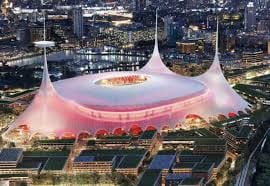
Manchester United are preparing for what could become one of the most significant commercial and infrastructural shifts in modern football. Reports indicate the club is working toward a naming rights agreement potentially worth around £175 million for a proposed 100,000-seat new stadium, a project that has already earned the nickname “the Wembley of the North.” If completed, the deal would likely become the most lucrative stadium naming rights partnership in Premier League history.
Beyond the headline figure, this development represents much more than a commercial transaction. It signals a strategic attempt to reposition Manchester United at the very top of world football infrastructure, revenue generation, and global appeal. From the future of Old Trafford to the financial logic behind the deal, the regeneration of Trafford Wharf, and the risks involved, this project could shape the club’s next several decades.
Why Manchester United Are Considering Leaving Old Trafford
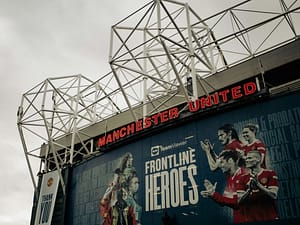
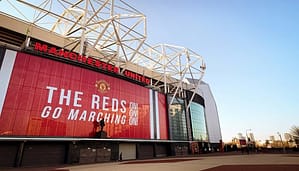
Old Trafford has been Manchester United’s home since 1910 and remains one of football’s most iconic venues. With a capacity of roughly 74,000, it is still the largest club stadium in the United Kingdom and a powerful symbol of the club’s history, from the Busby Babes era to Sir Alex Ferguson’s dominance. However, years of limited structural investment have left the stadium visibly outdated, with recurring complaints about leaks, concourses, accessibility, and overall matchday experience.
Since acquiring a minority stake and taking control of football operations in 2024, Sir Jim Ratcliffe has pushed for a long-term solution rather than short-term repairs. Two options were studied extensively: a major redevelopment of Old Trafford or the construction of an entirely new stadium nearby. The emerging preference has been a new build adjacent to the current site, with the possibility that Old Trafford would eventually be demolished once the new venue is operational.
The Vision for a New 100,000-Seat “Wembley of the North”
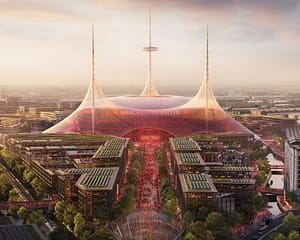
The proposed stadium is designed to place Manchester United among the elite global venues. Early concepts developed by Foster + Partners, led by renowned architect Lord Norman Foster, focus on steep stands, enclosed intensity, and fans positioned extremely close to the pitch. The intention is to restore the intimidating atmosphere historically associated with Old Trafford while upgrading every technical and commercial aspect of the stadium.
Unlike multi-purpose athletics venues, this stadium is planned specifically around football sightlines and crowd acoustics. Modern hospitality zones, large-scale digital screens, advanced connectivity, and event-ready infrastructure would allow it to host major concerts and international fixtures. The long-term ambition is for the ground to rival or surpass Europe’s most advanced stadiums and to genuinely function as a northern counterpart to Wembley in prestige and utility.
The £175 Million Naming Rights Deal Explained
Central to financing the project is a potential stadium naming rights partnership valued at roughly £15 million per year, which over a standard long-term contract could exceed £175 million. That figure would place Manchester United above existing benchmark deals such as Wembley and Arsenal’s Emirates Stadium.
The commercial appeal lies in the fact that this would be a brand-new stadium, allowing a sponsor to attach its name from day one rather than retrofitting branding onto a historic ground. Combined with Manchester United’s global audience and the Premier League’s reach, the asset becomes exceptionally attractive to multinational companies seeking sustained visibility.
Some industry estimates suggest the annual value could rise even higher if the club maintains consistent Champions League participation, which significantly increases worldwide exposure. Performance on the pitch, therefore, is directly linked to the final valuation.
Why Snapdragon Are Heavily Linked to the Project
Manchester United’s current shirt sponsor, Snapdragon, has been widely mentioned as a leading candidate. The technology brand already works closely with the club, integrating connectivity and digital experiences at Old Trafford and the Carrington training complex. Their existing partnership has focused heavily on fan engagement, retail innovation, and immersive technology.
Crucially, Snapdragon executives have publicly indicated a preference for a subtle branding approach, potentially using formats such as “powered by Snapdragon” rather than fully renaming the stadium in a way that might provoke supporter backlash. This mirrors their existing involvement with Snapdragon Stadium in the United States and aligns with United’s sensitivity around heritage.
While Snapdragon are prominent, other global brands are also believed to be interested, and competition could push the valuation beyond initial projections.
The Financial Importance of the Deal for Manchester United
The construction cost of the new stadium has been estimated at around £2 billion, making it one of the most expensive sports infrastructure projects ever attempted in the UK. With Manchester United already carrying significant debt, unlocking major long-term commercial income is essential to avoid placing unsustainable pressure on football operations.
A naming rights deal in the region of £175 million would not cover the entire cost, but it would significantly reduce financial exposure and help secure external investment. In parallel, the increase from 74,000 to 100,000 seats would transform matchday revenue, potentially adding tens of millions of pounds per season through ticketing, hospitality, and non-matchday events.
These income streams are also important for compliance with financial regulations, allowing the club to invest competitively in the squad while modernising infrastructure.
How a New Stadium Could Change Manchester United’s Sporting Future
Elite players increasingly consider facilities when choosing clubs. A new world-class stadium would strengthen Manchester United’s attractiveness to top talent, corporate partners, and global competitions. Enhanced hospitality offerings, cutting-edge training links, and a modern matchday environment all contribute to brand power in the modern football economy.
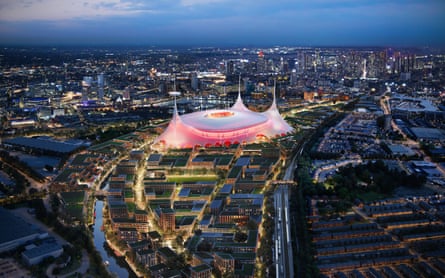
The ability to host high-profile events beyond weekly fixtures — including international matches, major finals, and large-scale concerts — would also elevate Manchester United’s off-pitch profile. Over time, this would reinforce the club’s status not just as a football institution, but as a global entertainment destination.
The Trafford Wharf Regeneration and Its Wider Impact
The stadium is only one element of a much larger 370-acre regeneration project around Trafford Wharf. Plans include thousands of new homes, upgraded public spaces, improved transport links, and extensive commercial development. Projections associated with the scheme suggest it could generate billions annually for the UK economy and create tens of thousands of jobs locally and nationally.
For Manchester United, this aligns commercial ambition with civic development. The project is being positioned not only as a football upgrade, but as a long-term economic catalyst for Greater Manchester, similar in philosophy to how the London 2012 Olympics reshaped East London.
The Heritage and Fan Culture Risks
Despite the financial logic, emotional resistance remains strong. Old Trafford is deeply embedded in Manchester United’s identity. For many supporters, it is not merely a venue but a living archive of the club’s greatest moments. The idea of demolition raises fears of cultural loss that no modern architecture can fully replace.
There are also concerns that commercial optimisation could reduce affordability and shift the stadium’s balance toward premium customers. If ticket pricing, seat allocation, or branding are perceived to sideline traditional supporters, backlash could intensify, even if the project succeeds financially.
Financial and Logistical Uncertainties Still Facing the Project
The scale of the build introduces genuine risk. Cost overruns, construction delays, or weaker-than-expected sponsorship agreements could significantly affect the club’s finances. On-field underperformance would also reduce the commercial value of the stadium, making European qualification a strategic necessity rather than a sporting luxury.
Progress has also been slowed by unresolved land issues, most notably a dispute involving nearby rail freight infrastructure. Until these matters are settled, timelines remain vulnerable to extension, and final design elements may require revision.
Current Status of the Stadium Plans
As of late January 2026, the project remains in the planning and negotiation stage rather than active construction. A major institutional step forward has been the launch of the Old Trafford Regeneration Mayoral Development Corporation, established to oversee planning, coordination, and long-term development of the surrounding zone.
While conceptual designs have been revealed and investor discussions continue, final land agreements and funding structures are still being worked through. The originally discussed completion target of around 2030 remains aspirational and dependent on how quickly these obstacles are resolved.
What the “Wembley of the North” Could Ultimately Mean
If successfully delivered, the new stadium and its naming rights deal could redefine Manchester United’s financial platform, modernise its global image, and secure a sustainable commercial advantage for decades. It represents a rare chance to reset infrastructure at a time when elite football is increasingly shaped by off-pitch power.
However, the stakes are equally high. The loss of Old Trafford, the financial exposure, and the emotional contract with supporters make this one of the most sensitive decisions in the club’s history. Whether it becomes a symbol of renewal or a source of lasting controversy will depend not just on architecture, but on how well Manchester United balance progress with identity.
For a club built on tradition yet competing in a relentlessly commercial era, the “Wembley of the North” may become the ultimate test of whether both worlds can truly coexist.