Are Manchester United Really Ready to Back Ruben Amorim — Or Is This the Same Old Transfer Script?
Manchester United claim they’re ready to back Ruben Amorim this transfer window — but history urges caution. An honest, in-depth analysis for United fans.
Manchester United are once again telling the world they are ready.
Ready to back their manager. Ready to act if the right opportunity arises. Ready to be sensible, cautious, and strategic in the transfer market. According to those close to the situation, the club will not “do anything silly,” but they remain open to making moves — whether through loans, permanent signings, or a combination of both.
On the surface, this sounds like a club learning from its past. In reality, for a fanbase shaped by more than a decade of false dawns, these words do not spark excitement. They trigger skepticism.
Because Manchester United have been “ready” before.
A Familiar Promise United Fans Have Heard Too Many Times
The post–Sir Alex Ferguson era has been defined by repetition. Different managers have come and gone, yet the messaging from the club remains eerily consistent. Each new appointment arrives accompanied by assurances of support, alignment, and patience. Each cycle ends with blame, fragmentation, and another reset.
David Moyes was supposed to be given time. Louis van Gaal was meant to oversee a philosophy shift. José Mourinho was promised backing to build a title-winning defense. Ole Gunnar Solskjær was trusted to lead a cultural rebuild. Erik ten Hag was appointed to restore standards and structure.
All of them were, at one point, “backed.” None of them were fully supported in a way that aligned recruitment, authority, and long-term vision.
This history matters, because Ruben Amorim is not a manager who can survive half-measures.
Why Ruben Amorim Is a Fundamentally Different Appointment
Ruben Amorim is not a project manager in the traditional Manchester United sense. He is not adaptable to chaos, nor does he rely on individual brilliance to compensate for structural flaws. His success at Sporting CP was rooted in clarity — tactical, positional, and organisational.
Amorim’s preferred system, usually a 3-4-3 or 3-4-2-1, is not flexible decoration. It is the foundation of his football. The system dictates recruitment, training, and in-game decision-making. Wing-backs must provide both width and defensive stability. Central defenders must be comfortable stepping into midfield. Midfielders must understand space and restraint. Forwards must press collectively and sacrifice individual freedom for structural integrity.
This is not theoretical. It is how Amorim wins football matches.
And it is precisely why Manchester United’s approach to backing him will be tested immediately.
What “Backing the Manager” Actually Means in the Transfer Market
Manchester United will sign players this window. That is not in doubt. The club always signs players. The real question is whether those signings reflect the manager’s system or the club’s habits.
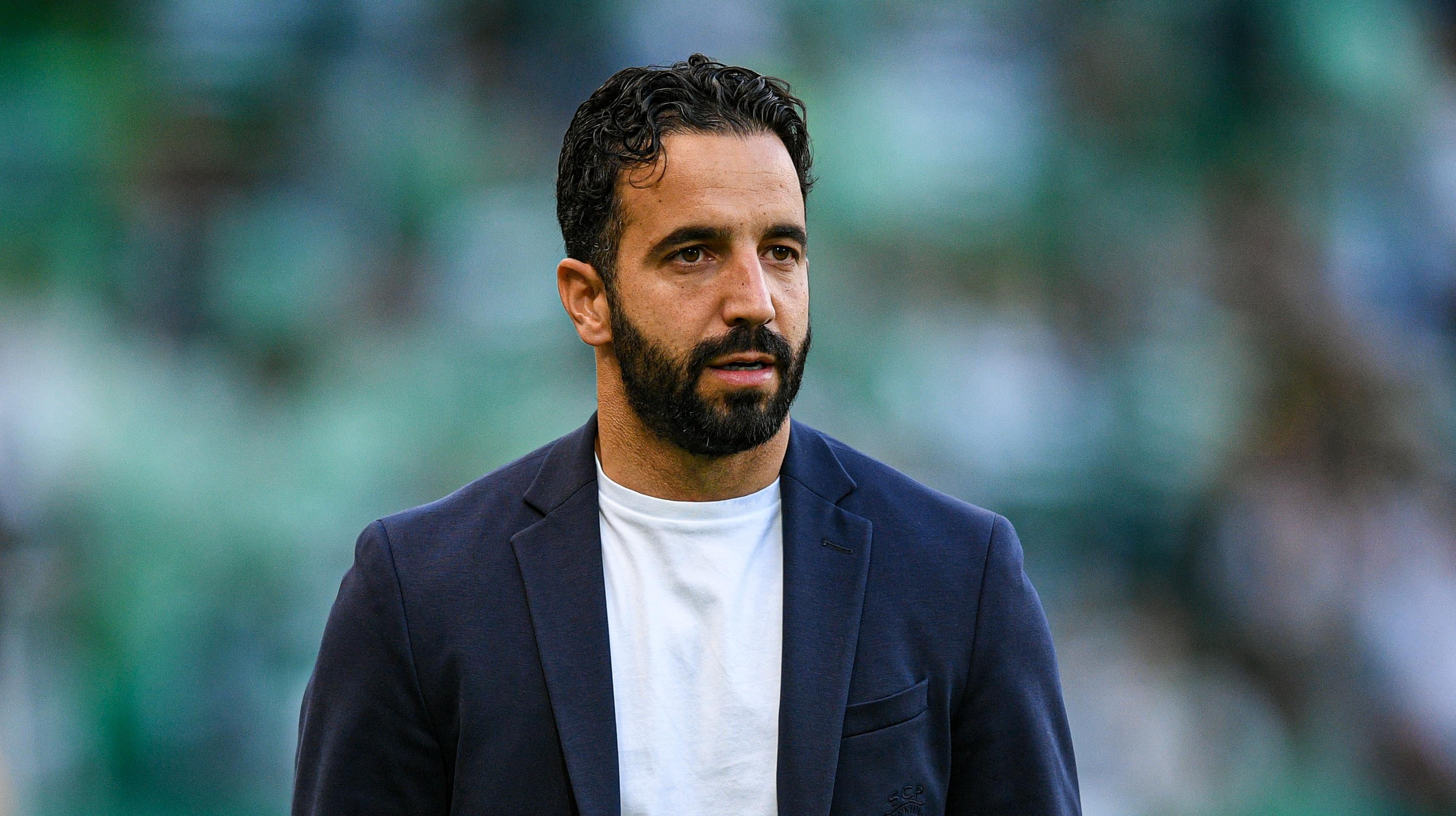
Backing Ruben Amorim does not mean chasing market opportunities or waiting for ideal conditions. It means identifying specific tactical needs and acting decisively to meet them. It means prioritising profile fit over name recognition. It means allowing the manager’s vision to shape recruitment, rather than forcing him to adapt to convenience.
When sources say United are ready to act “if the right opportunity arises,” supporters are right to ask: who defines that opportunity?
If recruitment decisions are still filtered through layers of executive caution, commercial considerations, or reactive planning, then Amorim’s authority will be compromised before his project even begins.
“Nothing Silly” — Sensible Strategy or Strategic Paralysis?
The phrase “nothing silly” is often presented as evidence of growth. After years of overspending and underdelivering, caution feels like maturity. But history shows that Manchester United’s version of caution has often been counterproductive.
Windows spent negotiating endlessly. First-choice targets missed. Panic buys made late in the market. Loan deals framed as clever solutions but offering little long-term value.
There is a difference between discipline and hesitation. Amorim’s system does not benefit from temporary fixes or short-term patches. Poorly suited players do not simply underperform — they disrupt the entire structure.
Sometimes, the most damaging decision is refusing to act when clarity exists.
Loans vs Permanent Signings: A Risky Middle Ground
United’s openness to both loan deals and permanent signings suggests flexibility. But flexibility without direction can quickly become incoherence.
Loans only work when they serve a clear purpose: bridging a gap, accelerating development, or preparing for a permanent solution. Too often at United, loans have functioned as narrative management — moves designed to calm pressure rather than advance a footballing plan.
Amorim does not need placeholders. He needs building blocks.
If United rely too heavily on short-term solutions, they risk delaying the structural overhaul his system demands. That delay will not be invisible on the pitch.
The Current Squad and the Scale of the Challenge
This Manchester United squad is not a minor tweak away from suitability. It is the product of multiple managerial regimes, each leaving behind players tailored to different philosophies.
Several defenders are uncomfortable operating in a back three. Full-backs lack the spatial awareness required of wing-backs. The midfield still struggles with positional discipline and control. The attack remains fragmented, often reliant on individual moments rather than coordinated patterns.
These are not issues that coaching alone can fix. They require targeted recruitment and, just as importantly, decisive exits.
The Uncomfortable Truth About Squad Turnover
One of Manchester United’s most persistent problems has been an inability to move on at the right time. High wages, sunk costs, and fear of backlash have repeatedly delayed necessary departures. Managers are asked to “work with” players who no longer fit, while accountability quietly shifts away from decision-makers.
Amorim’s football does not allow for sentimentality. Every role carries responsibility, especially without the ball. If United protect assets at the expense of structure, the system will suffer.
Backing Amorim means trusting his judgement — even when it leads to uncomfortable decisions.
The Real Battle: Authority, Trust, and Control
Behind the transfer talk lies a deeper issue: autonomy.
Successful modern managers operate within clear frameworks. Authority is defined. Roles are respected. Communication is consistent. Manchester United, by contrast, have often blurred these lines, leaving managers exposed when results fluctuate.
Amorim’s success will depend on trust — trust that his vision will be supported beyond the honeymoon period. Trust that short-term setbacks will not trigger institutional panic. Trust that alignment is not conditional on immediate success.
Without that trust, this project risks collapsing under familiar pressures.
Why United Fans Are Right to Be Skeptical
Supporters are not cynical by nature. They have been trained to be. Each cycle of promise and disappointment reinforces the same lesson: words mean nothing without action.
The burden of proof no longer lies with the fanbase. It lies with Manchester United.
If the club are genuinely ready to back Ruben Amorim, it will show quickly — in the timing of signings, the coherence of recruitment, the decisiveness of departures, and the consistency of messaging.
A Defining Transfer Window for Manchester United
This transfer window is about more than strengthening the squad. It is about identity. It is about whether Manchester United are capable of committing to a modern football project without undermining it through compromise.
The club does not need to spend recklessly. It does not need to chase every opportunity. But it does need to act with purpose and conviction.
Because readiness without resolve is meaningless.
And if this window ends with another manager navigating contradictions, another squad assembled by committee, and another reset quietly looming on the horizon, then this will not simply feel like the same old script.
It will confirm that Manchester United still haven’t learned how to write a new one.