Manchester United Are Collapsing: Inside the Betrayals, Toxic Ownership, and Structural Failure Destroying the Club
Manchester United are spiraling into chaos as player unrest, INEOS tension, and Glazer-era decay combine into a crisis that exposes a club stripped of identity, purpose, and ambition.
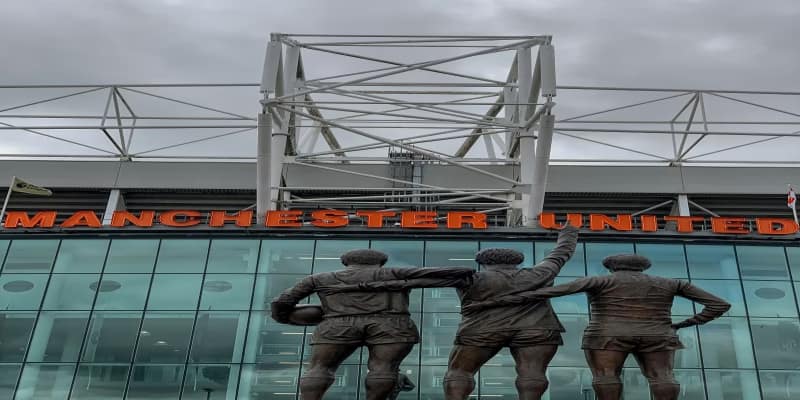
Manchester United are collapsing — again — but this time, the fall is deeper, more humiliating, and more revealing than any moment in the post-Ferguson era. Every season we repeat the same lines: “United lack identity,” “the players have downed tools,” “the board failed in the transfer window,” “the Glazers do not care.” But 2025 is different. The club is no longer suffering from a cycle of poor decisions; it is suffering from the consequences of twenty years of structural decay. Rumors swirling that players are turning on Rúben Amorim, that INEOS are losing patience, and that the football department is overwhelmed are not just signs of turmoil — they are symptoms of a club that has been hollowed out from the inside. Manchester United are bleeding, and for the first time in decades, the world can clearly see that the wound is infected, not accidental. The question is no longer “Can United rise again?” but rather “Will they ever rise as long as the Glazers remain in power?”
United Are Imploding Again — But This Time the Collapse Feels Permanent
Each match displays the same pattern: a lack of intensity, confusion in possession, tactical disorganization, and a dressing room that looks emotionally detached. Gone are the days when Old Trafford could trust its team to fight back from adversity; instead, we see players strolling back after losing the ball, pointing fingers at each other, and behaving like disconnected individuals forced to wear the same shirt. Fans still talk about “bad form,” but the truth is far darker — the squad has no collective belief, no shared identity, and no internal leadership. Manchester United do not play like a professional football team; they play like a collection of overhyped assets. When news breaks that players are privately questioning Amorim’s methods — his intensity, training demands, and tactical discipline — it becomes clear that the culture inside Carrington remains toxic, unchanged, and unfixed no matter who the manager is.
The brutal truth is this: Manchester United players have been allowed to dictate the direction of this club for more than a decade. Managers come and go, systems get ripped up every eighteen months, projects collapse before they begin, and players stay comfortably in their positions with zero consequences. You cannot build a winning team with a losing mentality. And you cannot build a modern football structure while your squad has more power than the head coach. This is why it doesn’t matter if it’s Amorim, Ten Hag, Mourinho, Solskjaer, or anyone else — the culture is bigger than the manager, and the culture is rotten.
INEOS vs Glazers: A Power Struggle Slowly Destroying Every Department
INEOS entered with ambition: control football operations, modernize recruitment, rebuild the standards. On paper, it sounded like salvation. But in practice, INEOS are discovering the hard truth — you cannot fix Manchester United while still operating under the Glazer ownership model. The Glazers still hold the majority control; they still demand commercial-driven strategies; they still set financial boundaries that limit recruitment; and they still prioritize dividends over footballing success. No matter how competent INEOS might be, they are working inside a collapsing house built on weak foundations.
Behind the scenes, tension is inevitable. INEOS want a football-first culture. The Glazers want a profit-first culture. These two visions do not coexist. They clash every week — in board meetings, in budget discussions, in recruitment strategy. The Glazers still retain veto power over key decisions, meaning even the most logical footballing choices require commercial approval. When fans hear rumors that INEOS are starting to feel overwhelmed, frustrated, or shocked by the depth of incompetence they inherited, that is not surprising — it’s expected. Anyone stepping into this mess would struggle.
The Glazers’ presence ensures Manchester United will always operate ten years behind modern football. You cannot compete with City, Arsenal, Liverpool, Bayern, or Real Madrid when your owners view the club as a cash machine rather than a footballing institution. The signs of Glazer sabotage are everywhere: outdated facilities, reactive recruitment, inflated wages, short-term fixes, and a bloated squad assembled by different regimes. INEOS might dream of rebuilding United, but they are attempting to rebuild a skyscraper while the owners keep cutting the beams from underneath.
The Dressing Room Has Lost Faith Again — A Broken Culture With No Accountability
If players are turning on Amorim, it would be the least surprising event of the season. This squad has a long history of turning against managers the moment they are challenged, the moment expectations increase, or the moment coaching demands exceed their comfort zone. Mourinho called them “spoiled.” Ten Hag said they lacked mentality. Rangnick said the entire club needed open-heart surgery. All three were correct. The modern Manchester United dressing room is built on comfort, not competition. On status, not hunger. On celebrity, not discipline.
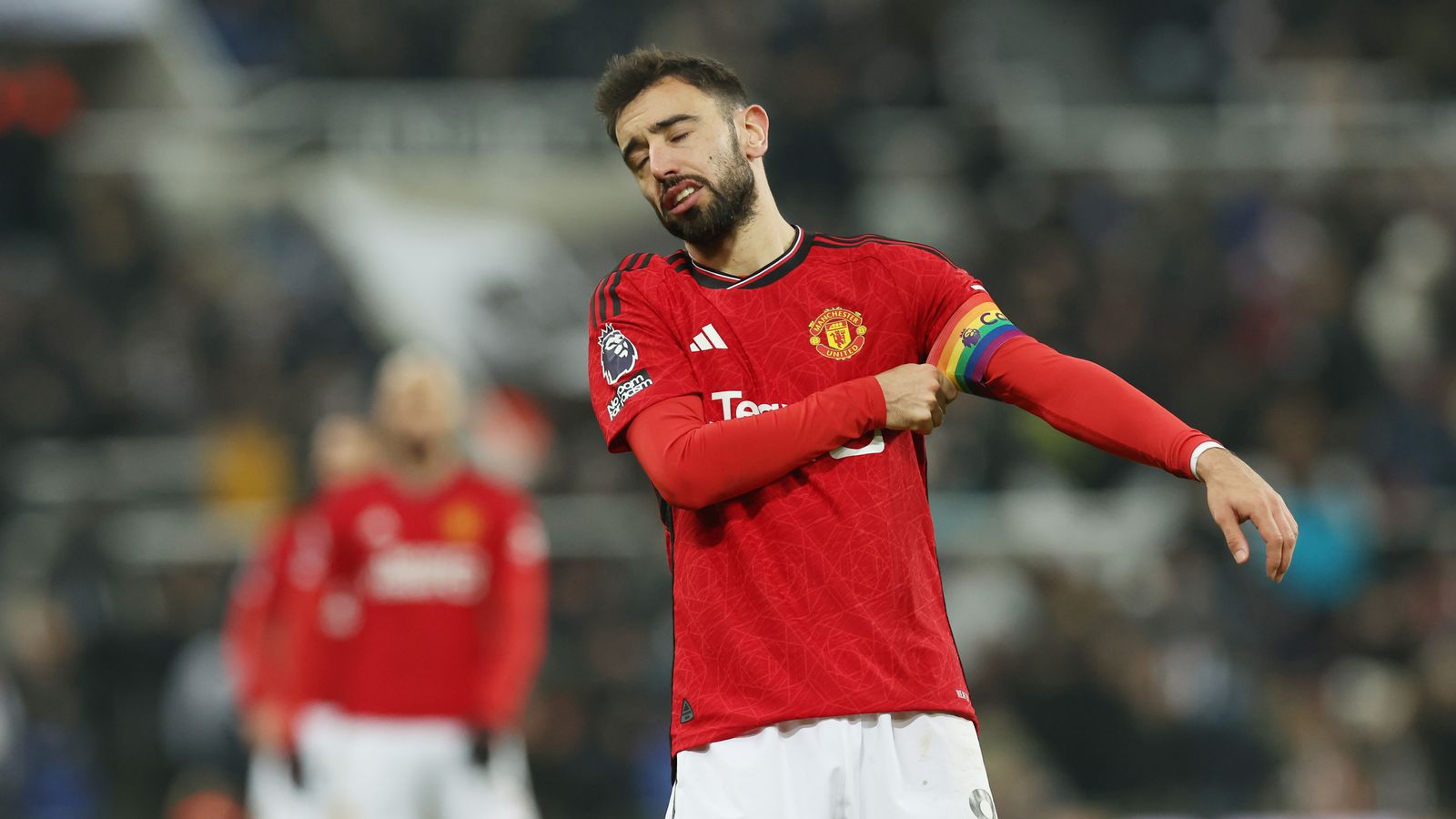
Amorim demands intensity, tactical obedience, and positional intelligence. He is a modern manager trying to implement modern systems in a squad with players who prefer chaos. United players have been allowed to coast for years under weak leadership and patchy structures, and when a coach arrives who exposes their shortcomings, the backlash begins. Leaks grow, excuses emerge, and performance levels mysteriously drop. This cycle has repeated for more than a decade, and it exposes the deep-rooted cultural disease that has survived every managerial change.
If Amorim fails — not because of tactics, but because of dressing room power struggles — it will prove what many experts have already concluded: the players are not the victims of the club’s decline; they are the architects of it.
Glazer Ownership: Two Decades of Rot That Guarantees No Bright Future
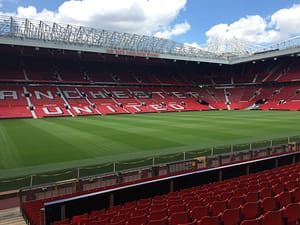
Manchester United’s collapse is not accidental — it is engineered by decades of strategic neglect. The Glazers have drained over £1.5 billion out of the club through debt servicing, dividends, and financial manoeuvres that treated United like a private ATM. While rivals invested in infrastructure, academies, analytics, recruitment departments, and multi-year footballing projects, United stagnated. The training ground just recently redeveloped after massive calls. The stadium is literally leaking. The scouting department operates with prehistoric processes. And the football philosophy changes every time a new manager walks through the door.
This is not a club that plans for the future. This is a club that reacts to crisis after crisis, putting out fires with petrol. Every major decision under the Glazers has been short-term, commercially influenced, and disconnected from the footballing reality. This is why the club has signed players based on marketing potential, not system fit. This is why deadwood accumulates every year. This is why the squad always looks unbalanced. This is why no manager, no matter how talented, has succeeded. Manchester United have spent billions, yet somehow have the worst squad structure among Europe’s top clubs.
There is no scenario — none — where Manchester United return to the top while the Glazers remain owners. They do not care about winning. They do not care about fans. They do not care about heritage. They care about revenue, sponsorships, and extracting every possible dollar before eventually selling at maximum profit. A club owned by people who do not love football will never lead a football revolution.
Recruitment Is a Disaster — A Frankenstein Squad Built With No Vision
One of the clearest signs of structural collapse is the squad itself. United have spent more money than almost any club in the world, yet the squad still feels disjointed, imbalanced, and tactically incompatible. Each manager signed players to fit their own philosophy, leaving behind mismatched parts like a scrapyard of failed experiments. United have forwards who don’t press, wingers who can’t cross, midfielders who can’t control games, defenders who can’t play high lines, and goalkeepers asked to perform roles they aren’t suited for.
The club lacks scouts with modern analytical expertise, lacks a recruitment model with long-term continuity, and lacks a coherent footballing philosophy from top to bottom. Compare this to City, Liverpool, Arsenal, Bayern, or even Brighton — clubs that recruit based on needs, identity, and tactical fit. United recruit based on desperation, hype, or commercial appeal. This is not bad luck; this is systemic failure.
Until recruitment is rebuilt from scratch — not patched, not adjusted, but rebuilt — Manchester United will continue signing expensive players who cannot elevate the team.
Can Manchester United Ever Rise Again? Not Under This Ownership
Fans ask the same question every season: “When will Manchester United rise again?” The honest answer is brutal — not soon, and not under the Glazers. You cannot rise while still sinking. The club needs:
- ownership change
- a clear sporting director model
- a long-term tactical identity
- a disciplined dressing room
- a modern academy-to-first-team pathway
- a ruthless recruitment strategy
- a consistent managerial timeline
- complete cultural rebuilding
But the Glazers block every single one of these steps. They are the ceiling on Manchester United’s ambitions. INEOS may try to raise standards, but the Glazers set the limits, and those limits guarantee mediocrity.
This Is the Final Call for Action — Manchester United Cannot Heal Until the Glazers Leave
Manchester United will keep collapsing, rebooting, collapsing again, and repeating the cycle until someone finally confronts the truth the world already sees clearly: the Glazers are the disease, everything else is a symptom. INEOS cannot save this club while the Glazers hold majority control. Amorim cannot succeed while the dressing room holds more power than the manager. Recruitment cannot improve while commercial interests override football strategy. Culture cannot change while players remain protected from accountability. No future manager — no matter how world-class — can succeed under a structure built to fail.
So the question for fans is no longer “When will United rise?”
The real question is: When will the Glazers’ grip finally end?
Because until it does, Manchester United will remain trapped in a cycle of chaos, betrayal, underperformance, and heartbreak.
This is the hard truth. This is the reality. This is the cost of two decades of ownership failure.
The Glazers must go — or Manchester United will never rise again.