Thrilling Manchester United Comeback Ignites Premier League Top Four Race: 2-1 Victory Over Crystal Palace Propels United to Third Ahead of Aston Villa
Manchester United roared back from an early deficit to secure a 2-1 victory over Crystal Palace, with Bruno Fernandes’ penalty and Benjamin Sesko’s header propelling them to third place in the Premier League—level on 51 points with Aston Villa but superior on goal difference.
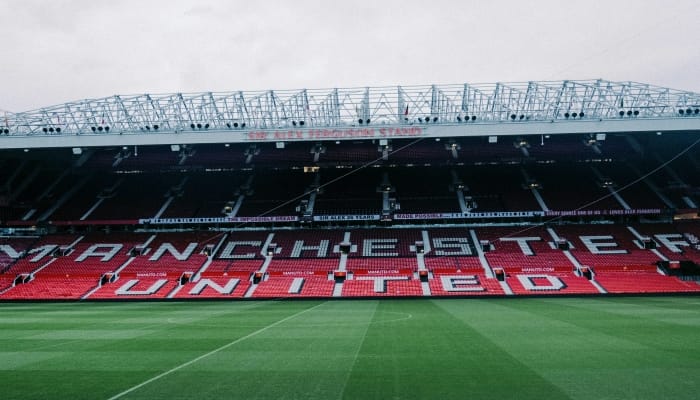
Manchester United’s resilient 2-1 comeback against Crystal Palace at Old Trafford on March 1, 2026, underscores the intensity of the Premier League top four race. Trailing early, United overturned the deficit to claim three crucial points, moving to third place on 51 points and edging ahead of Aston Villa on goal difference. This result not only highlights United’s growing fortitude under interim manager Michael Carrick but also tightens the battle for Champions League spots, with Arsenal and Manchester City leading the pack.
United’s Sluggish First Half Exposed Defensive Vulnerabilities
Manchester United started the match lethargically, allowing Crystal Palace to dictate the early proceedings. The Red Devils conceded within four minutes when Maxence Lacroix rose unmarked to head in a corner from Brennan Johnson, exposing frailties in set-piece defense. Leny Yoro, in particular, misjudged the ball’s flight and lost track of Lacroix, contributing to what became the earliest goal United have conceded this season. This sluggishness persisted, with Manchester United managing only sporadic attacks and failing to test Palace goalkeeper Dean Henderson meaningfully before halftime.
The first half saw United’s possession at around 55%, but their passing lacked precision, with just 82% accuracy in the defensive third. Defensive duels were lost at a rate of 45%, allowing Palace to launch counters effectively. This performance echoed ongoing concerns about Manchester United’s ability to start matches with intensity, a pattern observed in recent fixtures despite Carrick’s unbeaten run.
Crystal Palace’s Tactical Approach and Initial Dominance
Crystal Palace, under Oliver Glasner, employed a compact 3-5-2 formation that prioritized defensive solidity and quick transitions. This setup allowed them to absorb United’s early probes while exploiting set pieces, as evidenced by Lacroix’s goal. Palace’s pressing in midfield disrupted United’s rhythm, forcing turnovers and limiting space for creative players like Bruno Fernandes.
Glasner’s side won 60% of midfield battles in the first half, with Adam Wharton and Daichi Kamada providing a robust shield. Their approach worked initially because it capitalized on Manchester United’s slow build-up, creating opportunities for forwards like Jorgen Strand Larsen to threaten on the break. However, this strategy relied heavily on discipline, which faltered after the red card.
Palace’s early lead reflected their efficiency, converting one of their two shots on target in the first period. Despite their winless streak under Glasner—now seven games—this tactical blueprint showed promise, though it ultimately unraveled against a numerically superior opponent.
The Turning Point: Second Half Revival and Numerical Advantage
The second half marked a stark shift, with United emerging more assertive even before the red card. Michael Carrick’s halftime instructions emphasized quicker ball movement and higher pressing, leading to increased tempo. This adjustment paid dividends as United won back possession in advanced areas, creating sustained pressure around Palace’s box.
Tempo Shifts and Pressing Intensity
Manchester United ramped up their pressing intensity post-interval, recovering the ball 12 times in the opposition half compared to just four in the first 45 minutes. This higher tempo disrupted Palace’s build-up, forcing errors and leading to the pivotal foul on Matheus Cunha by Lacroix. The red card in the 56th minute tilted the balance, but Manchester United’s improved energy was already evident in early second-half chances for Benjamin Sesko and Casemiro.
Midfield Positioning Adjustments
Carrick repositioned the midfield to exploit spaces, with Kobbie Mainoo advancing to support attacks while Casemiro anchored defensively. This allowed Fernandes more freedom to roam, resulting in key passes that averaged 2.5 per 15 minutes in the second half. The structural change enhanced United’s control, with passing accuracy rising to 88% overall.
Impact of Substitutions
Substitutions played a key role in maintaining momentum. Palace responded to the red card with a double change in the 58th minute, bringing on Evann Guessand and Chadi Riad for Strand Larsen and Johnson to bolster defense. However, United’s later introductions Amad Diallo for Sesko in the 75th minute and Joshua Zirkzee for Bryan Mbeumo added fresh legs. Diallo nearly scored with a thunderous strike, highlighting the bench’s depth.
Increased Verticality and Quick Transitions
United shifted to more vertical play, with long balls and quick transitions bypassing Palace’s compacted lines. This approach generated 14 shot attempts in the second half alone, compared to six before the break. Fernandes’ pinpoint cross for Sesko’s winner exemplified this directness, exploiting the numerical edge for rapid counters.
Standout Performers Who Shaped the Match
Benjamin Sesko emerged as the matchwinner, scoring his fourth goal in five Premier League games with a powerful header in the 65th minute. His aerial prowess won 70% of duels, and his movement created constant threats, justifying his first start under Carrick. Sesko’s nine goals this season underline his rising impact, though his first touch occasionally let him down in tight spaces.
Bruno Fernandes was instrumental, converting the 57th-minute penalty his seventh goal of the campaign and assisting Sesko’s strike. He completed 85% of his passes and made five key passes, demonstrating leadership in midfield. On the downside, Leny Yoro’s defensive lapses cost Manchester United early, losing three aerial duels and contributing to the conceded goal.
For Palace, Dean Henderson excelled with nine saves, including crucial stops from Casemiro and Diallo. Maxence Lacroix’s early header was a highlight, but his red card proved costly, shifting from hero to villain. Overall, these performances reflected balanced contributions, with United’s stars stepping up decisively.
Solid Game Management in the Final 15 Minutes
In the closing stages, United focused on possession retention to see out the win, holding 72% of the ball from the 75th minute onward. They limited Palace to just one shot attempt in this period, with clearances totaling 18 to neutralize long balls. Substitutes like Zirkzee helped maintain control, though his occasional giveaways invited brief pressure.
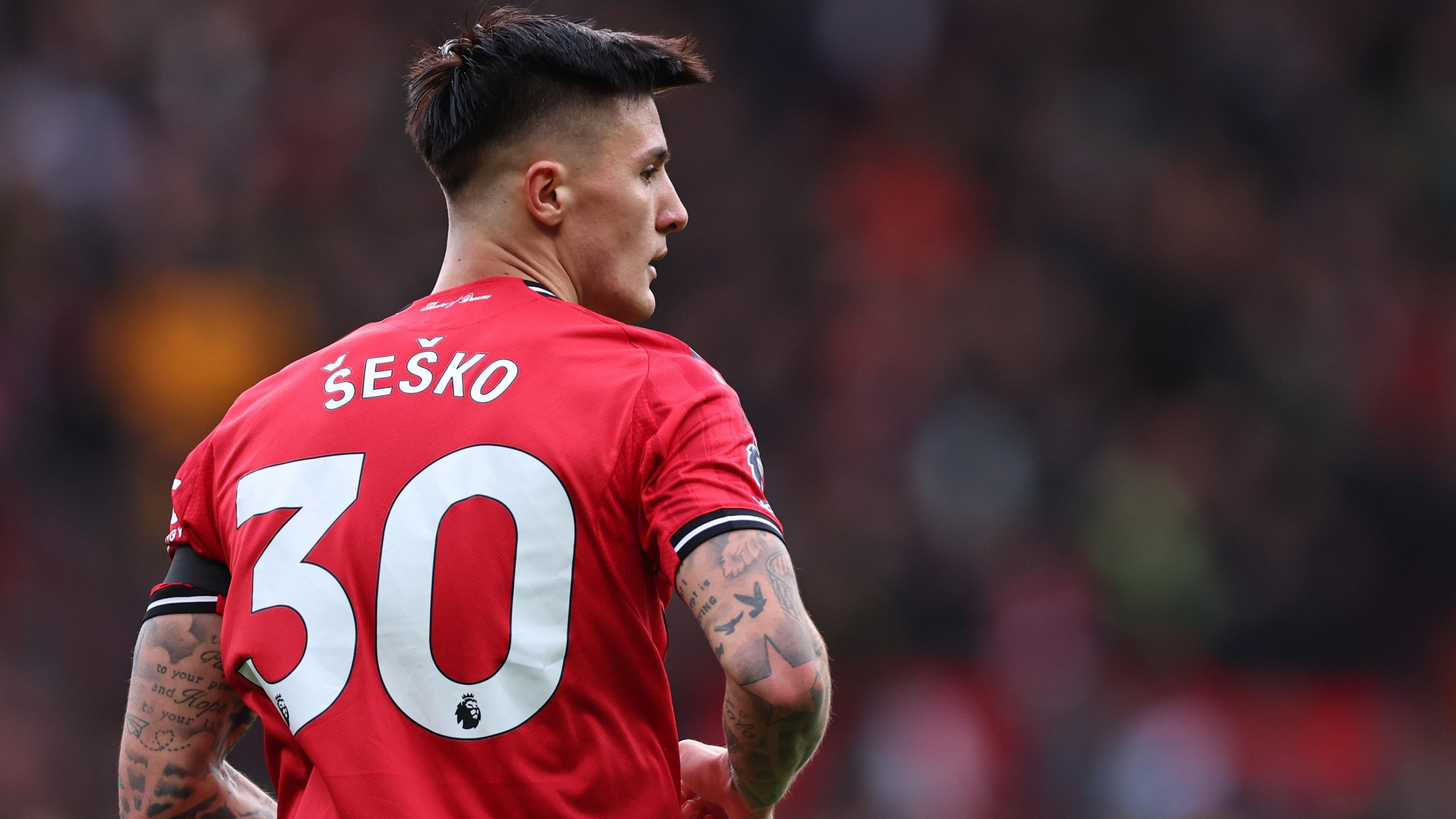
Carrick’s side managed the game astutely, drawing fouls to break Palace’s rhythm and using time-wasting tactics judiciously. This composure prevented a late equalizer, despite Palace’s desperate pushes with 10 men. The final minutes showcased improved mentality, a departure from earlier seasons’ frailties.
Implications for the Premier League Standings
This victory elevated Manchester United to third place with 51 points from 28 matches, level with Aston Villa but ahead on goal difference (+12 vs. +8). Arsenal lead with 64 points, followed by Manchester City on 59, intensifying the top four race. Manchester United’s climb, aided by Villa’s recent defeat to Wolves, provides a psychological boost, signaling resilience in pursuit of Champions League qualification.
The result drops Palace to 14th with 35 points, 10 clear of relegation but highlighting their struggles. Psychologically, this win reinforces Manchester United’s unbeaten streak under Carrick now 11 league games potentially influencing rivals like Liverpool, who sit fifth on 48 points. For the standings, it tightens the mid-table while United eye consistency to challenge the top two.
Lingering Concerns Despite the Victory
Despite the comeback, United’s first-half vulnerabilities remain a concern, with only 38% of defensive duels won early on. The reliance on a red card to spark the turnaround questions their ability against full-strength opponents. Additionally, Luke Shaw’s first-half injury, a foot issue could sideline him for upcoming fixtures, straining defensive options.
Shot efficiency was middling, with an xG of approximately 1.8 from 20 attempts, suggesting wastefulness in front of goal. Palace exposed set-piece weaknesses, a recurring issue with United conceding from corners in three of their last five home games. These structural patterns must be addressed to sustain progress.
Building Momentum: Can United Sustain This Form?
United’s sixth win in seven under Carrick indicates building momentum, with tactical evolution toward higher pressing and vertical play showing promise. Sustainability hinges on integrating players like Sesko consistently and resolving defensive inconsistencies. Forward-looking, matches against Newcastle and top rivals such as Chelsea, Aston Villa and Liverpool will test this form, potentially securing a top-four finish.
The psychological lift from overtaking Villa could foster belief, but injuries and fixture congestion loom. If Carrick maintains this trajectory, United’s return to Champions League football appears feasible. For deeper insights into United’s recent tactics, consider our previous analysis on their Everton victory.
Manchester United’s 2-1 triumph over Crystal Palace exemplifies strategic resilience in the Premier League’s unforgiving top four race. With data underscoring their second-half dominance, 61.1% possession, 20 shots, and seven corners, this win positions them favorably at third. As the season progresses, addressing weaknesses will be key.
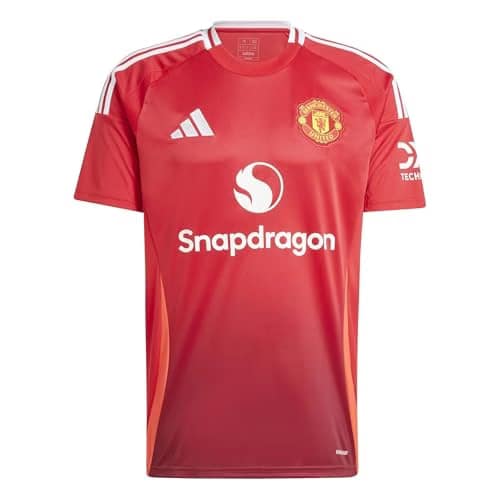
Get adidas mens Manchester United 25/26 Home Jersey JI7428 through my Amazon affiliate link for ladies click here