Manchester United’s FA Cup Fiasco: Brighton Humiliate the Red Devils 2–1 – Exposing the Poisonous Legacy of Ownership Failure
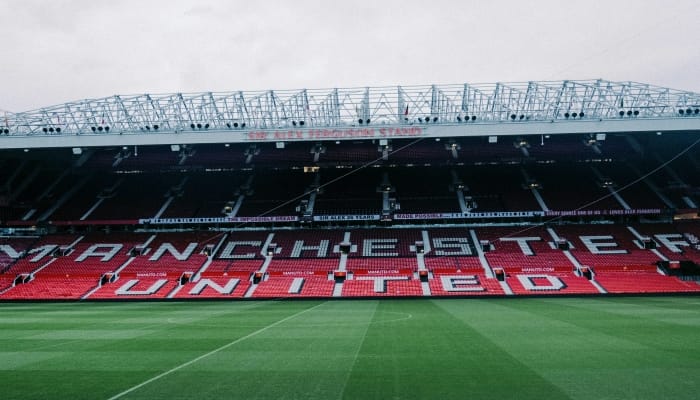
When Old Trafford Feels Like a Mausoleum
There was a time when FA Cup nights at Old Trafford felt sacred. The floodlights carried memory. The pitch carried expectation. Opponents arrived knowing that even on a bad day, Manchester United had the weight of history behind them.
Against Brighton, history meant nothing.
The 2–1 defeat in the FA Cup third round was not shocking. That is the most painful truth of all. It was predictable. The goals. The defensive panic. The emotional collapse. The boos. The empty seats before full-time. The anger aimed not only at players, but upward, toward the directors’ box, toward an ownership model that has hollowed this club out from the inside.
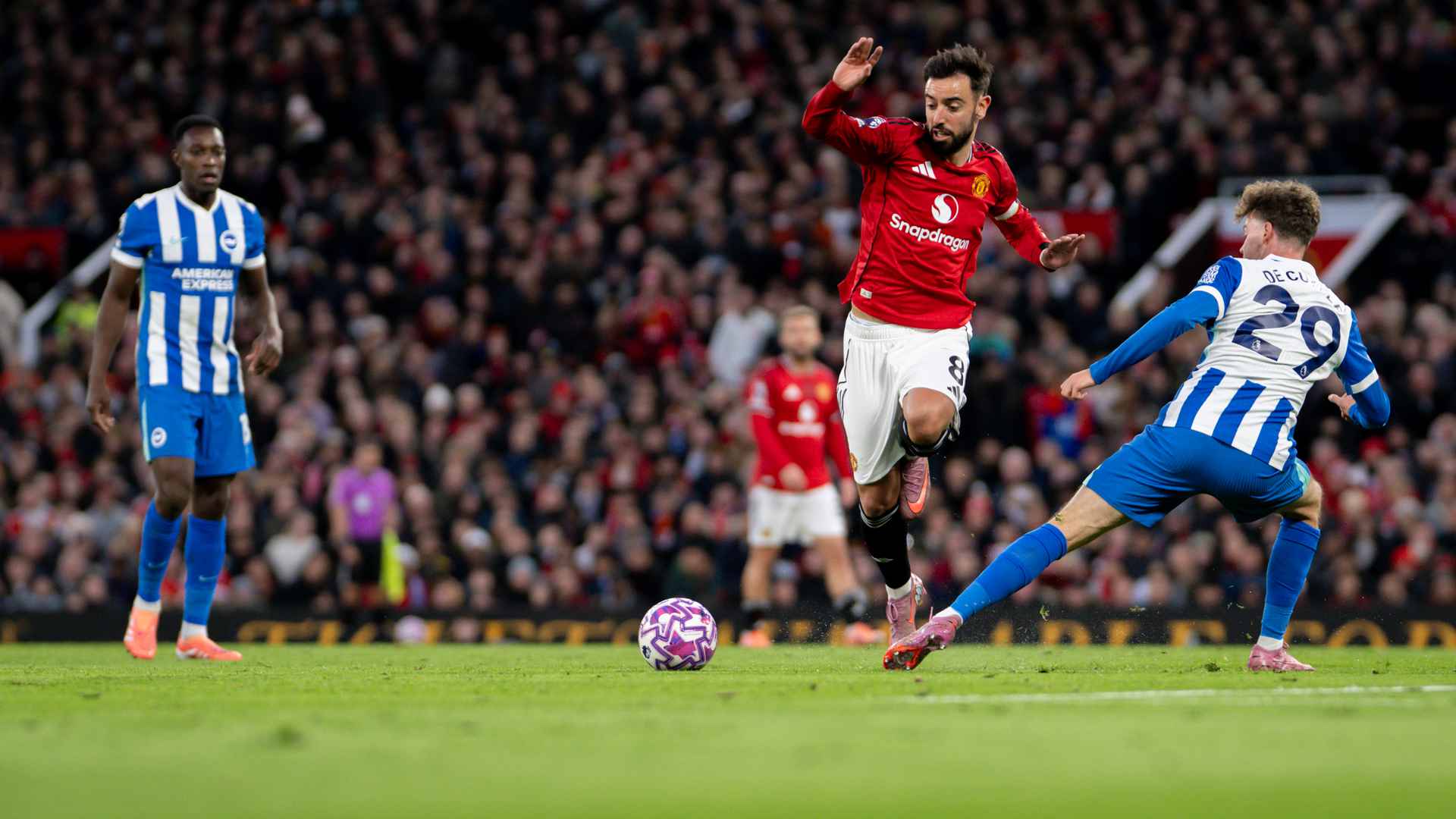
This was not simply a cup exit. It was a reminder that Manchester United are no longer competing with the elite. They are struggling to emotionally survive themselves.
Brighton did not steal anything. They did not fluke anything. They walked into Old Trafford looking like a club that knows what it is. Manchester United looked like a club still searching for an identity two decades after surrendering it.
The scoreboard read 1–2. The reality was far heavier.
Ninety Minutes That Reflected Twenty Years of Decline
The match unfolded exactly as modern Manchester United matches tend to do. There was early energy, driven more by tension than belief. There was possession without authority. There were moments that teased possibility but never developed into sustained control.
Brighton were patient. They did not need to dominate the ball. They only needed to stay organised, because they knew what would come. It always does. A lapse. A miscommunication. A poorly defended transition. One moment when structure dissolves into panic.
When the opening goal arrived, it did not come from brilliance. It came from disorder. A runner not tracked. A space not covered. A defensive line uncertain whether to step or drop. In that hesitation lived the entire modern Manchester United story.
United tried to respond, but their response lacked clarity. Attacks became emotional rather than designed. The ball moved, but the movement had no threat behind it. Crosses arrived without runners. Shots were taken without balance. Brighton remained calm because there was nothing to fear beyond isolated moments.
The second goal felt like confirmation rather than surprise. Again, it emerged from poor spacing and a complete failure to control the second phase of play. It was the kind of goal serious teams simply do not concede, because serious clubs build habits that prevent them.
A late goal gave United hope, but even that hope felt artificial. The body language never shifted into authority. It shifted into desperation. Arguments replaced organisation. Rash decisions replaced composure. And when discipline finally fractured, reducing United to ten men, it felt less like a single mistake and more like the inevitable emotional endpoint of a side that does not know how to suffer together.
Brighton closed the game professionally. United ended it in chaos.
That contrast tells you everything.
This Was Not Bad Luck. It Was Organisational Truth.
There will always be attempts to soften nights like this. The ball did not fall kindly. The chances were there. The margins were fine.
But Manchester United do not live on margins anymore. They live on patterns. And the pattern is collapse.
This club does not lose like elite teams lose. Elite teams are sometimes beaten. Manchester United unravel. They lose their shape. They lose their heads. They lose their collective trust. One setback becomes two. Two become emotional panic. Panic becomes dysfunction.
That is not a form issue. It is not a tactical glitch. It is a cultural condition.
The Brighton defeat looked like dozens before it because the environment producing it has remained unchanged. Players come and go. Managers rise and fall. But the organisational framework stays the same: slow, fractured, commercially obsessed, football-light.
Until that changes, nights like this will not stop. They will simply change opponent names.
The Squad: Built by Contradiction, Not Design
Look at this Manchester United squad honestly and one thing becomes impossible to ignore. It is not the product of a vision. It is the product of years of reaction.
Different managers. Different systems. Different profiles. Different priorities. The result is a group of players who often look like strangers sharing a shirt rather than components of a machine.
There are technicians without platforms. Runners without structure. Leaders without institutional backing. Young players asked to emotionally carry environments that destroy experienced professionals. Senior players who look weighed down by the psychological cost of representing a club that no longer protects those who wear its badge.
Depth remains inconsistent. Balance remains theoretical. Physical robustness comes and goes. Mental strength is rarely present.
When pressure arrives, this squad does not respond as one. It fragments. When setbacks occur, there is no automatic behaviour to fall back on. There is only emotion.
That is not a coincidence. That is what happens when recruitment is not governed by a long-term football authority, but by executive chaos, commercial opportunity, and short-term managerial demands.
Brighton build squads. Manchester United assemble them.
The difference was visible in every phase of this FA Cup tie.
Youth as Exposure Rather Than Development
Perhaps the most tragic aspect of modern Manchester United is how often youth is used as insulation rather than investment.
Young players should be introduced into stability. They should be protected by systems, leadership, and culture. At United, they are often thrown into emotional storms and praised simply for surviving them.
Against Brighton, the younger players did not fail because they lack talent. They failed because they are being developed inside dysfunction. They are being asked to make adult decisions in a football institution that does not know how to behave like one.
Mistakes become magnified. Confidence becomes fragile. And instead of being guided, they are exposed.
This is not how elite clubs create elite footballers. It is how struggling institutions gamble.
The Managerial Cycle: A Theatre That Protects the Wrong People
Manchester United have turned managerial change into performance art.
Each appointment is sold as the beginning. Each dismissal as painful but necessary. Each transition buys time. Each rebuild resets blame.
What never changes is the ownership model overseeing it all.
Managers at United are not building institutions. They are firefighting inside one. They are handed incoherent squads, pressured by expectation, constrained by structures they do not control, and then judged for failing to compensate for all of it.
Some have been flawed. Some have been out of their depth. Some have been victims of impossible contexts. But all have served the same purpose: they have absorbed criticism that should have been directed above them.
The Brighton defeat will restart the carousel conversation. Tactics. Identity. Philosophy. But those conversations are convenient because they keep the real one distant.
Manchester United do not need another tactical saviour. They need a football structure capable of sustaining one.
Brighton as a Warning, Not an Example
Brighton are not rich. They are not historic. They are not global.
They are competent.
They have recruitment coherence. They have sporting continuity. They have clarity between boardroom and bench. They lose players and replace profiles. They change managers and retain identity.
They did not beat Manchester United because they were lucky. They beat them because they were functional.
That is the most devastating comparison of all.
Because once functionality beats mythology, mythology dies.
Ownership: The Uncomfortable Centre of Every Honest Conversation
No serious examination of Manchester United’s decline can avoid the truth at its core.
This football club has been financially and structurally mismanaged for twenty years.
The leveraged takeover reshaped priorities. Servicing debt became a permanent expense. Football became a department rather than the purpose. Commercial growth exploded while sporting infrastructure lagged. Facilities aged. Decision-making bloated. Executive authority drifted away from football expertise.
Money has been spent. That is often used as defence. But money without structure is not ambition. It is waste.
Elite clubs invest into systems: recruitment departments, data infrastructure, medical evolution, youth pathways, coaching ecosystems. Manchester United invested into market opportunities and individual bets.
Even recent partial change has so far produced more symbolism than transformation. Restructures without identity. Statements without clarity. Movement without vision.
The Brighton defeat did not happen because of one team selection or one missed chance. It happened because Manchester United remain an institution trying to function like a modern football club without being run like one.
The Emotional Damage to the Fanbase
The most tragic consequence of this era is not league positions. It is expectation erosion.
Manchester United supporters no longer measure seasons by trophies. They measure them by embarrassment avoidance.
That is catastrophic.
Defeats used to hurt because they were rare. Now they numb because they are expected. Hope does not surge. It flickers. Anger does not explode. It simmers.
The boos at full-time against Brighton were not dramatic. They were exhausted.
They were the sound of a fanbase that has learned not to be surprised by collapse.
Protests continue not because supporters enjoy them, but because they see no other lever. No football argument has moved ownership. No sporting humiliation has forced evolution.
So the anger turns structural. And it will not disappear.
The Lie of the “Quick Fix”
Every failure at Manchester United now triggers the same vocabulary. Rebuild. Reset. Restart. New era.
But eras are not announced. They are constructed.
The glory years were not accidents. They were built on ruthless standards, football-led governance, internal stability, and obsession with competitive excellence.
Those foundations no longer exist.
And until they do, signings will fail differently. Managers will fall in different orders. Seasons will collapse in different months.
But collapse will remain.
This Was Not an Upset. It Was a Statement.
The 2–1 FA Cup defeat to Brighton will not define Manchester United’s history. But it perfectly defined their present.
A team without authority. A squad without protection. A culture without resilience. An ownership model without accountability.
Manchester United are not unlucky. They are underbuilt.
They are not cursed. They are compromised.
The glory days are not sleeping. They are locked behind structures this ownership has shown no ability to create.
And until that changes, defeats from teams such as Brighton will not be an anomaly.
They will be a mirror.