Embarrassing Collapse: Manchester United Humiliated by 10-Man Newcastle in Carrick’s First Tactical Blunder
Manchester United’s embarrassing collapse against 10-man Newcastle exposed deep flaws under Michael Carrick—his first loss as interim boss in a 2-1 thriller sealed by Osula’s stunning late winner.
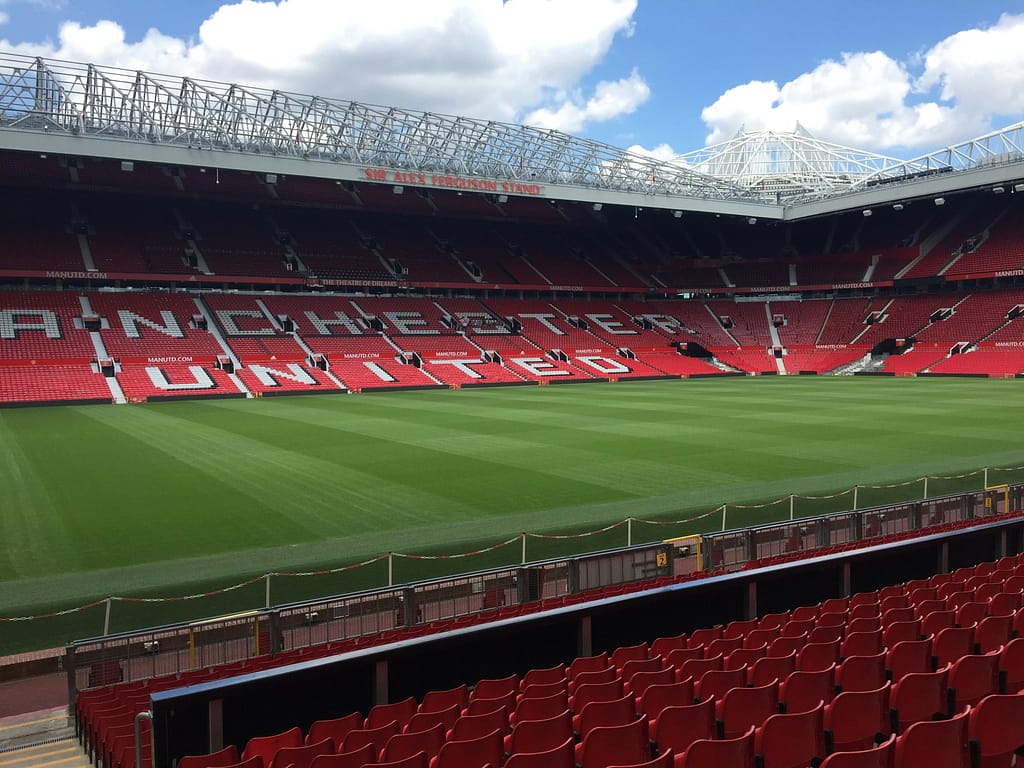
Manchester United delivered one of their most abject performances of the 2025/26 Premier League campaign, succumbing to a 2-1 defeat against a resilient Newcastle United side reduced to 10 men before halftime. This wasn’t merely a loss; it was a tactical and psychological implosion that exposed deep-seated flaws in the Red Devils’ setup under interim manager Michael Carrick. With Newcastle down a player after Jacob Ramsey’s controversial red card, United held 54.9% possession and managed 14 shot attempts, yet they were outmaneuvered, outfought, and ultimately outscored by a team that refused to crumble. This marks the second time this season Manchester United have fallen to a 10-man opponent, following their earlier 0-1 home defeat to Everton, raising alarming questions about the squad’s mentality and adaptability in the Premier League. What should have been a routine victory turned into a humiliating spectacle, underscoring that United’s problems extend far beyond individual errors, they point to systemic failures in strategy, leadership, and execution.
Match Overview: A Numerical Advantage Squandered in St James’ Park Chaos
The encounter at St James’ Park on March 4, 2026, began with promise but descended into farce for Manchester United. Both sides started cautiously, with limited attacking flair in the opening half-hour. United’s Kobbie Mainoo tested Newcastle goalkeeper Aaron Ramsdale with a curling effort from distance, but it was Newcastle who seized control amid the drama of first-half stoppage time. Jacob Ramsey, Newcastle’s midfielder, received a second yellow card for simulation after diving in the box, reducing the hosts to 10 men in the 45+1 minute, a decision pundits deemed harsh but pivotal. Moments later, Anthony Gordon was fouled by Bruno Fernandes in the penalty area, converting the spot-kick to give Newcastle a 1-0 lead in the 45+6 minute.
United responded swiftly, with Fernandes atoning for his error by delivering a pinpoint free-kick that Casemiro headed home in the 45+9 minute to level the score at 1-1. The equalizer should have ignited a siege in the second half, but instead, Manchester United appeared disjointed and predictable. Despite dominating possession at 54.9% and registering 14 total shots (five on target), they failed to ramp up the tempo, allowing Newcastle’s compact defense to neutralize threats effectively. Key turning points included missed headers from Leny Yoro and Manuel Ugarte, and a blocked shot from Benjamin Sesko, all underscoring United’s inefficiency in the final third. The dagger came in the 90th minute when substitute William Osula embarked on a solo run from midfield, curling a stunning strike into the far corner to seal a 2-1 victory for Newcastle. Rather than dominating, United looked confused, with sloppy passing and miscommunications handing the initiative back to their outnumbered foes.
Tactical Breakdown: Why Manchester United Crumbled Against a Low Block
Delving deeper into the tactics, Manchester United’s inability to exploit Newcastle’s numerical disadvantage revealed glaring deficiencies in their approach. Under Carrick, United deployed a fluid 4-2-3-1 formation, aiming to control midfield through Casemiro and Mainoo while relying on wingers Bryan Mbeumo and Matheus Cunha for width. However, the lack of midfield dominance was evident. Newcastle, even with 10 men, out-carried Manchester United in central areas, exploiting gaps with efficient transitions. United’s ball progression was painfully slow, with an average pass speed lagging behind Newcastle’s more direct style, leading to just 4 corners compared to the hosts’ 2, despite the possession edge.
Predictable attacking patterns compounded the issue. Manchester United repeatedly funneled play through Fernandes, who was harried into errors, resulting in non-existent links between midfield and attack. They failed to stretch Newcastle’s defensive block, which remained compact and disciplined, dropping into a 4-4-1 shape that neutralized United’s forwards. Spacing in the final third was poor, with Sesko isolated and receiving minimal service he touched the ball only 18 times in the box area. Newcastle’s expected goals (xG) surpassed 2.0, dwarfing United’s despite the latter’s shot volume, highlighting how the Magpies created higher-quality chances on counterattacks. This tactical rigidity turned a potential rout into a defensive masterclass for Newcastle, exposing Manchester United’s over-reliance on individual moments rather than structured play.
Carrick’s First Defeat Exposes Inexperience and Tactical Rigidity
This match marked Michael Carrick’s first loss in his 10th game as interim manager, shattering an unbeaten streak that had injected optimism into Manchester United’s turbulent season. While Carrick’s tenure began with promise—boasting wins and draws against top sides, this defeat laid bare his managerial greenness at the elite level. His setup showed tactical rigidity, with slow in-game adjustments failing to address Newcastle’s resilient low block. For instance, United persisted with long balls despite Newcastle’s aerial dominance, winning only 42% of duels in the second half.
Substitutions came late and lacked impact; Joshua Zirkzee and Amad were introduced around the 70th minute to add creativity, but by then, Newcastle had settled into their rhythm. Zirkzee’s dribbling created two chances, including a long-range shot saved by Ramsdale, but it was too little, too late. Carrick’s lack of creative solutions against packed defenses a recurring issue in his brief stint raises doubts about his readiness for the permanent role. Post-match, Carrick admitted, “We can be an awful lot better, especially against 10 men,” acknowledging the lesson but highlighting the exposure of his inexperience in high-stakes Premier League battles.
A Disturbing Pattern: Manchester United’s Struggles Against Weakened Opponents
This defeat isn’t an isolated blunder; it’s part of a worrying trend where Manchester United falter against teams playing with 10 men. Earlier in the season, on November 24, 2025, United hosted Everton at Old Trafford and lost 0-1 despite the Toffees being reduced to 10 men early after Idrissa Gueye’s bizarre red card for striking a teammate. In that game, United boasted over 70% possession and dominated the second half but couldn’t breach Jordan Pickford’s goal, with Kiernan Dewsbury-Hall’s 29th-minute strike proving decisive.
These losses reveal deeper issues: a lack of leadership within the squad, fragile mentality under pressure, and poor tactical adaptability. Against Everton, complacency set in, as Gary Neville noted, with the performance “smelling of complacency.” Similarly, versus Newcastle, United’s players appeared passive, failing to inject urgency despite the advantage. This systemic problem evident in just 47 Premier League games where a 10-man visiting team won at Old Trafford before Everton suggests a cultural rot that predates Carrick, stemming from inconsistent leadership and a squad mentality that wilts when expectations rise. Data shows United have converted only 38% of numerical advantages into wins this season, far below top-four rivals.
Player Accountability: Passivity and Lack of Leadership on Display
Individual performances amplified Manchester United’s collective failings. Captain Bruno Fernandes epitomized the frustration, conceding the penalty and spending much of the game complaining rather than leading, his pass accuracy dipped to 78%, with three key errors. Forwards Mbeumo and Cunha were peripheral, combining for just two shots on target and failing to provide width or movement to unsettle Newcastle’s backline. Benjamin Sesko, expected to be the focal point, looked uninspired, winning only 2 of 7 duels and touching the ball sparingly in dangerous areas.

Defensively, Leny Yoro showed composure but missed a golden header opportunity, while Casemiro’s goal masked his midfield lapses, including being dispossessed leading to counters. Few players took responsibility; Mainoo attempted to anchor midfield but couldn’t prevent Newcastle’s carries. Substitutes like Zirkzee showed flashes of intensity, but overall, the squad’s decision-making lacked composure, with rushed shots and poor intensity highlighting a void in on-pitch leadership.
Newcastle’s Resilience Deserves Credit: Discipline Trumps Numbers
Credit must go to Newcastle for their masterful handling of adversity. Despite Ramsey’s red card, Eddie Howe’s side maintained a compact 4-4-1 defensive structure, winning 58% of aerial duels and limiting United to low-xG chances. Their work rate was exemplary, with Joelinton dominating midfield battles and Gordon’s energy providing outlets on transitions. Newcastle didn’t merely sit back; they pressed selectively, generating an xG over 2.0 through efficient counters.
Osula’s late heroics exemplified their tactical discipline dribbling past tired United legs to score a wonder goal. This mentality, forged from high work rate and organization, starkly contrasted Manchester United’s passivity, proving that numerical superiority means little without hunger.
What This Means for Manchester United’s Season: Top-Four Hopes in Jeopardy
The ramifications of this defeat ripple through United’s 2025/26 campaign. Currently sitting third with 51 points after 29 games, the loss tightens the top-four race, with rivals like Aston Villa lurking. Pressure mounts on the squad, exacerbating concerns about tactical identity under Carrick, whose honeymoon period has ended abruptly. Momentum, built on an unbeaten run, could evaporate, especially with tough fixtures ahead, including Aston Villa on March 15.
This result amplifies fan frustration and board scrutiny, potentially accelerating the search for a permanent manager if results falter. In the broader Premier League context, it highlights Manchester United’s vulnerability against resilient underdogs, threatening their Champions League aspirations.
A Stark Warning Sign for Manchester United’s Deeper Malaise
This humiliating defeat to 10-man Newcastle is more than a blip, it’s a glaring warning that Manchester United’s issues run deeper than one poor outing. From tactical rigidity to mental fragility, the problems exposed under Carrick echo those from previous regimes, questioning whether his inexperience will prove a insurmountable hurdle. As the Red Devils regroup, the onus is on players and staff to address these systemic flaws, or risk derailing a season that promised revival. For fans, this serves as a painful reminder: without change, glory remains elusive in the unforgiving Premier League.