Manchester United’s Reluctance to Splash the Cash: Why Michael Carrick Won’t Get Big January Signings
Manchester United’s hierarchy has confirmed no major signings are planned in the January 2026 transfer window despite appointing Michael Carrick as interim head coach.
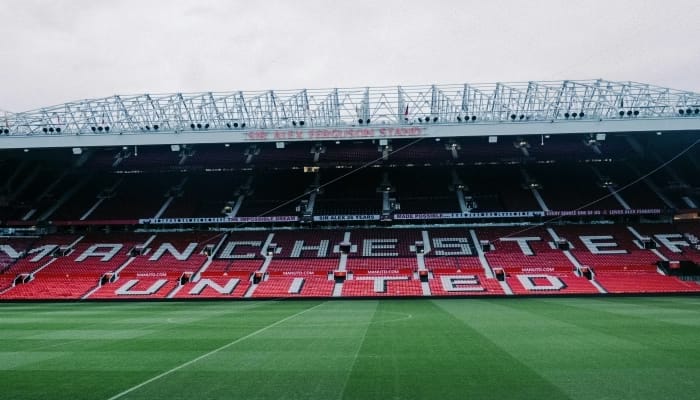
Manchester United are navigating yet another managerial transition. Ruben Amorim’s abrupt sacking after a dismal run of form and reported clashes with the hierarchy paved the way for a familiar face: Michael Carrick. Appointed as interim head coach until the end of the 2025/26 season, Carrick steps into the breach with a mandate to stabilize a ship that’s been listing dangerously in mid-table obscurity. Yet, amid the optimism surrounding his return—bolstered by his brief but unbeaten caretaker stint in 2021—transfer gossip paints a sobering picture. United aren’t expected to make major signings this January, leaving Carrick to marshal the existing squad through a grueling second half of the campaign. This decision, while pragmatic on paper, raises profound questions about the club’s strategy, financial health, and long-term vision.
As a former midfield maestro who won everything at Old Trafford during his playing days, Carrick brings a deep understanding of Manchester United’s DNA. His appointment, edged out over club legends like Ole Gunnar Solskjaer and Ruud van Nistelrooy, was driven by his leadership qualities and familiarity with the dressing room. Sources close to the club highlight his support from players who remember his coaching under Jose Mourinho and Solskjaer. But why, in a season where United sit perilously close to missing out on European football—potentially costing tens of millions in revenue—would the board withhold significant backing in the transfer market? We dive into the multifaceted reasons behind this stance, analyzing financial constraints, strategic priorities, player availability, historical patterns, and the inherent risks of an interim setup. Drawing on recent reports and expert insights, we’ll unpack how this could shape Carrick’s tenure and United’s fortunes.
The Financial Imperative: Navigating PSR and Past Mistakes
At the heart of Manchester United’s January caution lies a stark financial reality. The Premier League’s Profit and Sustainability Rules (PSR), formerly known as Financial Fair Play, have cast a long shadow over clubs’ spending habits. United, under the partial ownership of INEOS and the lingering influence of the Glazer family, have been vocal about avoiding the pitfalls that plagued previous regimes. Overspending in panic-driven January windows has historically led to bloated wage bills and underperforming assets—think of the ill-fated signings like Alexis Sanchez or the rushed deals under Ed Woodward’s watch.
Recent analyses underscore this shift. The club’s hierarchy, led by CEO Omar Berrada and director of football Jason Wilcox, has emphasized fiscal prudence to safeguard summer plans. As one report notes, any January incomings would likely be dictated by outgoings, with no appetite for loans without buy obligations. This isn’t mere penny-pinching; it’s a calculated response to the economic pressures of modern football. United’s net spend in the 2025 summer window was already substantial, with investments in players like Muemo, Sesko and Matheus Cunha pushing the envelope. Diving into January could jeopardize compliance with PSR thresholds, which allow losses of up to £105 million over three years, adjusted for infrastructure costs.
Critics, however, argue this conservatism borders on negligence. Missing Champions League qualification could hemorrhage over £100 million in revenue, dwarfing the cost of a strategic signing. Fan pundits on platforms like X echo this frustration, pointing out that deferring investments from 2025 to 2026 might save short-term cash but risks long-term stagnation. One detailed breakdown highlights how postponing £160 million in squad reinforcements could cost the club £125 million in lost opportunities, labeling it “Glazernomics” at its worst. Yet, the board’s stance reflects a broader INEOS philosophy: build sustainably, not reactively. Berrada, imported from Manchester City, knows the perils of regulatory breaches—witness Everton and Nottingham Forest’s points deductions. For Manchester United, still recovering from years of debt-laden ownership, January restraint is about preserving firepower for a summer overhaul under a permanent manager.
Analytically, this makes sense in a vacuum. Manchester United’s wage bill remains among the league’s highest, and offloading deadwood like underperforming stars could free up funds without new injections. But in the context of a squad crying out for midfield reinforcements—evident in their porous displays under Amorim—it’s a gamble. Carrick, known for his tactical acumen from Middlesbrough, might thrive with the current group, but without fresh legs, fatigue and injuries could exacerbate existing frailties.
Strategic Priorities: Eyes on the Summer Horizon
Beyond finances, Manchester United’s January inaction stems from a deliberate strategic pivot. The club views Carrick’s role as a bridge, not a foundation. Appointed after interviews that prioritized stability over spectacle, his interim status inherently limits bold moves. Why commit to signings tailored to an outgoing coach when a permanent hire—potentially a high-profile name like Gareth Southgate or Carlo Ancelotti—awaits in summer?
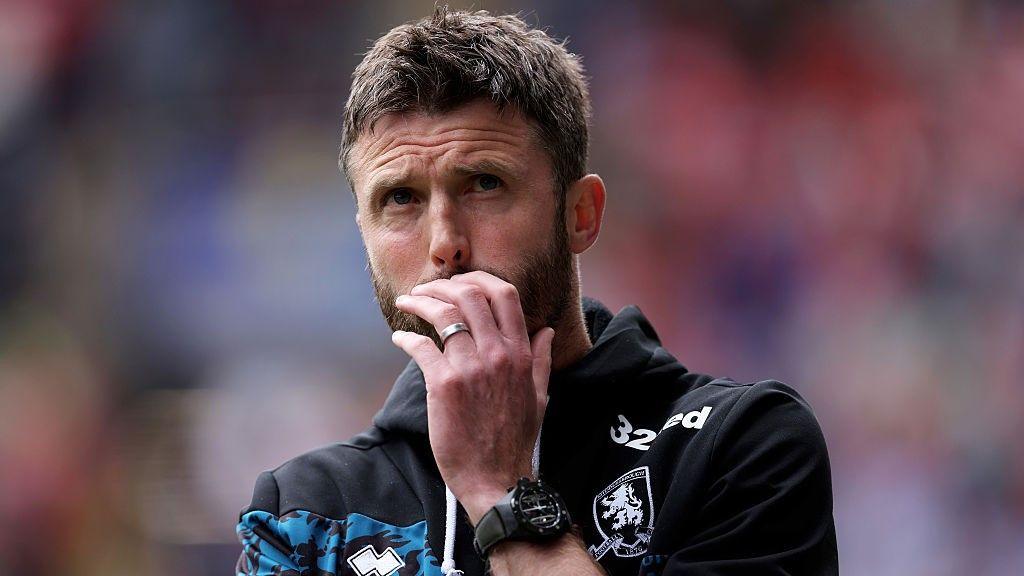
This approach aligns with United’s revamped recruitment model under Wilcox and Berrada. Long-term targets like Crystal Palace’s Adam Wharton, Nottingham Forest’s Elliot Anderson, and Brighton’s Carlos Baleba are midfield dynamos who fit the profile of young, high-potential assets. However, none are realistically available mid-season. Clubs like Palace and Forest, embroiled in their own battles, won’t sanction sales that weaken them now. United’s scouts have monitored these players extensively, but January’s inflated prices and sellers’ leverage make deals prohibitive.
There’s precedent here. Under Amorim, similar hesitance was voiced: he warned of no business unless opportunities arose, citing the need to protect summer budgets. Carrick himself hasn’t pushed for additions, per reports, focusing instead on unleashing underutilized talents like Bruno Fernandes in more advanced roles. His Middlesbrough tenure emphasized attacking football and youth integration, suggesting he might prioritize tactical tweaks over transfers. For instance, repositioning Fernandes centrally could “unleash” him, as one analysis posits, reducing the immediate need for new blood.
Yet, this strategy isn’t without flaws. Manchester United’s current squad lacks depth, particularly in midfield where Casemiro’s decline and Kobbie Mainoo’s inexperience leave gaps. A targeted signing like Al-Hilal’s Ruben Neves—rumored at £20 million—could provide instant ballast, and some outlets suggest funds are available for such opportunistic deals. However, the overriding narrative from insiders is caution: no major moves unless a long-term fit materializes unexpectedly. This patient rebuild, while admirable, risks alienating fans and players alike. If results falter, the dressing room could fracture, echoing past implosions under interim bosses.
Player Availability and Market Dynamics
January windows are notoriously tricky, with premium prices for mid-season movers. United’s targets exemplify this: Wharton, a 21-year-old England hopeful, is integral to Palace’s survival bid; Anderson’s form at Forest makes him untouchable; Baleba’s youth contract at Brighton ties him down. Scouting reports indicate these players align with United’s data-driven approach—high pressing, progressive passing, and durability—but sellers demand exorbitant fees or outright refuse.
Broader market trends amplify this. Post-COVID inflation and PSR have made clubs hoard talent until summer, when budgets reset. Manchester United’s own outgoings, like a potential loan for academy prospect Ethan Wheatley to Bradford City, signal minor tinkering rather than overhauls. Gossip on X reinforces this: no talks with candidates about signings, with the board prioritizing PR over reinforcements. Fans decry this as shortsighted, especially with rivals like Liverpool and Arsenal bolstering squads mid-season historically.
In a broader perspective, pursuing unavailable targets risks suboptimal alternatives—panic buys that flop, like Odion Ighalo’s 2020 loan. United’s hierarchy, scarred by such missteps, prefers waiting. But in a league where margins are razor-thin, this could cost top-four aspirations. A savvy addition might propel them from sixth to fourth, recouping costs via European revenue.
Historical Patterns: Lessons from United’s January Blues
Manchester United’s aversion to January splurges isn’t new. Since Sir Alex Ferguson’s retirement, winter windows have yielded mixed results: Bruno Fernandes’ 2020 arrival sparked a surge, but flops like Wout Weghorst underscore the risks. Under the Glazers, the club has often deferred to summer, citing better value and planning. This pattern persisted under Amorim, who echoed Ferguson’s old mantra: “January is for desperate clubs.”
Yet, history shows inaction can be costly. In 2022, declining to sign a midfielder contributed to a mid-table finish. Today’s parallels are eerie: a struggling squad, managerial flux, and board reluctance. Pundits argue that backing Carrick modestly could mirror Fernandes’ impact, but the club bets on internal solutions.
The Human Element: Impact on Carrick and the Squad
For Carrick, this setup is a double-edged sword. His promise of attacking play could revitalize stars like Fernandes, Mount, Cunha and Sesko. With assistants like Steve Holland and Jonathan Woodgate, he aims to foster unity. But without signings, he’s handcuffed. Midfield vulnerabilities—exposed in losses to Brighton and others—could undermine his authority. Players might view him as a “lame duck,” eroding morale.
Fan sentiment on X is mixed: some laud Carrick’s pedigree, others lament the board’s inertia, calling for protests. If results dip, pressure mounts on INEOS to act, potentially accelerating a permanent hire.
Expert Opinions and Broader Implications
Journalists paint a consistent picture: no reinforcements expected. Pundits react with resignation, noting Carrick’s challenge mirrors past interims. Broader implications? Manchester United risks a vicious cycle: poor form begets no signings, which perpetuates decline. Yet, if Carrick succeeds, it validates the strategy, positioning the club for a strong summer.
A Calculated Risk or Recipe for Regret?
Manchester United’s decision not to back Carrick with big January signings boils down to fiscal discipline, strategic patience, market realities, and historical caution. While analytically sound for long-term health, it gambles with immediate success. Carrick, a club icon, deserves better tools to “change fortunes immediately,” but the board’s vision prioritizes sustainability over spectacle. As the window unfolds, eyes will be on Old Trafford—will restraint pay off, or will it fuel further fan discontent? Only time will tell, but hesitation can be as damning as haste.