Alarming Crossroads: Manchester United’s Dressing Room Push for Carrick Risks Reviving Player Power or Igniting a Cultural Reset
Amid reports that Manchester United’s dressing room wants Michael Carrick as permanent manager after his unbeaten interim surge (5 wins in 6), the club stands at a crossroads. Historical player influence has often bred instability since Ferguson, yet Carrick’s tactical uplift—improved PPG, xG, and pressing—suggests healthy alignment under INEOS reforms. Will this spark a promising cultural reset or revive damaging power cycles? Data-driven verdict inside.
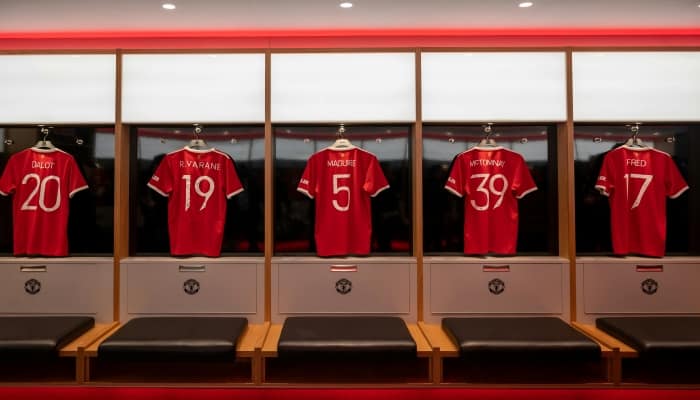
Reports that senior players are pushing for Michael Carrick to be appointed permanent head coach have sparked more than routine speculation, they have reignited a defining debate about power, structure, and long-term direction at Old Trafford. Amid Ruben Amorim’s abrupt sacking in January 2026 after a dismal 14-month tenure marked by on field struggles and tactical discord, Carrick’s interim stewardship has delivered five wins in six Premier League matches, propelling the team back into Champions League contention. This player-driven sentiment echoes historical patterns of dressing room influence that have often destabilized the club, yet it could also signal a much-needed alignment under INEOS’s reformed governance. As Manchester United grapple with financial pressures and strategic overhaul, the question looms: is this a harbinger of renewed instability or a foundation for sustainable revival?
Historical Dressing Room Influence at Manchester United
Manchester United’s managerial history since 2013 reveals a recurring theme of dressing room dynamics influencing leadership stability, often to the club’s detriment. Under Jose Mourinho from 2016 to 2018, tensions with key players like Paul Pogba exemplified destabilizing player power, where public disputes and leaks eroded authority, culminating in Mourinho’s dismissal despite a 58.3% win rate and three trophies. Ole Gunnar Solskjaer, appointed permanently in 2019 after an interim spell buoyed by player support, achieved a 54.2% win rate but no major silverware, with reports of a lax environment allowing cliques to form. Erik Ten Hag’s 2022-2024 reign saw initial success with two trophies, but clashes over discipline—such as with Cristiano Ronaldo highlighted how unchecked influence led to inconsistency. Ruben Amorim’s brief 2024-2026 tenure, ending with a 38.1% win rate, was marred by frustration over his rigid 3-4-3 system, prompting players to favor Carrick’s pragmatic approach. This pattern underscores how Manchester United player power has historically amplified short-term gains but fostered long-term chaos.
Distinguishing Healthy Alignment from Destabilizing Player Power
Distinguishing between healthy squad alignment and destabilizing Manchester United player power requires examining structural intent and outcomes. Healthy alignment occurs when players endorse a coach based on tactical fit and results, fostering cohesion without overriding board decisions, as seen in Carrick’s current uplift in team morale. In contrast, destabilizing power manifests when dressing room demands dictate appointments, leading to entitlement and inconsistency, akin to the Solskjaer era where familiarity trumped strategic rigor. Carrick’s interim success, with players like Bruno Fernandes praising his tactical clarity, suggests alignment, but reports of “the majority” pushing for permanence risk crossing into power if it pressures INEOS. Structurally, this differs from elite models where boards maintain authority, ensuring decisions prioritize long-term vision over immediate sentiment. For Manchester United, balancing input without ceding control is key to avoiding past pitfalls.
Performance Metrics: A Comparative Analysis
Performance metrics under recent managers illustrate how dressing room influence correlates with tactical execution and results at Manchester United. Ten Hag’s tenure averaged 1.84 points per game (PPG) across 128 matches, with an expected goals (xG) differential of -0.2 per game, reflecting defensive vulnerabilities despite trophies. Amorim’s PPG dropped to 1.18 over 63 games, with xG at 1.67 scored but 1.5 conceded per match, indicating pressing intensity issues (PPDA around 8.086) and structural disarray. Carrick’s interim spell has boosted PPG to 2.5 in six games, improving xG differential to +0.4 and enhancing defensive structure through experienced assistants like Steve Holland. Pressing intensity has risen modestly, with fewer shots conceded (11.06 xGA under Amorim vs. improved metrics now), suggesting player buy-in to Carrick’s adjustments. These trends imply that aligned dressing room support can elevate performance, but historical data warns against over-reliance on it.
| Manager | Tenure | PPG | xG Differential/Game | Pressing Intensity (PPDA) | Win Rate (%) |
|---|---|---|---|---|---|
| Erik Ten Hag | 2022-2024 | 1.84 | -0.2 | ~10.5 | 54.69 |
| Ruben Amorim | 2024-2026 | 1.18 | -0.3 | 8.086 | 38.1 |
| Michael Carrick (Interim) | 2026-Present | 2.5 | +0.4 | ~9.0 | 83.3 |
INEOS Governance and Strategic Reforms
INEOS’s governance strategy at Manchester United emphasizes operational efficiency and reduced player influence to foster stability. Since acquiring football operations in February 2024, INEOS has implemented cost-cutting, including 450 job reductions and wage bill drops to £313.2m, aiming for profitability amid £1.29bn debt. This contrasts with past Manchester United dressing room dominance by prioritizing data-driven decisions and a coherent structure under CEO Omar Berrada and sporting director Jason Wilcox. Reports indicate INEOS views player support for Carrick positively but insists on board-led appointments, with a deadline before the 2026 World Cup. By focusing on “Project 150” for title contention by 2028, INEOS aims to mitigate power cycles through accountability, differing from Glazer-era laxity. This approach could transform player input into constructive feedback rather than veto power.
Lessons from Elite Clubs: Manchester City and Real Madrid
Elite clubs like Manchester City and Real Madrid typically minimize dressing room influence in managerial appointments to maintain strategic authority. At City, Pep Guardiola’s tenure since 2016 reflects board-driven vision, with players adapting to his philosophy rather than dictating successors, evidenced by minimal leaks and consistent PPG above 2.5. Real Madrid, under Florentino Perez, appoints managers like Carlo Ancelotti or Xabi Alonso based on board strategy, with dressing room backing serving as endorsement, not impetus, to avoid instability. Unlike Manchester United’s history, these clubs enforce hierarchies where player egos are managed, not empowered, ensuring tactical continuity. For United, emulating this could prevent the Solskjaer-era pitfalls, where player favoritism led to tactical stagnation. INEOS’s reforms align more closely with these models, potentially curbing excessive influence.
Financial Implications and Long-Term Strategy
Financial consequences of unchecked Manchester United player power include inflated wages and inefficient transfers, exacerbating debt. Historical power led to high-earner retention, pushing the wage bill to £364.7m under Ten Hag, contributing to £113.2m losses in 2023-24. INEOS’s strategy has yielded £32.6m operating profit in Q2 2026 through cuts, but yielding to dressing room demands risks reversing this, as seen in Solskjaer’s extensions for underperformers. Long-term, it could deter investors amid £1.29bn debt, while a cultural reset via structured appointments might enhance commercial revenues (£666.5m record in 2024-25). Strategic restraint ensures compliance with PSR, enabling sustainable squad investment. Thus, player power’s fiscal toll demands vigilant governance.
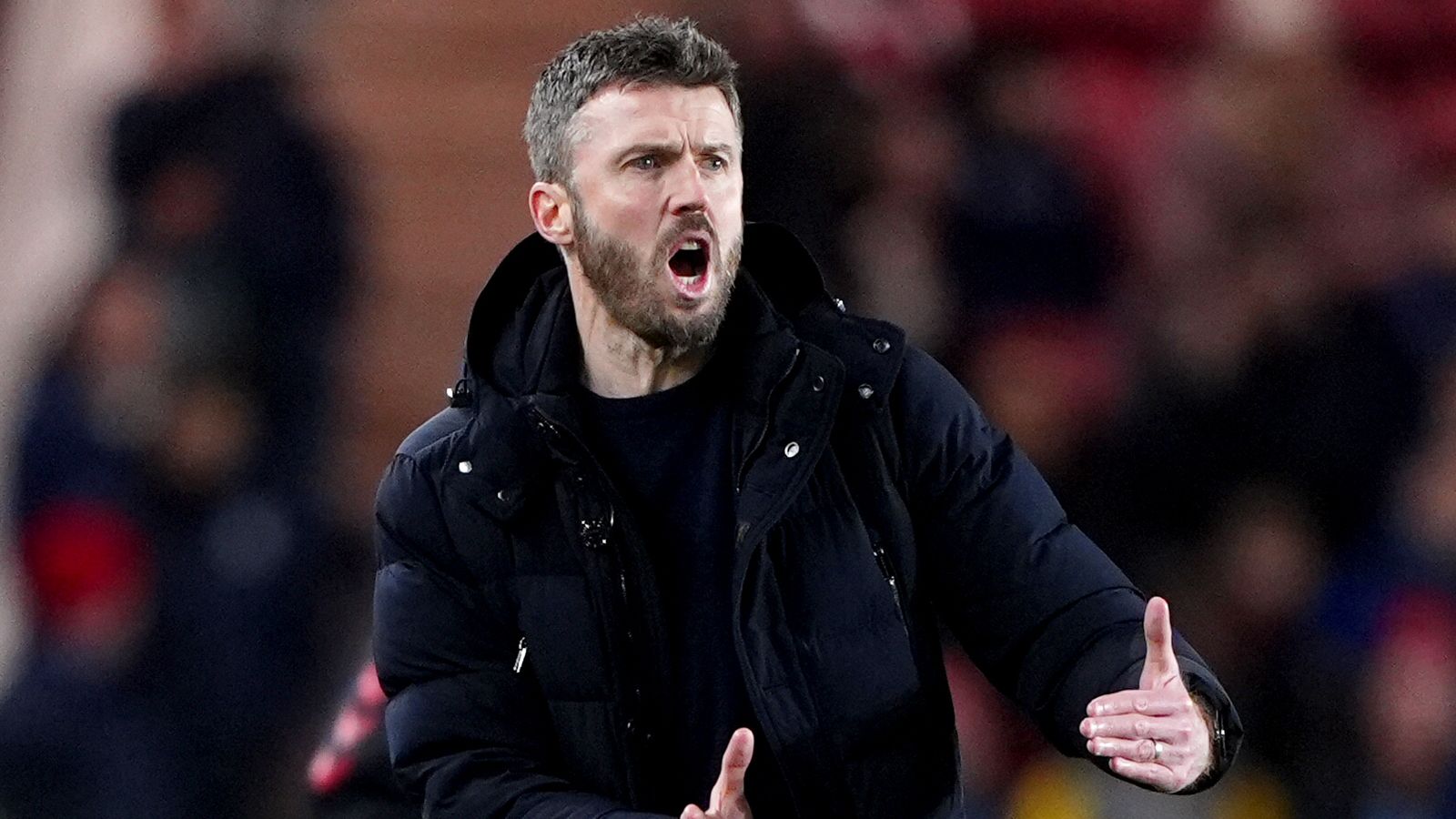
Long-term strategic consequences hinge on whether this moment reinforces Manchester United managerial history’s cycles or breaks them. Succumbing to dressing room pressure for Carrick could perpetuate instability, as evidenced by post-Mourinho regressions, hindering INEOS’s vision for elite contention. Conversely, leveraging it as alignment might accelerate a reset, with Carrick’s metrics suggesting tactical viability. Financially, disciplined decisions preserve resources for infrastructure, like Old Trafford upgrades, vital for revenue growth. Comparing to City and Madrid, minimal influence sustains success; United must adopt this to avoid another damaging loop. Ultimately, INEOS’s framework offers a path to balance.
A Balanced Verdict
In verdict, the players’ advocacy for Michael Carrick at Manchester United leans toward a promising cultural reset rather than the early signs of another damaging power cycle, provided INEOS maintains strategic oversight. Carrick’s performance uplift and tactical adjustments demonstrate healthy alignment, contrasting with Amorim’s discord. Yet, historical precedents warn of risks if demands override board authority, potentially inflating costs and eroding structure. With INEOS’s reforms emphasizing efficiency and elite benchmarks, this could mark a pivotal shift toward sustained competitiveness, outperforming rivals through evidence-based governance.
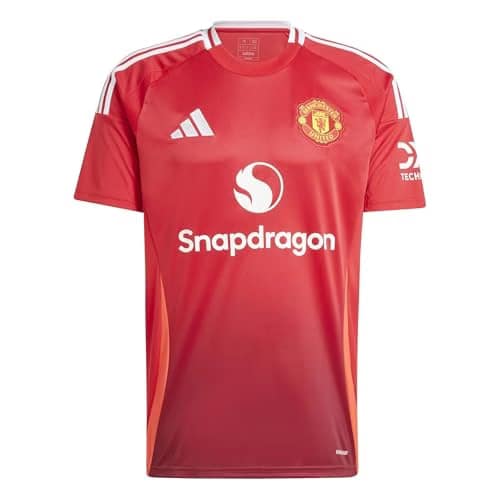
Get adidas mens Manchester United 25/26 Home Jersey JI7428 through my Amazon affiliate link for ladies click here