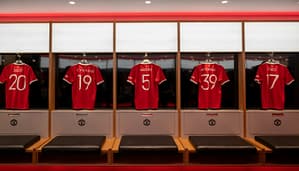
Resilient Reds: Michael Carrick’s Mentality Shift Powers Manchester United’s Comeback Against Crystal Palace
Trailing at half-time, Manchester United roared back to beat Crystal Palace 2-1 under Michael Carrick. This comeback signals unbreakable mentality and tactical steel at Old Trafford.

Manchester United’s 2-1 comeback win over Crystal Palace on March 1, 2026, wasn’t just three points, it was a manifesto. Trailing at half-time for the first time at home under Michael Carrick, the Red Devils flipped the script with a second-half surge that epitomized a burgeoning cultural shift. No longer the fragile outfit prone to capitulation, this iteration of United displayed the grit to grind out results, even when fluency evaded them. This Premier League comeback, orchestrated under Carrick’s watchful eye, signals a deeper transformation: a squad rediscovering the art of resilience in the face of adversity.
Instilling Mental Resilience in the Squad
Carrick’s influence on Manchester United’s mentality is palpable, rooted in his own playing days where composure under pressure was non-negotiable. Since taking the reins, he’s instilled a mental resilience that prioritizes reaction over perfection. Against Crystal Palace, United conceded early, a header from Maxence Lacroix in the fourth minute off a Brennan Johnson corner, yet didn’t unravel. Instead, they absorbed the blow and recalibrated. Carrick’s post-match emphasis on “personality and belief” underscores this shift; the team now views setbacks as opportunities, a stark departure from the defeatist vibes that plagued previous regimes. This mental fortitude is data-backed: under Carrick, Manchester United have earned seven points from three league games after conceding first, including wins over Arsenal (3-2) and Palace, plus a draw with West Ham.
Building Tactical Discipline and Structure
Tactical discipline has been another cornerstone of Carrick’s blueprint, blending structured build-up with adaptive in-game tweaks. In the Palace clash, Manchester United deployed a 4-2-3-1 formation, anchoring the midfield with Casemiro and Kobbie Mainoo to provide defensive steel. This setup allowed for a high-pressing shape in the second half, where United won 24 aerial duels compared to Palace’s 13, and recorded 14 tackles overall. The first half, however, exposed vulnerabilities: a sluggish tempo yielded just 0.12 xG from open play, with Palace’s 3-4-2-1 countering effectively through aggressive pressing that disrupted Manchester United’s rhythm. Palace’s early goal came from a set-piece, highlighting initial lapses in marking, as Lacroix shook off Lenny Yoro to nod home.
Key Moments in the Crystal Palace Tactical Breakdown
The turning point arrived in the 56th minute when Lacroix was dismissed via VAR for hauling down Matheus Cunha, a foul that started outside the box but spilled inside, awarding a penalty. Bruno Fernandes converted coolly, sending Dean Henderson the wrong way to level at 1-1. This red card shifted the dynamics, allowing United to exploit the numerical advantage. Carrick’s in-game adjustments shone here: he urged a more positive approach at half-time, ramping up the pressing intensity to force turnovers. Possession swung to 61% for United, who unleashed 20 shots (11 on target) against Palace’s eight (three on target), generating 2.16 xG to Palace’s meager 0.39.
Impact of Substitutions and In-Game Adjustments
Substitutions further amplified United’s dominance. An early blow came when Luke Shaw limped off in the 22nd minute with injury, replaced by Noussair Mazraoui, who slotted seamlessly into the left-back role while Diogo Dalot remained on the right. Later, Amad Diallo entered in the 74th minute for Benjamin Sesko, adding flair with a thunderous strike saved by Henderson. Palace boss Oliver Glasner responded post-penalty with a double change Chadi Riad for Jørgen Strand Larsen and Evann Guessand for Johnson—switching to a 3-5-2 to bolster defense, but it couldn’t stem the tide. United’s winner arrived in the 65th minute: Fernandes’ deep cross found Sesko, who outmuscled Jaydee Canvot for a bullet header into the bottom corner, his sixth goal in seven appearances.
Forging Defensive Steel Under Carrick
Defensive steel under Carrick has been transformative, turning United into a side that concedes but doesn’t crumble. In this match, despite trailing, they limited Palace to just one corner and 0.69 xG on target, with four interceptions and high pass accuracy of 86% (527/612 passes). Second-half improvements were stark: after a first half where Palace edged xG 0.19-0.34, United flipped it decisively, winning the period 2-0. This resilience echoes Carrick’s own ethos, drawn from his midfield mastery, where duels won (Utd claimed 7 dribbles won to Palace’s 3) translate to on-pitch authority.
Contrasting with Post-Ferguson Struggles to Win Ugly
Comparing this Manchester United to post-Ferguson eras reveals a profound evolution. Under David Moyes, Louis van Gaal, José Mourinho, Ole Gunnar Solskjær, and even Erik Ten Hag, the team often failed to “win ugly.” Home defeats to mid-table sides were commonplace, think 3-1 to Brighton, 2-0 to Palace, 1-0 to Wolves, or 2-0 to West Ham under recent predecessors. In the Ruben Amorim stint just before Carrick, Manchester United scraped only four points from seven games after conceding first, including heavy losses to Arsenal (1-0), Manchester City (3-0), and Brentford (3-1). Those teams lacked the backbone to recover, often collapsing under pressure. Carrick’s version, however, boasts the longest unbeaten league streak after falling behind since November 2020-January 2021, a period under Solskjær that hinted at potential but ultimately fizzled.
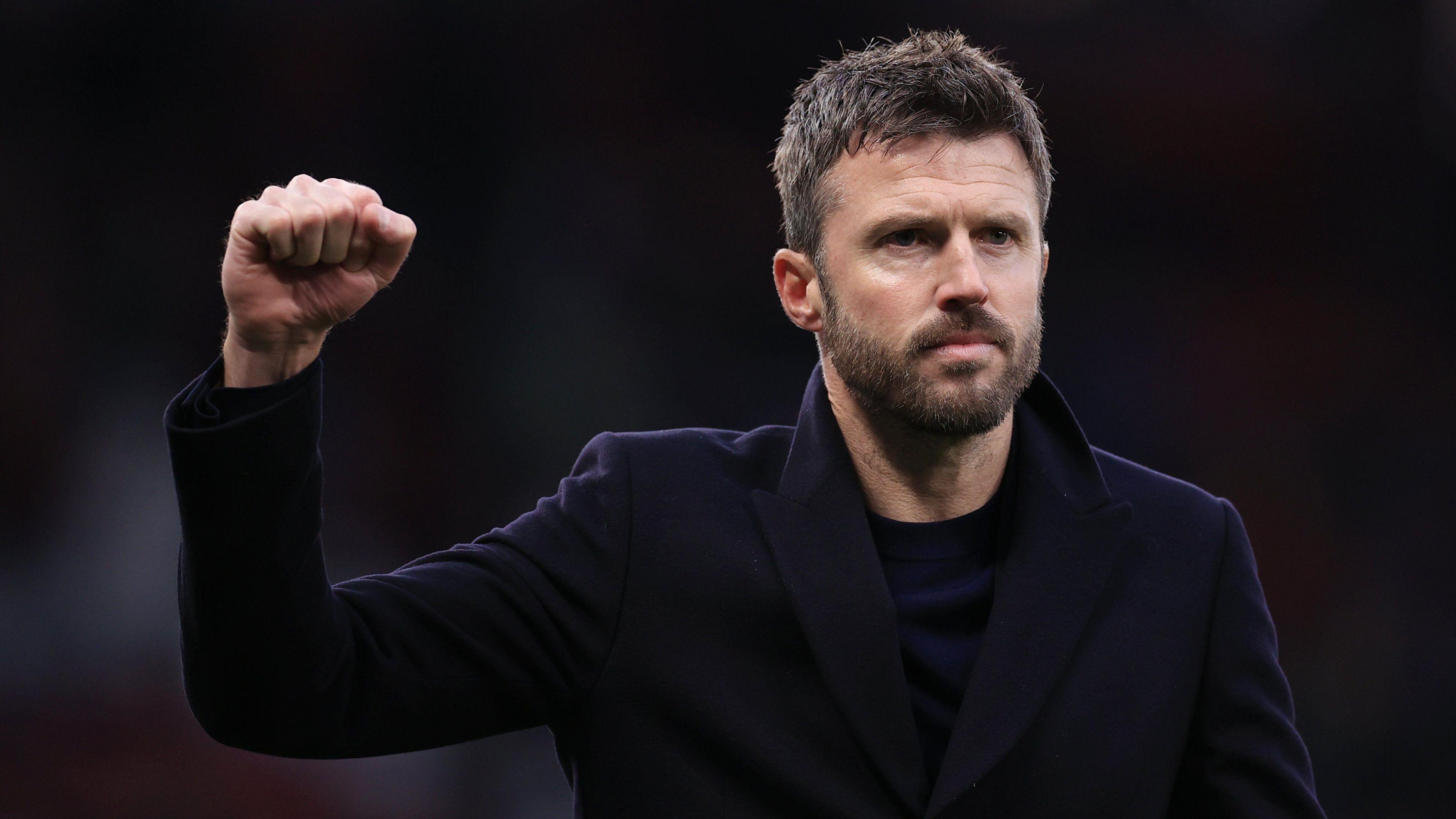
On-Pitch Leadership Driving Mentality Shifts
Leadership on the pitch has been pivotal in this mentality shift, with Bruno Fernandes embodying Carrick’s vision. Rated 8.9 against Palace, Fernandes not only scored and assisted but oozed class, delivering two key passes from corners and cementing his role as the Premier League’s top midfielder. His post-match comments highlighted the win’s character-building nature, the first home half-time deficit under Carrick. Players like Casemiro (7.3 rating, four tackles) and Mainoo (7.0, four interceptions) provide the engine room steel, while Sesko’s super-sub-to-starter arc (7.9 rating, six aerials won) adds offensive bite. This collective leadership fosters a squad-wide belief, where even injuries—like Shaw’s and Harry Maguire’s late substitution—don’t derail momentum.
Assessing Sustainability in the Title Race
The question of sustainability looms in the Premier League title race or, more realistically, the top-four battle. With 51 points from 28 games (14 wins, nine draws, five losses), Manchester United sit third, eight points behind Manchester City (59) and 13 adrift of leaders Arsenal (64). Carrick’s record, six wins in seven, including second-half triumphs over City (2-0), Arsenal (2-1), Tottenham (1-0), Everton (1-0), and now Palace, suggests momentum. Yet, squad holes persist: reliance on Fernandes for creativity (16 key passes team-wide vs Palace) and vulnerability to set-pieces (Palace’s goal) could be exploited by elite sides. The unbeaten run boosts confidence, but fixtures against top rivals such as Liverpool, Aston Villa and Chelsea will test if this grit endures.
Carrick’s Manchester United is no finished product, but the Palace victory underscores a tactical and mental upgrade. Winning when not at your best isn’t luck; it’s the hallmark of champions.
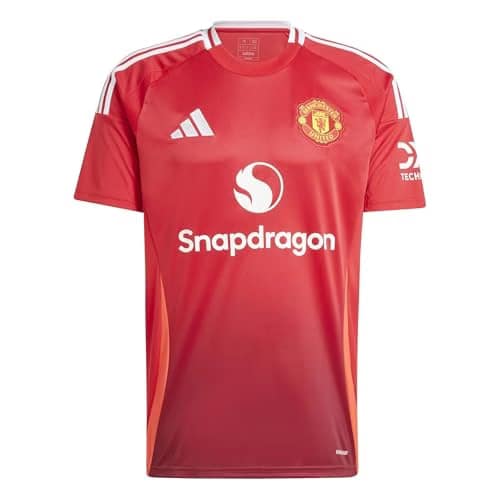
Get adidas mens Manchester United 25/26 Home Jersey JI7428 through my Amazon affiliate link for ladies click here