Club Drama & Inside Stories: Manchester United’s Tactical Leak Saga
A matchday tactical leak has reopened old wounds at Manchester United, exposing deeper issues of trust, control, and culture during Ruben Amorim’s fragile rebuild.
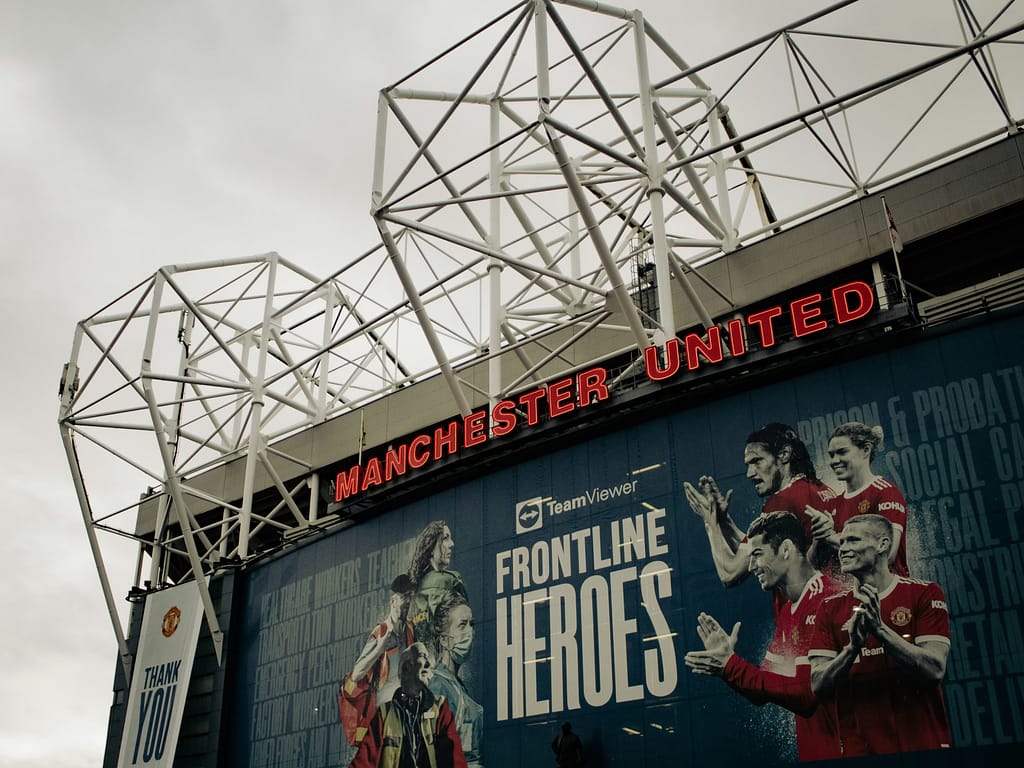
At Manchester United, silence is rare. Even on days when the football should be the only talking point, something behind the scenes often finds a way into the public conversation. The latest example came ahead of United’s Premier League clash with Bournemouth, when details of Ruben Amorim’s tactical plans reportedly surfaced on matchday.
For a club already battling inconsistency on the pitch and scrutiny off it, the leak struck a familiar nerve. Tactical information — formations, player roles, structural changes — is supposed to be among the most tightly guarded assets in elite football. When it escapes, it raises uncomfortable questions: Who is talking? Why are they talking? And what does it say about the internal culture?
Manchester United have seen similar issues under multiple managers, across different ownership structures, and in very different footballing eras. That history is what makes this story resonate beyond a single game or formation tweak.
This article breaks down what was leaked, how Ruben Amorim responded, why the club has launched an internal investigation, and whether this recurring issue genuinely affects United’s performances — or simply reinforces the perception of a club still searching for stability.
The Bournemouth Leak: What Actually Emerged
The leak centred on a significant tactical adjustment by Ruben Amorim. Since arriving at Old Trafford, the Portuguese coach has been closely associated with a three-at-the-back system, often described as a 3-4-3 or 3-2-4-1 — a structure that brought him success at Sporting CP (https://www.sporting.pt).
Against Bournemouth, however, Amorim opted for a back four. The reasoning was logical rather than experimental. With the Africa Cup of Nations approaching, Manchester United were preparing for the temporary loss of key players, including Amad Diallo and Noussair Mazraoui. Their absences required positional reshuffling and prompted a rethink in defensive structure.
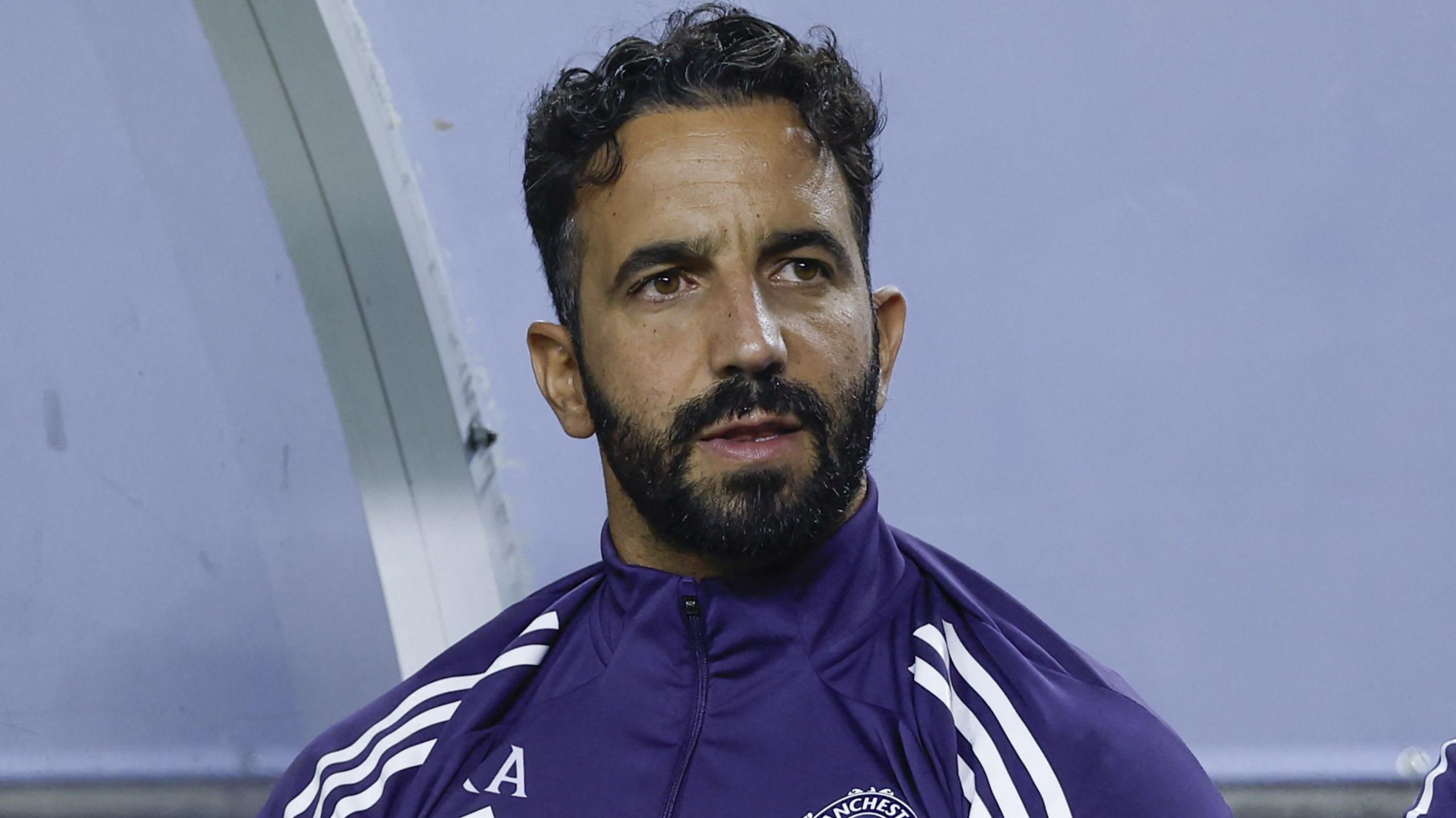
By the afternoon of the match, reports circulating online and in the media outlined the plan in unusual detail. Diogo Dalot was expected to move from a wing-back role into a more conventional full-back position. Leny Yoro was set to operate on the right side of defence, while Luke Shaw would tuck inside, forming a narrower defensive unit.
Depending on game phases, Manchester United were expected to shift between a 4-1-3-2 and a flatter 4-4-2 shape — details precise enough to go beyond educated guesswork. That specificity is what concerned the club. Tactical speculation is normal; accurate previews of internal training-ground work are not.
Bournemouth, managed by Andoni Iraola, are known for their aggressive pressing and adaptability (https://www.afcb.co.uk). Whether or not they directly benefited from the leaked information is impossible to prove, but the concern from United’s side was about opportunity rather than outcome.
The match itself descended into a chaotic but entertaining affair. Manchester United scored four times through Amad, Casemiro, Bruno Fernandes, and Matheus Cunha. Bournemouth responded via Antoine Semenyo and Eli Junior Kroupi, ultimately leaving Old Trafford with a 4-4 draw. For neutrals, it was one of the games of the season. For United, it was another reminder of how fragile control remains.
Amorim’s Reaction: Measured, But Clearly Frustrated
Ruben Amorim’s post-match comments were revealing — not because of what he said explicitly, but because of what he chose not to say.
“I know that you guys know that I trained this week with a back four. I don’t know how, but that is a good thing for you guys to discuss this week.”
The comment was delivered calmly, yet the message was unmistakable. Amorim was aware that information from inside the club had escaped, and he was not pleased. Still, he avoided pointing fingers publicly — a deliberate choice that suggests he understands how quickly blame can fracture a dressing room.
Instead, Amorim refocused on performance and mentality. He spoke about the need to win matches in a way that reconnects supporters with the team, stressing that entertainment alone is not enough at a club of United’s stature.
From a league perspective, the draw nudged United up to sixth, while Bournemouth moved into thirteenth in the table. But tactically, the match exposed the growing pains of a side adapting to new ideas under a coach still embedding his philosophy after arriving from Sporting in November 2024.
Amorim’s challenge is not simply tactical. It is cultural — building trust, discipline, and unity in an environment where leaks have long undermined authority.
Manchester United’s Internal Investigation
Following the Bournemouth game, Manchester United launched an internal investigation into the source of the leak. While the club has made no public statement, multiple outlets have reported that senior figures view the timing — information emerging on matchday — as particularly serious.
At elite clubs, tactical secrecy is protected through restricted access, compartmentalised information, and strict internal protocols. A breach suggests either carelessness or discontent — neither of which reflects well on a club trying to rebuild credibility.
This is not the first time United have faced such concerns this season. In December 2024, reports emerged that the starting XI for the Manchester derby had been leaked nearly 20 hours before kick-off, prompting speculation about another internal probe. While the club later denied an investigation, the recurrence has fuelled suspicion.
The current inquiry is reportedly focused on tightening information flow rather than immediate punishment. United are aware that aggressive internal crackdowns can sometimes worsen the very divisions they are meant to fix.
A Long-Standing Problem at Old Trafford
Leaks at Manchester United did not begin with Ruben Amorim. Nor did they start under the current ownership structure.
Erik Ten Hag regularly battled reports of dressing-room unrest, many of which appeared shortly after disciplinary decisions. Ole Gunnar Solskjaer frequently saw team selections published online hours before matches. Jose Mourinho openly complained about internal briefings undermining his authority, both at United and elsewhere (https://www.chelseafc.com).
Even Sir Alex Ferguson, despite his famously tight control at Carrington, was not entirely immune. Accurate line-up predictions occasionally surfaced on fan forums, though success on the pitch ensured they rarely became a major talking point.
This pattern suggests a structural issue rather than an individual one. In modern football, information leaks can originate from players, agents, support staff, or even casual conversations that snowball once they reach social media. Platforms like X and WhatsApp have made confidentiality harder to enforce than ever.
Why Tactical Leaks Matter More Than Fans Think
It is tempting to dismiss leaks as background noise. After all, Bournemouth scored four goals — not exactly evidence of United being tactically outmanoeuvred despite the supposed advantage.
But the real damage happens internally.
Leaks breed suspicion. Players begin to wonder who can be trusted. Coaches become guarded. Preparation time is spent managing narratives rather than refining details. Over time, this erodes cohesion — particularly in squads already undergoing transition.
For United, who are attempting to reset their identity under Amorim, this is especially harmful. While injuries, recruitment, and form fluctuations play larger roles in results, leaks amplify the perception of instability that has followed the club for more than a decade.
In elite sport, marginal gains matter. Research from performance analytics firms such as StatsBomb (https://statsbomb.com) suggests that prior knowledge of opponent structures can marginally improve decision-making in pressing triggers and build-up patterns. It does not guarantee victory, but it can tilt probabilities.
Not Just a Manchester United Issue
It is important to stress that leaks are not unique to Old Trafford.
In 2007, Leeds United captain Dennis Wise famously erupted after a team sheet was leaked before a crucial match. Tony Pulis confronted James Beattie at Stoke City in 2009 over a dressing-room story. West Ham’s relegation in 2003 was clouded by suspicions of internal undermining involving senior players. Aston Villa went as far as banning Fantasy Premier League in 2021 after Jack Grealish’s injury status was revealed through squad changes (https://www.premierleague.com).
These incidents share common traits: frustration, uncertainty, and transitional periods. Leaks flourish where trust is fragile.
Is This a Serious Problem — Or a Symbolic One?
In pure footballing terms, the Bournemouth leak did not decide the result. Execution, defensive lapses, and game management mattered far more.
Symbolically, however, it reinforces a damaging narrative. Manchester United continue to struggle with internal discipline and message control, even as they attempt to move into a new era.
History shows that success can mask these issues. Ferguson’s dominance ensured that minor breaches were forgotten. Until United achieve similar consistency, every leak becomes another data point in the story of dysfunction.
Amorim himself appears realistic. Complete secrecy is almost impossible. Education, cultural buy-in, and shared purpose are more effective long-term solutions than witch-hunts.
The Reflection
Manchester United’s tactical leak ahead of the Bournemouth match is not a crisis in isolation, but it is not meaningless either. It reflects an old habit that continues to surface at inconvenient moments, undermining attempts at renewal.
The club’s response — measured, internal, and focused on prevention — is sensible. Ultimately, however, the real cure lies in results, trust, and a unified direction.
Drama will always surround Manchester United. The challenge for Ruben Amorim is ensuring it fuels performance rather than distraction. If this episode leads to tighter unity and renewed focus, it may yet prove useful. If not, it risks becoming just another chapter in a story fans know all too well.