Manchester United’s Biggest Enemy Is 90s Nostalgia
In this unfiltered opinion piece, a lifelong Manchester United fan unleashes a brutal critique: the club’s post-Ferguson downfall stems from an addiction to nostalgia, endlessly chasing the ghosts of 1999 instead of innovating for 2025. From disastrous transfers like Alexis Sanchez and Paul Pogba to the managerial merry-go-round featuring Moyes, Mourinho, and Solskjaer, discover why United must burn the altar of history to reclaim greatness.
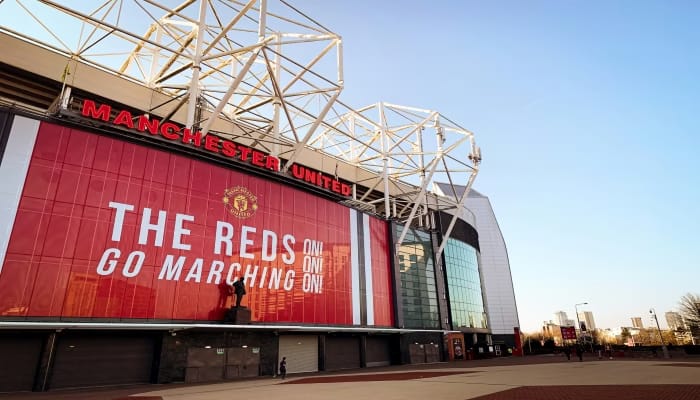
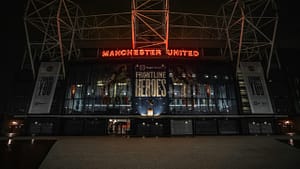
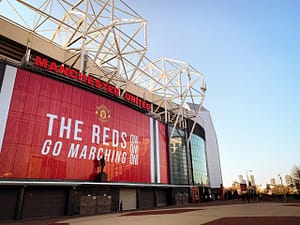
Outside Old Trafford
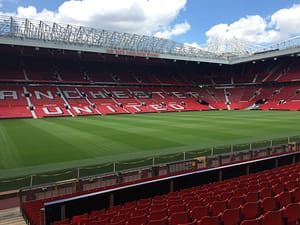
In the hallowed halls of Old Trafford, where echoes of triumph once reverberated like thunder, Manchester United now stumbles through a fog of faded glory. It’s been over a decade since Sir Alex Ferguson stepped down in 2013, leaving behind a legacy of 13 Premier League titles, five FA Cups, and two Champions League crowns. Yet, what should have been a springboard into a new era has become a suffocating straitjacket. The club, its fans, and its decision-makers are hopelessly addicted to nostalgia, chasing the phantom of 1999’s Treble instead of forging a path toward 2025’s realities. This isn’t just a slump; it’s a self-inflicted wound, a delusional romance with the past that’s turned the Theatre of Dreams into a mausoleum of missed opportunities. As a lifelong Red Devil, I love this club with every fiber of my being—but I’m done with the fairy tales. It’s time to face the brutal truth: nostalgia isn’t our ally; it’s our executioner.
The Shadow of Sir Alex: A Legacy That Haunts Rather Than Inspires
Sir Alex Ferguson’s retirement in 2013 marked the end of an unparalleled era, but it also birthed a monster: the impossible quest to replicate his magic. Ferguson wasn’t just a manager; he was an alchemist who turned potential into dominance, instilling a winning mentality that permeated every corner of the club. But in the vacuum he left, United didn’t evolve—they regressed into worshippers at the altar of his memory.
Consider the statistics: In the 12 years under Ferguson from 2001 to 2013, United won eight Premier League titles. Since then? Zero. The club has scraped together a paltry collection of secondary silverware: one Europa League (2017), two League Cups (2017 and 2023), and two FA Cups (2016 and 2024). That’s it. No Champions League finals since 2011, no sustained title challenges. Why? Because every decision reeks of desperation to recapture Fergie’s essence rather than building something new.

Gary Neville, a club legend and vocal critic, has repeatedly hammered this point. In 2022, he lambasted United’s post-Ferguson recruitment as “abysmal,” noting that only a handful of signings have truly succeeded amid a sea of failures. By 2023, Neville shifted blame squarely to the Glazer ownership, arguing that the club’s structural rot—exacerbated by nostalgia-driven choices—has undermined even competent managers. He’s right. The shadow of Ferguson isn’t inspiring innovation; it’s breeding paralysis. We keep hiring managers who promise to restore “United DNA,” a nebulous term that’s code for mimicking the past. It’s madness—a club of United’s stature shouldn’t be defined by one man’s ghost.
Managerial Merry-Go-Round: Chasing Fergie Clones and Failing Spectacularly
The post-Ferguson managerial saga is a tragic comedy of errors, each appointment laced with nostalgic delusion. David Moyes, Ferguson’s handpicked successor, was thrust into the role in 2013 with promises of continuity. He lasted 10 months, sacked after a seventh-place finish—the club’s worst in the Premier League era. Why? He was expected to be Fergie 2.0 without the tools or time.
Then came Louis van Gaal in 2014, a tactical maestro who won the 2016 FA Cup but was axed days later for failing to deliver champagne football. Jose Mourinho followed in 2016, bringing his trophy-winning pedigree and securing the Europa League and League Cup in his first season. Yet, by 2018, internal strife and a third-place finish saw him out the door. Mourinho later quipped that finishing second with United was his greatest achievement, a sarcastic jab at the club’s inflated expectations.
The nadir? Ole Gunnar Solskjaer, the 1999 Treble hero, appointed permanently in 2019 after an interim stint. It was pure nostalgia bait: “Bring back the baby-faced assassin!” Fans swooned over his “United way” rhetoric, but reality bit hard. Solskjaer managed 168 games, the longest post-Ferguson tenure, yet delivered no major titles beyond a League Cup final loss and a Europa League runner-up spot. Sacked in 2021 amid a humiliating run, his era epitomized the danger of romanticizing history—Solskjaer was a feel-good story, not a strategic visionary.
Ralf Rangnick’s interim spell in 2021-2022 exposed the rot, with his “open-heart surgery” diagnosis of the club ignored in favor of more familiar faces. Erik ten Hag arrived in 2022, winning the 2023 League Cup and 2024 FA Cup, but inconsistent league form led to his dismissal in 2024. Now, in November 2025, Ruben Amorim holds the reins, having just claimed the Premier League Manager of the Month for October after a promising start. But as United sit mid-table—currently around 10th based on recent form—the question lingers: Is he building for the future, or just another chapter in the nostalgia novel?
Each sacking costs millions in payoffs, yet the cycle persists because the club craves a Ferguson facsimile. As Neville put it in 2025, reflecting on Liverpool’s smooth post-Klopp transition, “I’ve changed my mind—United’s issues aren’t inevitable; they’re self-made.” Brutal honesty: We’re not cursed; we’re just too in love with yesterday to seize tomorrow.
Transfer Tragedies: Signing Ghosts of Glory and Paying the Price
If managerial missteps are the symptoms, transfer policy is the disease—a chaotic blend of overpaying for hype and chasing players who evoke past stars. Since 2013, United have spent over £1.5 billion on transfers, yet the return? A litany of flops that scream nostalgic blindness.
Take Alexis Sanchez in 2018: Swapped for Henrikh Mkhitaryan from Arsenal, handed a £500,000-weekly wage to revive the “galactico” era. He scored three league goals in 18 months before being loaned out. Paul Pogba’s £89 million return in 2016 was billed as recapturing midfield mastery akin to Roy Keane; instead, inconsistency and off-field drama defined his stint. Angel Di Maria, signed for £59.7 million in 2014, fled after one season, citing a lack of adaptation—another “world-class” name that fizzled.
More recent horrors: Jadon Sancho (£73 million in 2021) exiled after clashing with Ten Hag; Antony (£86 million in 2022), a flashy winger who’s yet to justify the fee; Donny van de Beek (£35 million in 2020), who barely featured before loans and a permanent exit. Even Harry Maguire’s £80 million move in 2019, making him the world’s priciest defender, has been marred by errors and demotions. These aren’t isolated blunders; they’re patterns. United chase “proven winners” or “United DNA” prospects, ignoring data-driven scouting for sentimental splurges.
As one analysis put it, “United’s worst signings post-Ferguson are defined by hype over substance.” Neville’s 2022 critique rings true: “The recruitment has been poor; they’ve only got two right in nine years.” Sarcasm aside, it’s infuriating—while rivals like Manchester City build squads for the future, United hoard relics of imagined glory.
Fan and Media Delusions: Living in the Echo Chamber of 1999
Ah, the fans—we’re part of the problem too. As a frustrated devotee, I’ll admit it: We’re junkies for nostalgia, chanting “Fergie time” during drab draws, romanticizing the Class of ’92 as if they’re saviors. Media amplifies this, with pundits like Neville himself oscillating between criticism and wistful reminiscence.
Social media rants capture it: Posts lamenting “We’ve lost our identity since Fergie,” ignoring that identity was Ferguson himself. The 1999 Treble is invoked like a talisman—Solskjaer’s appointment was fan-service, his sacking a heartbreak. Even in 2025, with Amorim at the helm, forums buzz with “Bring back the old United,” as if teleporting to the past is viable.
Quotes from legends fuel this fire. Sir Matt Busby’s “I never wanted Manchester United to be second to anybody” is timeless, but twisted into entitlement. Realism check: Liverpool didn’t wallow post-Shankly or Dalglish; they reinvented. United? We’re stuck, debating Giggs as interim in 2014 or Carrick in 2021—more nostalgia nods. It’s unhinged: Fans argue over hypotheticals while the club bleeds points.
Ownership and Commercial Chains: Glazers’ Grip on the Past
The Glazers, owners since 2005, embody nostalgia’s dark side—prioritizing commercial nostalgia over sporting progress. Old Trafford crumbles while they milk the brand: £1 billion in dividends extracted, debt piled high. They sell shirts emblazoned with ’99 heroes, but invest sporadically in the future.
Neville’s 2023 tirade nailed it: “The Glazers are the biggest problem since Ferguson— they’ve let the club decay.” Ineos’ partial takeover in 2024 promised change, but by 2025, structural issues persist. Nostalgia keeps fans loyal, buying merch, filling seats—why fix what’s profitable?
The Present Predicament: 2025’s Stark Reality
As of November 2025, United languish in the Premier League’s mid-tier, far from title contention. Amorim’s October surge—earning Manager of the Month—offers hope, but early-season inconsistencies echo past cycles. Wins against lesser sides mask deeper issues: No consistent style, aging squad, youth prospects underdeveloped. It’s 2025—AI scouting, data analytics rule football—yet United clings to gut-feel decisions.
A Fiery Call for Cultural Reset: Burn the Altar, Build the Future
Enough. Manchester United must shatter the nostalgia mirror. Stop worshipping 1999; define 2029. Sack the sentimental hires, embrace ruthless modernity. Fans, demand progress, not flashbacks. Owners, invest in innovation, not dividends. As Neville evolved his view in 2025, so must we: “United’s downfall isn’t fate—it’s choice.” Rise, Reds—let go of the ghosts, or forever dwell in their shadow. The future awaits, if we dare claim it.