Manchester United’s Financial Crossroads: Navigating Debt and Ambition in 2026
Manchester United posted a £32.6m operating profit in H1 2026 amid cost cuts, but £1.29bn total debt—including £422m in transfer fees—signals leverage risks. Champions League qualification could add £100m+; missing it threatens stability.
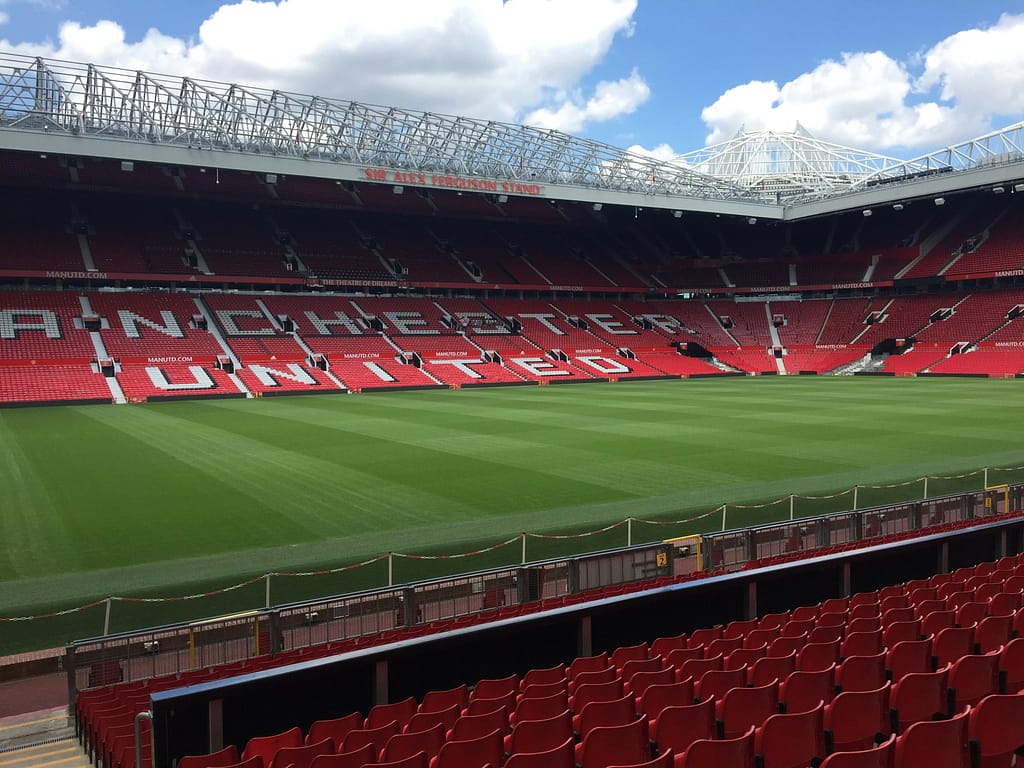
As Manchester United navigates the post-Glazer era under INEOS’s partial ownership, the club’s financial landscape reveals a delicate balance between legacy burdens and strategic renewal. With a staggering £1.29 billion in total debt including confirmed borrowings of approximately £771 million from senior notes, term loans, and revolving facilities, the Red Devils face mounting pressure to deliver on-pitch success. Recent quarterly results show an operating profit of £32.6 million for the first half of fiscal 2026, a sharp turnaround from a £3.9 million loss the prior year, driven by cost-cutting measures. Yet, with revenue projections dipping to £640-660 million for the full year amid no European football, the potential £100 million-plus windfall from Champions League qualification looms as a pivotal factor. This analysis dissects United’s position using verified data from their latest filings and reputable sources, highlighting risks and opportunities in a data-driven lens.
Manchester United Financial Breakdown: Key Metrics and Trends
Manchester United’s balance sheet, as per their Q2 fiscal 2026 report ending December 31, 2025, underscores a leveraged structure. Confirmed gross debt stands at around £771 million, comprising £315.1 million in senior secured notes, £166.2 million in secured term loans, and £290 million drawn from revolving facilities. Net debt, after accounting for £44.4 million in cash equivalents, is estimated at approximately £727 million, though media reports often cite a broader £1.3 billion figure when including transfer obligations and other liabilities. This distinction is crucial: gross debt reflects direct borrowings, while the higher total incorporates operational payables.
Transfers
Transfer fee obligations remain a significant drag, with confirmed outstanding payables of £422 million, of which £238 million is due within the next 12 months. These installments, stemming from deals like those for recent signings, are amortized over contract lengths in the income statement, impacting profitability by spreading costs but creating cash flow pressures. Amortization of player registrations rose to £108.8 million in the first half of fiscal 2026, reflecting heavy squad investment.
Wage Bill
Wage bill trends show a downward trajectory amid INEOS-led efficiencies. In Q2 2026, staff costs fell 9% year-over-year to £75.1 million, down from £89.1 million, despite summer arrivals. Over the past 3-5 years, wages have fluctuated: fiscal 2023 saw £384 million, rising to £399 million in 2024 before dipping to an annualized estimate of around £300-320 million in 2026 based on recent quarters. This reduction aligns with headcount cuts, improving margins but potentially risking squad depth.
Revenue
Revenue breakdown for the first half of fiscal 2026 totaled £330.7 million, down 3.2% year-over-year. Matchday revenue suffered from fewer home games, contributing roughly 20-25% historically but declining in Q2 due to no European ties. Broadcasting, typically 30-40%, fell amid absence from UEFA competitions, while commercial revenue—around 45-50%—dipped 7.8% to £78.5 million in Q2, offset partially by sponsorships. For the full 2024/25 season, Deloitte reports United’s revenue at €793 million (£670 million), with matchday and commercial up £75 million combined but broadcast down £52 million.
| Revenue Category | 2024/25 (Deloitte, €M) | Q2 2026 (£M) | YoY Change (Q2) |
|---|---|---|---|
| Matchday | ~150 (est.) | ~49.5 | -5% |
| Broadcasting | ~206 | ~62.3 (est.) | -4% |
| Commercial | ~437 | 78.5 | -7.8% |
Interest payments, part of finance costs, contributed to a net profit of £4.2 million in Q2 versus a prior loss, aided by currency movements. Refinancing implications are muted, with covenants compliant, but high debt servicing estimated at £40-50 million annually limits flexibility without revenue growth.
Manchester United Cash Flow and Liquidity: Obligations vs. Projections
United’s liquidity position is strained but manageable, with £44.4 million in cash against short-term obligations exceeding £300 million, including £238 million in transfer installments. Net cash outflow from operations improved to £12.7 million in the first half, while investing outflows hit £154.5 million, funded by £130 million in facility draws. Projected full-year revenue of £640-660 million could cover obligations if costs remain controlled, but margins are thin.
Champions League qualification could add over £100 million in prize money and broadcast revenue, per estimates, boosting liquidity significantly versus Europa League (£20-40 million) or no Europe (£0). Without it, cash flow risks intensify, potentially requiring asset sales.
Under Profit and Sustainability Rules (PSR), Manchester United’s headroom is tight but compliant as of latest accounts, with allowable losses capped at £105 million over three years. Recent player sales generated £48.2 million profit, aiding adherence, but UEFA’s squad cost ratio (capping at 85% of revenue from 2026/27) could limit spending to £495-561 million if revenues hit projections.
Manchester United vs. Peers: Debt and Obligations in Context
Compared to elite European clubs, Manchester United’s £1.3 billion total debt (including £422 million transfers) is high but not outlier status. Real Madrid, with €1.18 billion revenue in 2024/25, carries significant borrowings for stadium redevelopment, making it the second-most indebted club per reports, though exact figures are estimated at €500-600 million net debt. Barcelona’s debt exceeds €1 billion historically, mitigated by asset sales like seat licenses, with revenue at €989 million. Bayern Munich, at €861 million revenue, maintains low debt (<€100 million estimated) due to member-ownership.
Among Premier League peers, Arsenal’s financial debt is £342 million, Manchester City’s is minimal (owner-funded equity), while Manchester United’s £547 million financial debt ranks third behind Tottenham and Everton. Transfer obligations for rivals are less transparent: Barcelona and Real Madrid report installments around €200-300 million each (estimates), far below United’s confirmed £422 million.
| Club | Revenue 2024/25 (€M) | Est. Debt (£M) | Est. Transfer Obligations (£M) |
|---|---|---|---|
| Man Utd | 793 | 1,300 | 422 |
| Real Madrid | 1,198 | 500-600 | 200-300 |
| Barcelona | 989 | >1,000 | 200-300 |
| Bayern Munich | 861 | <100 | <100 |
| Arsenal | 822 | 342 | 150-200 |
| Man City | 855 | <100 | 100-150 |
Manchester United’s model appears aggressive relative to Bayern’s conservative approach but sustainable compared to Barcelona’s restrictive debt-laden structure. Peers like City benefit from equity injections, highlighting United’s reliance on operational cash.
Strategic Implications for Manchester United Under INEOS
INEOS’s summer transfer flexibility is constrained, with net spend limited by PSR headroom and liquidity needs. Confirmed compliance allows £100-150 million gross spending, but £238 million short-term payables necessitate offsets via sales. Player sales are likely necessary, as evidenced by £48.2 million profits from disposals in H1 2026.
Failure to qualify for Champions League could slash plans by £80-100 million, forcing more sales or deferred deals, per revenue impact estimates. INEOS aims for £800 million+ revenue by 2028, prioritizing infrastructure like Old Trafford regeneration.
Manchester United Risk Assessment: Scenarios and Outlook
In the best-case scenario securing Champions League revenue could surge 15-20%, enabling £200 million+ transfer budgets and debt servicing ease, with adjusted EBITDA exceeding £200 million. Liquidity improves, supporting INEOS investments.
Worst-case no Europe exacerbates revenue dips to sub-£600 million, risking PSR breaches and forced sales, with debt costs eroding profits.
Over 3-5 years, the outlook is cautiously positive if on-pitch results align, with UEFA rules capping excesses. Revenue growth to £800 million by 2028 could reduce leverage ratios, but persistent debt and wage pressures pose risks if performance falters.
Manchester United is financially stable but highly leveraged, with data from 2026 filings showing improved profitability yet vulnerability to missed targets. Without consistent European revenue, genuine risk emerges, demanding disciplined management to avoid Barcelona-like constraints.

Get thisSamsung Galaxy S26 Ultra, Unlocked Android Smartphone, 512GB, Privacy Display, Galaxy AI, AI Camera, Super Fast Charging 3.0, Durable Battery, 2026, US 1 Year Warranty, Black. Get the phone through my Amazon affiliate link

Get Movo iVlogger-PRO Vlogging Kit with Full Tripod for iPhone/Android – USB-C/Lightning YouTube Starter Kit for Content Creators – Accessories: Phone Tripod, Phone Mount, RGB Light and VXR10 Shotgun Mic. Get the kit via my Amazon affiliate link