Why Market Crashes Create Millionaires — And How to Take Advantage in 2026
Fear in the market won’t last long. There is always a chance. When the market crashes, the investors who stay calm and buy are the ones who wake up with millions of dollars.
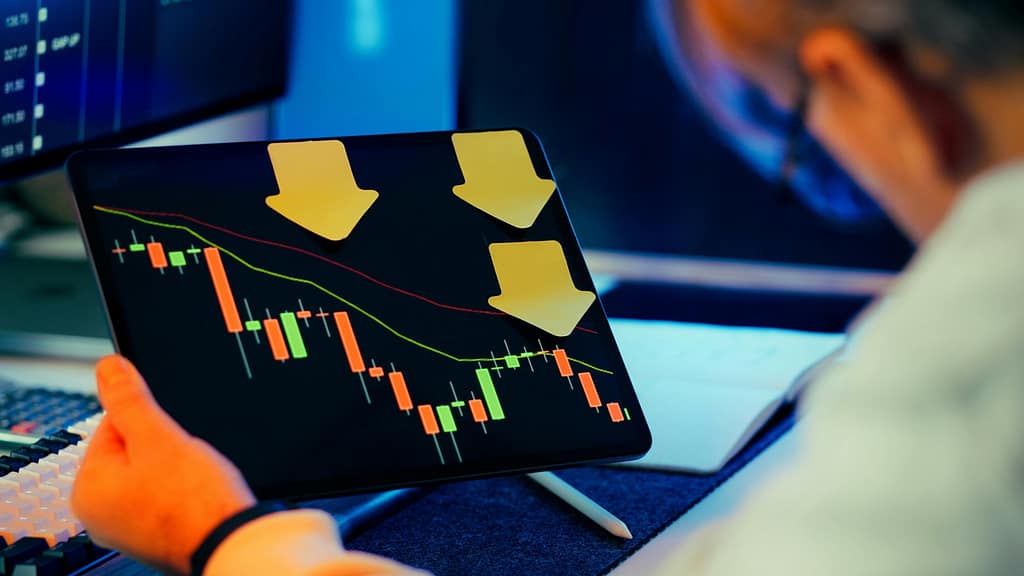
When the stock market plummets and headlines scream “markets crash,” even seasoned investors become terrified. Many people panic sell, their portfolios drop overnight, and their hopes for retirement seem to be gone. History shows that the best times to make money are often when people are most scared. Market downturns don’t destroy long-term value; instead, they move it from the scared to the prepared. This timeless truth will help you make the most of your money during the market chaos of 2026.
A Simple Explanation of Why Markets Go Up and Down
Stock markets aren’t just random casinos; they show what millions of investors think will happen with businesses and the economy in the future. Prices go up when people are confident, which can happen because of strong consumer spending, low interest rates, new technology, or strong corporate earnings.
Because people never stop growing, businesses get better, people get smarter, and new technologies create new markets and industries that do better over time. The S&P 500 has given an average yearly total return of about 10% since the 1920s, even though there have been wars, recessions, and pandemics. This includes dividends.
When reality or fear of reality gets in the way, expectations are broken. When something unexpected happens, like a pandemic, rising inflation, geopolitical tension, or quick interest rate hikes, investors need to think again. Businesses may have to pay more to borrow money, have fewer customers, or have problems with their supply chains.
Prices drop quickly when a lot of people sell to protect themselves, which makes people even more scared of the markets. These changes are normal and good for you. They cut out the extras, reward smart businesses, and get ready for the next growth. It’s important to remember that markets go up a lot more than they go down; about two-thirds of all years are good. The main point is that volatility is what you have to pay to get better returns over time.
How seasoned investors make money when the market is down
Experienced investors don’t think of crashes of the markets as disasters; they think of them as “sales” of valuable assets. The main idea is to be greedy when others are scared. Warren Buffett said this during the 2008 financial crisis. He invested billions of dollars in companies like General Electric and Goldman Sachs at very low prices. His moves weren’t risky bets; they were smart buys of businesses that would last a long time at low prices.
These investors do well because they have three advantages: they can get their money quickly, they have a broad view, and they are disciplined. They have cash on hand that they can use when they need it, know that markets always bounce back (the S&P 500 has never failed to reach new highs after every bear market), and don’t let their feelings guide their choices.
Some people use options or hedges to protect themselves, but most people just buy more of what they already own, like index funds, blue-chip stocks, or real estate investment trusts, when prices drop by 20% or more. The result? Compounding at faster rates after the rebound starts.
The data backs this up. People who bought stocks during big drops have made money that has changed their lives, this is the stock market crash opportunities. The psychological edge is huge: while the crowd runs away, those who are ready buy shares at prices that will give them huge returns in the future.
Ways to Build Wealth in 2026 That Are Easy for Beginners
You don’t have to be a hedge fund manager or work on Wall Street to take advantage of market drops. Here are simple, tried-and-true methods that work in the volatile and correction-prone environment of 2026.
1. Use Low-Cost Index Funds to Invest for the Long Term
Owning a lot of the broad markets all the time is the easiest way to become a millionaire. You can automatically invest in America’s most successful companies by buying a low-cost S&P 500 index fund or total stock market ETF. In the past, anyone who bought the S&P 500 and held it for at least 10 years has made money, even if they bought it right before a crash.
This method is still the basis in 2026, when people talk about AI-driven productivity gains and economic resilience. If you need to, start small by setting up automatic monthly contributions to your IRA or 401(k). Every time, being in the market is better than timing the market.
2. Use dollar-cost averaging (DCA) to buy the dip.
Instead of trying to catch the exact bottom, put the same amount of money in at regular intervals. When prices go down, you can buy more shares with your fixed dollars. After the 2008 crisis and the 2020 crash, this strategy made regular investors millionaires. Set aside 10–20% of your investable cash as “dip-buying” reserves in 2026.
Make a simple rule: if the S&P 500 falls 10% from its most recent high, use 25% of your reserve. If it falls 20%, use another 25%. This takes away your feelings and makes sure you take part in the recovery that will happen.
3. Diversify Across Asset Classes and Geographies
Don’t put everything you have in one place. A balanced portfolio could have 60–70% U.S. stocks, 10–20% international stocks, 10–20% bonds for stability, and a small amount of commodities or real estate.
Diversification makes volatility less of a problem without lowering returns. In 2026, when tariffs are a worry and sectors are changing, having investments outside of mega-cap tech can help and give you more chances. Every year, rebalance your portfolio to sell stocks that are doing well and buy stocks that are doing poorly in the markets at better prices.
4. Keep an emergency fund and a mindset of abundance
Put 6 to 12 months’ worth of expenses into high-yield savings accounts or short-term Treasuries. This liquidity stops people from having to sell during downturns. Think of volatility as your friend: every drop is a chance to buy more useful assets at a lower price.
Anyone with a brokerage account and a long-term goal can use these strategies. Millions of regular investors have used them to build portfolios worth millions of dollars by sticking with them through ups and downs.
Recent market trends in the real world
History from the last few years is a clear example. The COVID-19 markets crash in 2020 saw the S&P 500 drop 34% from its February 19 peak of 3,386 to its March 23 low of about 2,237 in just over a month. This was the fastest bear market ever. There was a lot of panic, but people who bought the dip made a lot of money.
By early 2026, the index had more than tripled from that low point, with annual growth rates that were much higher than the historical average. Retail investors who put money into the market in March and April 2020, often through index funds or well-known companies like Amazon and Microsoft, saw their portfolios grow. Studies show that individual investors were net buyers during the rebound, which helped them make a lot of money at the expense of those who sold out of fear.
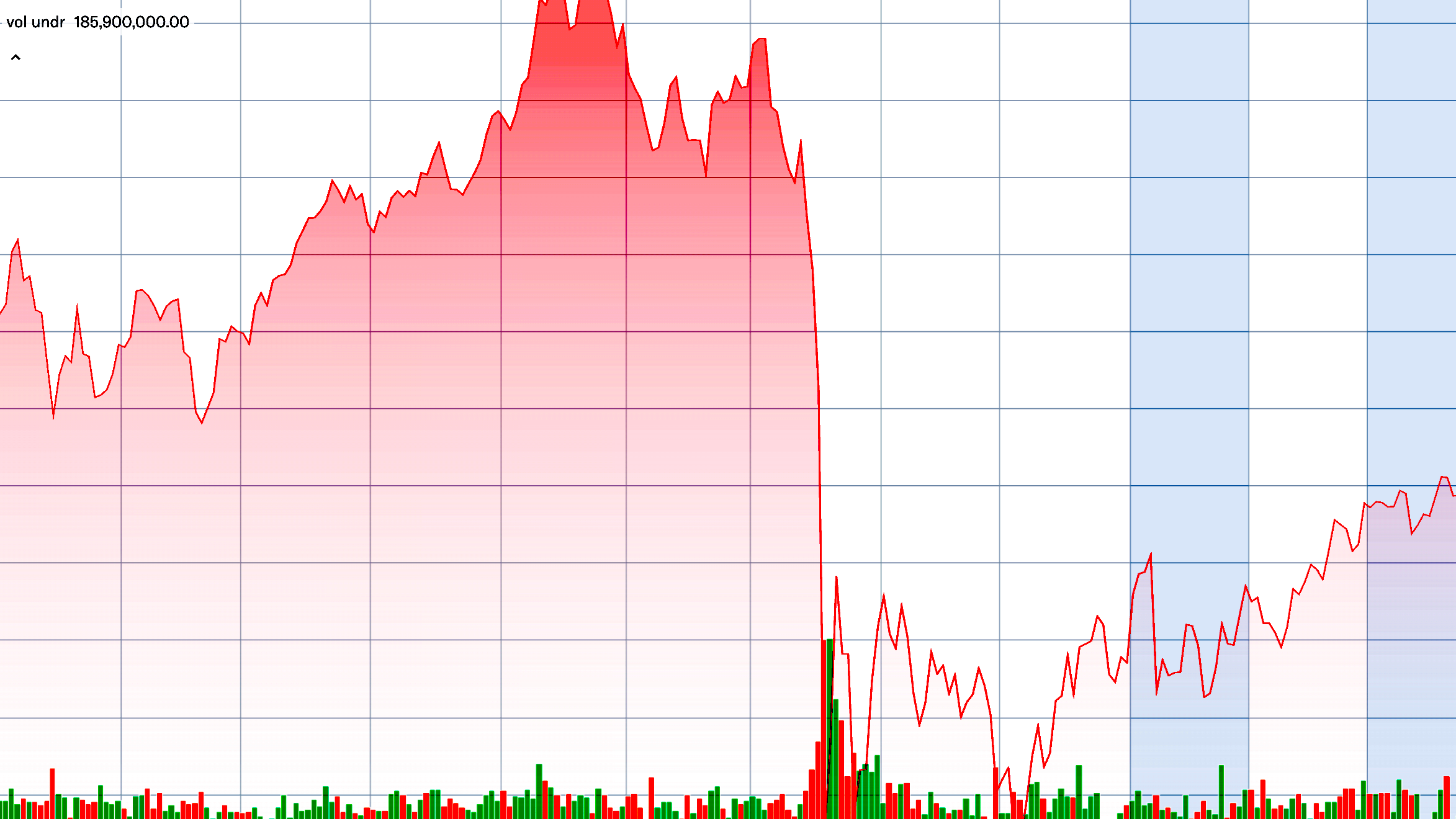
The bear markets of 2022 were another perfect example. The S&P 500 fell 25% from its January high to its October low because of inflation and the Federal Reserve’s aggressive rate hikes. It ended the year down about 18–19%.
Defensive sectors, like Coca-Cola, Walmart, Procter & Gamble, and Johnson & Johnson, did better because they fell less and bounced back faster. Investors who dollar-cost averaged or bought good stocks at the bottom rode the strong recovery through 2023–2025, when the S&P 500 went up by 26%, 25%, and 18%, respectively. People who stayed disciplined turned short-term paper losses into big long-term gains.
The pattern still holds, even though the S&P 500 had some ups and downs early in 2026 because of worries about reflation and high VIX readings. Corrections make it possible for people with money and conviction to get in.
Things to Avoid and Risks
The upside is very appealing, but discipline is necessary. First, don’t put money into something you’ll need in the next three to five years. It can take a while for the market to bounce back, but having cash on hand keeps you from having to sell. Second, don’t use leverage or margin trading when the market is going down. Amplification works both ways and can cause losses that last forever. Third, don’t give in to the urge to sell in a panic or follow “hot” sectors at their highest points. Making decisions based on emotions is the quickest way to lose money.
People often make mistakes by putting too much money into one stock or sector (like the AI bubble fears of 2025–2026), not paying attention to fees that eat into returns, and not taking taxes into account in non-retirement accounts. Lastly, don’t think that a correction means the end of the world. Since the Great Depression, every bear market has been followed by new all-time highs. Over time, cash that isn’t used loses value to inflation. When used wisely during times of fear, it grows quickly.
Getting Ready for Success in 2026 and Beyond
The opportunity set is clear as 2026 goes on with its mix of economic stability and occasional instability. History favors those who are ready, whether we see a small correction or a bigger drop. Start building your cash reserves now. Make your contributions automatic. Learn about the businesses and funds you own. Above all, remember that the truth is that markets reward those who are patient and brave.
Market crashes make millionaires not because they happen so often but because they show the difference between short-term fear and long-term reality. You can get ready for the next wave of growth by focusing on the basics, keeping your investments diverse, and acting methodically when others pull back. The tools are easy to use, the proof is clear, and the time is now; 2026 is your chance.
Start now. When you’re most afraid, you show discipline that your future self will be grateful for. The market will bounce back, like it always does. The only thing you need to think about is whether you will be one of the people who made money from it.