Michael Carrick: Navigating Manchester United’s Revival as Interim Manager
As Michael Carrick takes the reins as Manchester United’s interim manager in January 2026, the club legend faces a daunting task. With United seventh in the Premier League, early cup exits, and a tough fixture list including the Manchester derby, Carrick must stabilize the team, integrate youth, and push for European qualification.
In the midst of Manchester United’s challenging 2025-26 season, the appointment of Michael Carrick as interim manager represents a pivotal moment for the club. Following Ruben Amorim’s departure on January 5, 2026, after a 14-month tenure marked by frustration over transfers and inconsistent results, United have turned to a familiar face. Carrick, expected to be confirmed within the next 48 hours after positive talks with club executives, steps in to guide the team until the end of the season. Currently positioned seventh in the Premier League with 32 points from 21 games (eight wins, eight draws, five losses), the Red Devils are grappling with defensive vulnerabilities and a lack of cutting edge upfront. Carrick’s task is immense: stabilize the squad, push for European qualification, and restore morale amid fan unrest and off-field uncertainties.
The Road to Appointment: From Crisis to Club Legend’s Return
Ruben Amorim’s sacking came after a public outburst criticizing the club’s hierarchy following a 1-1 draw with Leeds United, where he issued a “back me or sack me” ultimatum. Appointed in November 2024, Amorim led United to the UEFA Europa League final in May 2025 but struggled in the domestic league, culminating in his exit with the team in sixth place at the time—though they slipped to seventh post-departure. Interim caretaker Darren Fletcher oversaw two games: a draw with Burnley and an FA Cup third-round defeat to Brighton on January 11, 2026, underscoring the team’s ongoing issues.
Michael Carrick emerged as the frontrunner after face-to-face discussions with CEO Omar Berrada and director of football Jason Wilcox, edging out Ole Gunnar Solskjaer despite the latter’s interest. Positive talks on January 12 focused on finalizing his coaching staff and contract details. This marks Carrick’s second stint in a caretaker role at Old Trafford; in November 2021, he managed three games unbeaten (two wins, one draw) following Solskjaer’s dismissal, averaging 2.33 points per game. His calm presence and deep understanding of the club’s DNA have garnered support from players, who value his coaching style and personality.
Carrick’s Managerial Pedigree: Insights from Middlesbrough
Carrick’s recent experience at Middlesbrough provides a solid foundation for his United challenge. Appointed in October 2022, he managed 136 games until his departure on June 4, 2025, achieving 63 wins, 24 draws, and 49 losses for a 46.3% win rate and 1.57 points per game. His first season transformed a relegation-threatened side into playoff contenders, employing an attacking 4-2-3-1 formation that emphasized possession, build-up play from the back, and offensive overloads.
In 2023-24, Middlesbrough reached the EFL Cup semi-finals but lost heavily to Chelsea in the second leg, finishing eighth in the Championship. The 2024-25 campaign ended in 10th place, with criticisms of tactical rigidity and delayed in-game adjustments, though player sales impacted performance. Michael Carrick excelled in youth integration and fostering a positive environment, skills that could translate well to United. However, adapting to the Premier League’s intensity—where flexibility is key—will be crucial, especially undoing Amorim’s rigid 3-4-3 system, which Fletcher noted is “difficult to adapt from.”
Squad Analysis: Balancing Talent and Inconsistencies
Manchester United’s squad blends experience with emerging talent but has been hampered by injuries and form dips. In goal, Senne Lammens remains the primary option, supported by Altay Bayindir and Tom Heaton (though not explicitly listed in recent rosters). The defense features Diogo Dalot and Noussair Mazraoui at right-back, with Matthijs De Ligt, Harry Maguire, Lisandro Martinez, and Leny Yoro anchoring the center—though concessions of 32 goals in 21 league games highlight vulnerabilities. Left-back options include Luke Shaw, Tyrell Malacia, Patrick Chinazaekpere Dorgu, and youngsters like Ayden Heaven, Tyler Fredricson, Diego Leon, and Harry Amass (on loan).
Midfield is led by Bruno Fernandes, whose creativity is vital amid uncertainties—reports suggest his future could be in doubt post-Amorim. Veterans like Casemiro (aging at 33) pair with Manuel Ugarte and Kobbie Mainoo, while Mason Mount provides versatility. The attack boasts , Matheus Cunha, Joshua Zirkzee, Amad Diallo, Bryan Mbeumo, Benjamin Sesko, Chido Obi, and Ethan Wheatley. Despite scoring 36 goals, finishing has been inconsistent, with reliance on set pieces and individual brilliance.
Michael Carrick’s prior coaching stint at United (2018-21) gives him familiarity with players like Fernandes potentially aiding quick cohesion. The squad’s average age hovers around 26, offering a mix of youth and experience, but depth issues—exacerbated by absences—must be addressed to improve consistency.
Tactical Imperatives: Shifting from Amorim’s Philosophy
Michael Carrick’s preferred 4-2-3-1 could revitalize United’s play, promoting possession and quick transitions to suit technical midfielders like Fernandes and Mount. At Middlesbrough, he focused on calm build-up and attacking overloads, which might counter United’s disorganized pressing under Amorim. Key adjustments include bolstering the defense—perhaps pairing Ugarte with Casemiro for protection—and enhancing width through wingers like Amad and Mbuemo.
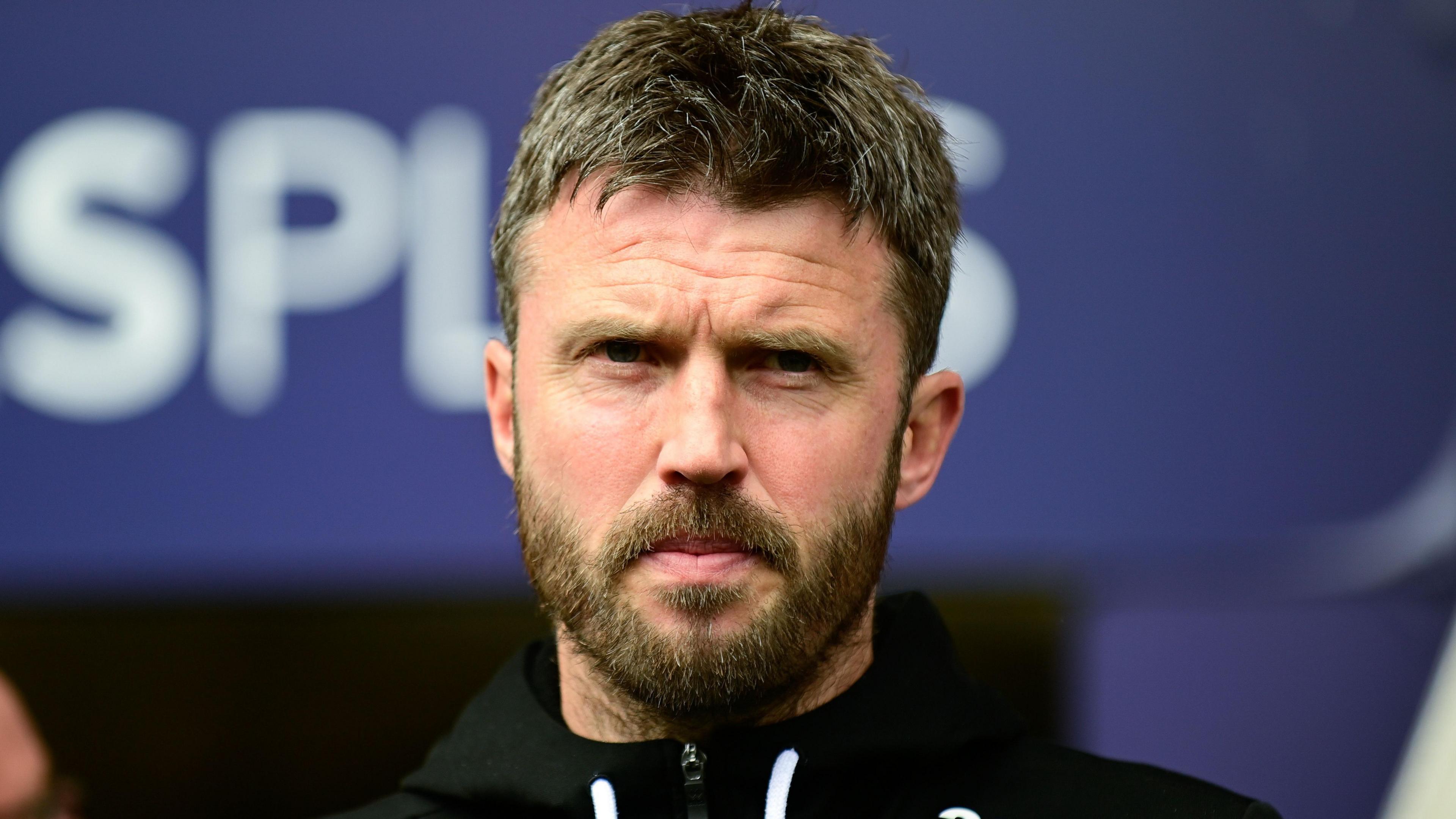
Undoing Amorim’s 3-4-3 will require time, as Fletcher highlighted its inflexibility. Michael Carrick must instill a high-pressing ethos while varying tactics against top sides. With no European commitments (having reached the 2025 final but now focused solely on the league), he can prioritize recovery and rotation to combat fatigue.
The Fixture Challenge: A Defining January and February
Michael Carrick’s tenure begins amid a demanding schedule. Recent results under Fletcher—a 1-1 draw at Leeds on January 4, a 0-0 with Burnley on January 9, and the 2-1 FA Cup loss to Brighton on January 11—set a tough tone. Upcoming league fixtures include the Manchester derby at home on January 17 against title-chasing City, followed by a trip to Arsenal on January 25. February brings Fulham at home on February 1, Tottenham on February 7, and West Ham away on February 10, offering opportunities for points but no margin for error.
With early exits from the Carabao Cup (to Grimsby earlier in the season) and now the FA Cup, the Premier League is United’s only focus, resulting in a shortened 40-game campaign—the briefest since 1914-15. Trailing the top four by six points, a strong run is essential to secure Europa League spots, with end-of-season clashes like Liverpool on May 2 adding pressure.
Youth Integration: Upholding United’s Storied Tradition
Manchester United’s academy heritage—featuring a homegrown player in every matchday squad since 1937—remains a core identity, but recent seasons have tested its viability. Prospects like Leny Yoro, Ayden Heaven, and others await opportunities, though debuts have been mixed amid Premier League demands.
Michael Carrick’s success developing youth at Middlesbrough positions him ideally to bridge this gap, potentially integrating talents like Chido Obi or Ethan Wheatley selectively. While academy sales have generated revenue (e.g., over £100m from players like Alejandro Garnacho in prior years), over-reliance risks underperformance. His goal: maintain tradition while prioritizing results.
Off-Pitch Dynamics: Ownership, Finances, and Supporter Expectations
Michael Carrick inherits a club under scrutiny. INEOS owner Sir Jim Ratcliffe faces backlash over debt levels (£749m) and parent company issues (£18bn), potentially shifting his focus. Cost-cutting, including redundancies and ticket hikes, has fueled fan protests, with groups like The 1958 planning action before the February 1 Fulham game.
Record revenues (£666.5m) provide some stability, but stadium redevelopment ambitions for a 100,000-capacity venue loom large. Limited January transfers mean Carrick must optimize the current squad, amid uncertainties like Bruno Fernandes’ potential exit.
Prospects: Goals, Challenges, and Legacy
Realistic objectives for Carrick include a top-six finish for European return, team unity, and groundwork for a permanent manager (Xavi Hernandez rumored). A “new manager bounce” could close the gap, but failure might deepen the crisis. With his composure and club ties, Michael Carrick offers hope in turbulent times—results will ultimately shape his impact.
As supporters worldwide rally, Carrick’s interim role could spark a turnaround or highlight enduring issues. Pragmatism and passion will be key to navigating this critical juncture.