Why Michael Carrick is Set to Influence Manchester United’s January 2026 Transfer Window: Short-Term Fixes vs Long-Term Vision
Michael Carrick’s return as Man Utd head coach gives him key influence over January 2026 transfers. Explore his role in weighing immediate fixes against sustainable rebuild plans amid the club’s revival push.
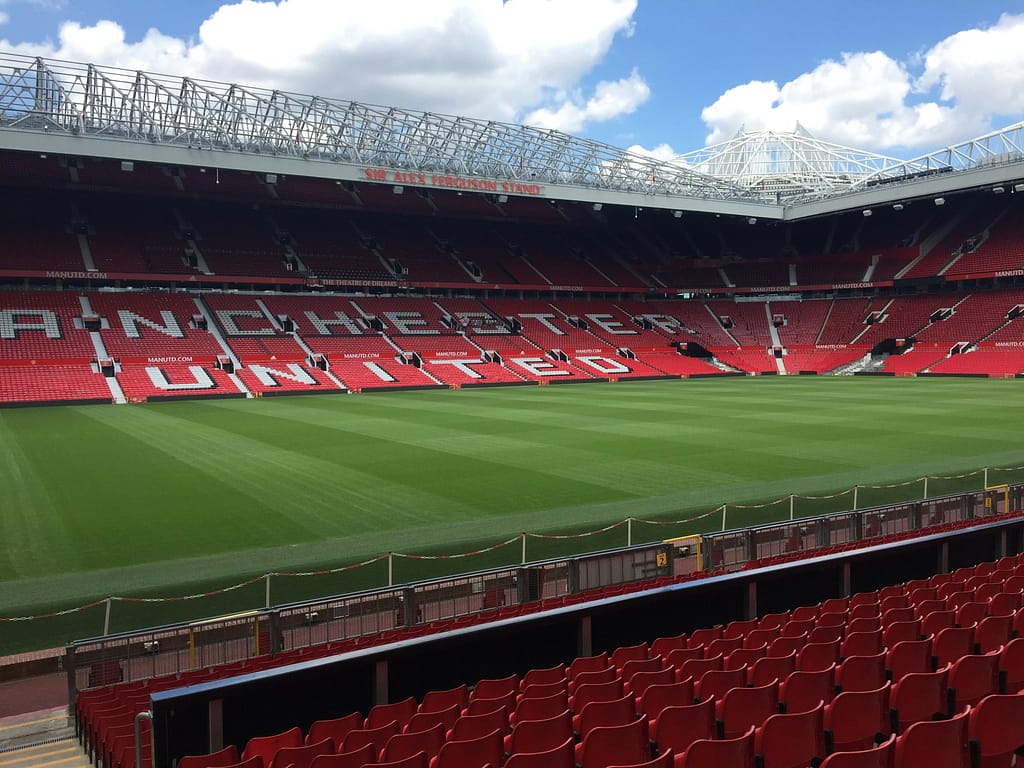
As the January 2026 transfer window enters its final weeks, all eyes are on Old Trafford. With Michael Carrick newly appointed as head coach, expectations are high that he will play a pivotal role in shaping the club’s recruitment strategy. We dive into deep into why Carrick is poised for significant input, exploring the delicate balance between addressing immediate squad needs and laying foundations for sustained success. For Manchester United fans, understanding this dynamic could reveal the blueprint for United’s revival.
Carrick’s Dramatic Return: From Middlesbrough to Manchester United Helm
Michael Carrick’s journey back to Manchester United is nothing short of a homecoming story. The former midfielder, who spent 12 illustrious years as a player at the club, winning five Premier League titles and a Champions League, left in 2021 after a brief interim stint. He then honed his managerial skills at Middlesbrough, where he managed for three seasons in the Championship, earning praise for his tactical acumen and player development. His departure from Middlesbrough at the end of the 2024-25 season paved the way for a surprising return to United.
In early January 2026, following the sacking of Ruben Amorim after a dismal run—marked by the worst win rate of any United manager in the Premier League era—Carrick was appointed head coach until the season’s end. This decision came after consultations involving club legends like Sir Alex Ferguson, and executives Omar Berrada and Jason Wilcox. Carrick’s first game? A stunning 2-0 victory over Manchester City in the derby, injecting fresh optimism into a beleaguered squad.
What makes Carrick’s role intriguing is his deep-rooted connection to the club. As a former player and coach under multiple managers, he understands United’s DNA. His interim appointment isn’t just a stopgap; it’s framed as an evaluation period for a potential permanent role. This insider status positions him uniquely to influence decisions beyond the pitch, including transfers.
The Turbulent 2025-26 Season: Where United Stand Mid-Campaign
Manchester United’s 2025-26 season has been a rollercoaster. Starting under Amorim, the team struggled, sitting sixth in the league by late December 2025 with just 29 points—a marked improvement from the previous season’s 15th-place finish but far from title contention. Defensive frailties, midfield inconsistencies, and a lack of cutting edge upfront have plagued the side, leading to Amorim’s exit after a 1-1 draw with Leeds.
United then hired Carrick as caretaker manager, his arrival has already sparked changes. Training sessions are now shorter but more intense, fostering a “different energy” among players. The squad, including veterans like Jonny Evans (now a coach), has responded positively to his detailed approach. With 16 games left, the primary goal is Champions League qualification—aiming for a top-four or top-five finish.
However, the club’s broader context can’t be ignored. Under INEOS ownership, there’s a shift toward structured, data-driven decisions. The January window, typically quiet for United, is approached with caution to avoid past mistakes like bloated squads from impulsive buys. This sets the stage for Carrick’s involvement, as the club seeks stability amid uncertainty.
Why Michael Carrick Will Have Significant Input in Transfer Decisions
Carrick’s significant input stems from his position as head coach during a critical juncture. Unlike a mere caretaker, his contract runs until season’s end, giving him authority to mold the team. Reports confirm an internal meeting this week—starting January 19, 2026—where club hierarchy, including Berrada and Wilcox, will discuss transfer plans, with Carrick actively involved. Fabrizio Romano notes that Carrick will “have a voice and opportunity to share his ideas” on potential signings before the window closes on February 2.
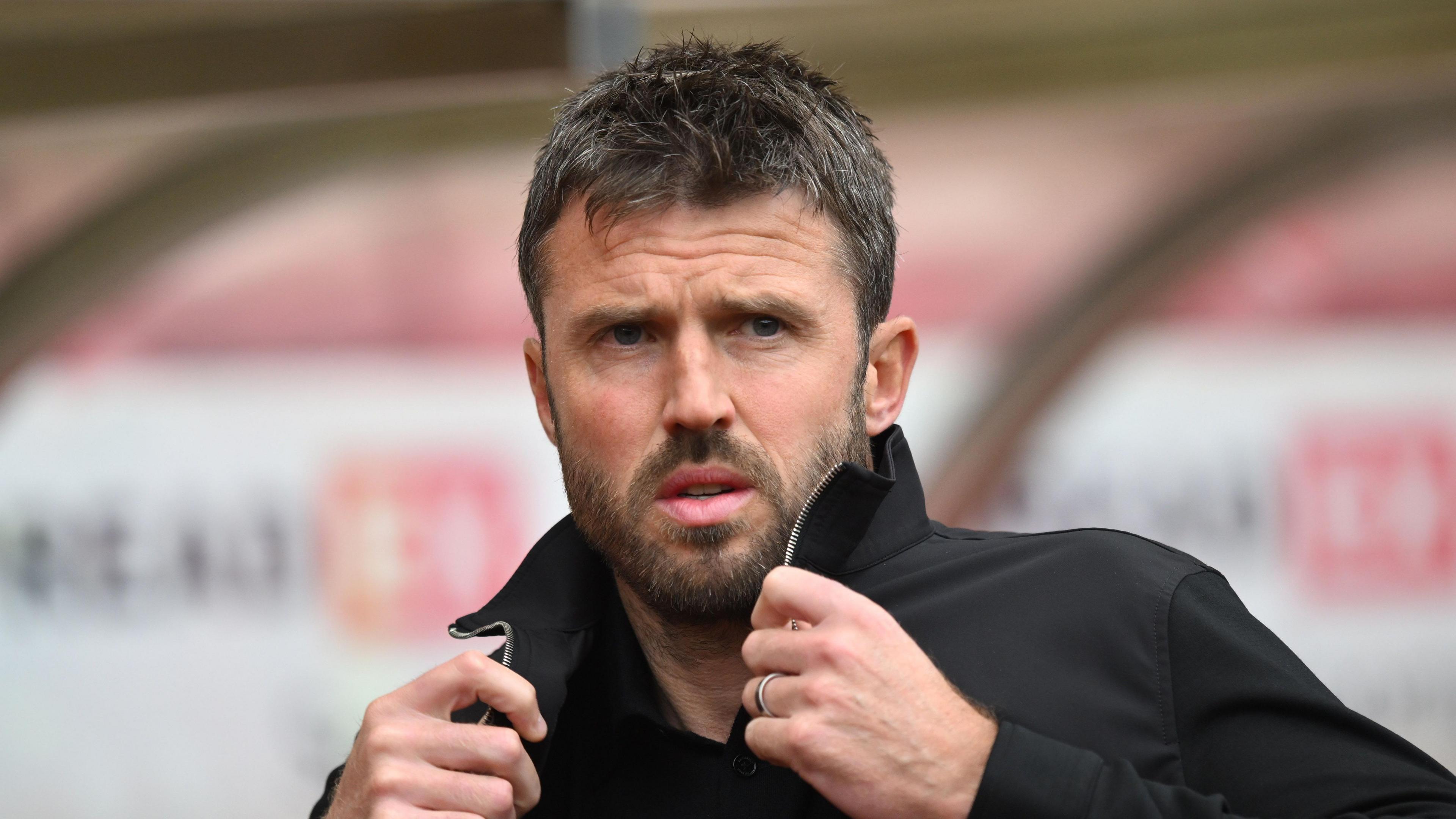
This involvement is logical. As the on-pitch leader, Carrick identifies gaps firsthand. His Middlesbrough tenure showcased his eye for talent, like developing Hayden Hackney, whom United is now linked with. Moreover, his “explicit agreement” with the club positions him as a contender for the permanent job, incentivizing input that aligns with long-term vision.
United’s strategy under Wilcox emphasizes discipline: no knee-jerk reactions, only opportunistic deals for long-term fits. Carrick’s familiarity with the academy and past coaching role at United ensures his recommendations carry weight, bridging the gap between immediate needs and future planning.
Short-Term Needs: Bolstering the Squad for a Top-Five Push
With United chasing European spots, short-term needs are pressing. The defense has been leaky, prompting interest in replacements like Nottingham Forest’s Murillo for the aging Harry Maguire, whose future is uncertain amid Serie A links. Midfield depth is another concern, especially with Kobbie Mainoo potentially seeking more minutes elsewhere.
Carrick’s input could prioritize quick-impact players. His tactical setup—drawing from Middlesbrough’s possession-based style—might favor versatile midfielders or attackers to boost creativity. The derby win highlighted strengths but exposed vulnerabilities; a loan or budget signing could provide the spark for a strong finish.
Yet, Carrick must temper this with fiscal responsibility. United’s PSR constraints limit lavish spending, focusing on deals that don’t compromise summer plans. His balanced approach, honed from player-coach transitions, ensures short-term fixes enhance rather than hinder the squad.
Long-Term Planning: Laying Foundations for Sustainable Success
Beyond the immediate, Carrick’s influence extends to long-term strategy. United’s hierarchy prioritizes structure over “flashy short-term fixes.” Carrick, with his academy insight, could advocate for youth integration, like past signings Patrick Chinazaekpere Dorgu and Ayden Heaven.
His Middlesbrough philosophy—emphasizing player development and tactical flexibility—aligns with United’s rebuild. Potential targets like Hackney represent this: young, high-potential talents fitting a sustainable model. Carrick’s input might steer away from aging stars, favoring profiles that grow with the club.
This balance is crucial. Past windows saw mismatched signings; Carrick’s club knowledge could prevent repeats, ensuring transfers support a cohesive vision under potential permanent leadership.
Potential Transfer Targets: Who Could Carrick Bring In?
Speculation abounds on targets. Defensive reinforcements top the list, with Murillo’s ball-playing ability suiting Carrick’s style. In midfield, Hackney’s familiarity with Carrick makes him a logical choice, though Tottenham’s interest complicates matters.
Outgoings are equally vital: Players like Joshua Zirkzee and Mainoo might depart for game time, freeing funds. Sam Mather’s recent move to Kayserispor signals a youth exodus if needed.
Carrick’s strategy? Opportunistic: Only pursue if targets become available unexpectedly. This pragmatic approach, informed by his experience, could yield smart additions without derailing long-term goals.
Challenges in the January Window: Navigating Market Realities
January transfers are notoriously tricky— inflated prices, limited options, and integration issues. United’s quiet stance reflects this, with no incoming deals confirmed yet. Carrick must navigate rival interest, like for Hackney, while managing squad morale.
Global factors, like AFCON absences, added complexity although absentees have already reported after the conclusion of the tournament where Senegal lifted the trophy, congratulations to them. His input will be tested in balancing ambition with realism, ensuring decisions enhance his audition for the full-time role.
Carrick’s Legacy in the Making
Michael Carrick’s significant input into Manchester United’s January 2026 transfer strategy is a natural extension of his head coach role. Rooted in his club history, tactical expertise, and the upcoming internal meetings, he is well-placed to guide a balanced approach—addressing short-term imperatives like European qualification while prioritizing long-term sustainability. As the window winds down, Carrick’s decisions could define not just this season but United’s future trajectory. Fans will watch closely; after all, in football, the right balance often leads to glory.