Ronaldo’s Wake-Up Call: Rebuilding Manchester United’s Shattered Foundations
Cristiano Ronaldo has fired a brutal truth bomb: Manchester United “don’t have a structure” to return to the top. From Glazer debt draining £1bn to £800m of transfer flops, the club’s foundations are cracked. This deep dive dissects Ronaldo’s critique across ownership greed, recruitment chaos, squad decay, youth neglect, and a vanished winning mentality. Each failure is exposed with stats and examples—then countered with surgical solutions: full Glazer exit, DNA-driven scouting, ruthless squad reset, academy revival, and cultural steel. Amorim is backed but warned: miracles don’t exist. United must rebuild brick by brick, not with quick fixes. Ronaldo’s wake-up call isn’t nostalgia—it’s a blueprint. Ignore it, and mediocrity reigns. Embrace it, and the Red Devils rise again.
Ronaldo’s Lament
Cristiano Ronaldo, the eternal icon whose name still echoes through Old Trafford’s rafters, has once again cast a spotlight on Manchester United’s woes. In a candid interview with Piers Morgan on November 4, 2025, the Al-Nassr forward delivered a searing verdict: United “don’t have a structure,” lacking the foundational pillars to propel them back to glory. While heaping praise on manager Ruben Amorim—”He’s doing his best”—Ronaldo dismissed any notion of quick fixes, quipping, “Miracles? That’s impossible. We say in Portugal, miracles you get in Fátima.”
This isn’t Ronaldo’s first broadside; his 2022 explosive chat with Morgan ended his second United spell. Yet, three years on, his words sting anew amid United’s dismal 2025-26 campaign. Sitting 15th after a nightmare 2024-25 (15th finish, Europa League final loss), the Red Devils embody chaos: £1 billion in debt, a leaky squad, and a mentality miles from the Ferguson era. Ronaldo’s assessment isn’t mere nostalgia—it’s a blueprint for dissection. This deep dive unpacks the “structure” he decries: ownership greed, recruitment blunders, squad disarray, youth neglect, and a toxic mindset. We’ll expose how each has fueled failure, then prescribe targeted solutions. United’s revival demands more than Amorim’s tactical tweaks; it craves systemic overhaul.
Ownership Overlords: The Glazers’ Grip of Greed
Ronaldo’s “no structure” barb starts at the top: the Glazer family’s 2005 leveraged buyout, saddling United with £750 million in debt that balloons to £1 billion by 2025. Unlike fan-funded models at rivals like Liverpool, United’s profits—£73 million in 2024—vanish into interest payments, leaving scraps for on-pitch investment.
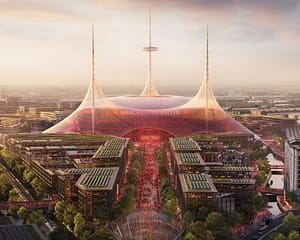
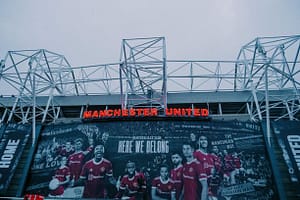
This parasitic setup has bred mediocrity. Post-Ferguson, United spent £1.5 billion on transfers yet won just three major trophies (Europa League x2, FA Cup). The Glazers’ dividend extractions—£200 million since 2015—prioritize shareholders over squad-building. Sir Jim Ratcliffe’s 27.7% stake in 2024 promised reform, but execution falters: Old Trafford’s decay (leaking roofs, outdated facilities) mirrors Ronaldo’s 2022 gripes, deterring elite talent.
How It Failed: Financial Fair Play (FFP) bites hard. United’s 2024-25 wage bill hit £300 million, forcing sales like Scott McTominay for PSR compliance, yet summer signings like Joshua Zirkzee (£36.5m) flop amid budget constraints. Result? A vicious cycle: poor results mean no Champions League revenue (£100m+ annually), inflating debt and stunting ambition. In 2025, United’s mid-table malaise—12 losses in 25 games—stems directly from this fiscal stranglehold.
The Solution: Full divestment. Ratcliffe must orchestrate a total sale, targeting Middle Eastern consortia with proven models (e.g., Newcastle’s Saudi PIF). Short-term, enforce a “self-sufficiency” mandate: cap dividends at zero until debt dips below £500 million, redirecting £50 million annually to infrastructure. Appoint an independent oversight board with fan representation to veto exploitative decisions. Only then can United chase sustainable glory, echoing Ronaldo’s call for “smart people to create a base for the future.”
Recruitment Roulette: A Decade of Misfires
United’s transfer market escapades read like a comedy of errors, embodying Ronaldo’s structural void. Ed Woodward’s “data-driven” era (2013-2022) ignored fit for fame, splashing £500 million on stars like Paul Pogba (£89m) and Antony (£86m) who dazzled briefly but wilted under pressure. By 2025, the squad’s average age (27.4) and cost (£800m) yield just 1.2 points per game—worse than 2024-25’s rock bottom.
How It Failed: No coherent philosophy. Pre-Amorim, scouting fixated on “marquee” names over tactical alignment—e.g., Mason Mount (£55m) as a Ten Hag whim, now injured and irrelevant. Summer 2025’s £150m spree (Zirkzee, Manuel Ugarte) ignored defensive frailties, conceding 45 goals by November. Agents’ influence—e.g., Jorge Mendes’ sway via Amorim ties—breeds conflicts, inflating fees (Antony’s Ajax premium). Result: A bloated, unbalanced roster, with 15 loanees symbolizing deadwood overload.
This chaos amplifies Ronaldo’s point: “They have good players but some don’t have in mind what Manchester United is.” Talents like Jadon Sancho (£73m) implode from mismatched roles, eroding squad harmony.
The Solution: Institute a “United DNA” framework. Hire a director of football unbound by ownership whims, enforcing three pillars: tactical fit (3-4-3 for Amorim), value deals (under £50m unless proven), and sell-to-buy (offload £100m in flops like Anthony and Sancho who are currently loaned out). Partner with data firms like StatsBomb for holistic scouting, prioritizing versatile youth over galácticos. Target: Five signings max per window, with 80% academy integration. This rebuilds sustainably, turning recruitment from roulette to renaissance.
Squad in Shambles: Depth, Injuries, and Dysfunction
Ronaldo’s “good players” caveat hides a rotting core: United’s 2024-25 squad is a patchwork of overpaid underperformers and injury magnets. Bruno Fernandes (12 goals, 10 assists) carries the load, but the spine—goalkeeper André Onana (error-prone), defense (over 45 goals conceded), midfield (Casemiro’s decline), attack (Højlund’s drought)—crumbles.
How It Failed: Depth evaporated post-2024 sales. Amorim inherited a 3-4-3 squad mismatched to his system, with wing-backs like Diogo Dalot overworked (38 starts). Injuries—Mount (hamstring, out 4 months), Lisandro Martínez (knee)—expose thin benches, forcing cameos from academy kids like Harry Amass. Tactically, Amorim’s high press falters against transitions, yielding 1.8 xG conceded per game—worst in the “Big Six.”
Ronaldo nailed the disconnect: players lack “mindset,” evident in 2025’s “infamous five” (Sancho et al.) exiled for attitude. Fernandes’ near-exit to Saudi Arabia underscores fragility; without leaders, mediocrity festers.
The Solution: Ruthless reset. Trim to 25 core players via January fire sale (£150m revenue: Antony, Casemiro, Sancho, Anthony). Bolster with loans and free agents (experienced pivots). Implement a sports science overhaul—hire a Premier League-caliber medical team (£10m investment)—to cut injury recurrence by 30%. Foster unity through Amorim-led retreats, instilling “United Way” principles. Aim: A cohesive unit blending grit (Ugarte) with flair (Garnacho), primed for top-four contention by 2027.
Youth Neglect: Squandering the Academy Goldmine
Ronaldo evoked the Class of ’92—Neville, Beckham, Giggs—as the “base” United now lacks. Today’s academy, once a conveyor belt, idles: Kobbie Mainoo’s benchings and possible exit and Omari Forson’s exit signal systemic rot.
How It Failed: Post-Ferguson, integration stalled. Sir Alex’s pathway—youth debuts in cups—gave way to big-money gambles, sidelining talents like James Garner (sold for £8m). In 2025, academy grads log just 15% minutes, versus rivals like Liverpool’s 25%. Budget cuts post-Ratcliffe—scouting redundancies—hinder identification, while first-team coaches overlook prospects amid senior flops.
This betrays Ronaldo’s vision: without youth infusion, United’s “potential” withers, perpetuating expensive patches.
The Solution: Revive the “Ferguson Model 2.0.” Elevate academy director (e.g., Darren Fletcher) to board level, mandating 20% minutes for U-21s. Fast-track via Amorim’s “special plan” for Shea Lacey—loan with recall clauses. Invest £20m in facilities (echoing Ronaldo’s facility pleas), partnering with data analytics for talent ID. Sell underperformers to fund scholarships, creating a self-perpetuating pipeline. By 2028, envision a hybrid squad: 40% academy alumni, restoring that “youth had youth” ethos.
Mentality Mirage: From Winners to Wanderers
Ronaldo’s sharpest cut: “Some [players] don’t have in mind what Manchester United is.” The winning DNA—Fergie’s fear factor—has eroded into entitlement, fueling collapses like the 2025 Tottenham 3-0 drubbing.
How It Failed: Post-2013, transient stars (Pogba, Ronaldo’s return) bred individualism. 2025’s squad, per Amorim, “aren’t helping” strikers like Højlund (3 goals in 20), reflecting low accountability. Fan toxicity—protests, ticket boycotts—amplifies pressure, while leadership voids (Fernandes overburdened) spawn apathy. Stats: United’s press intensity (9.2 PPDA) lags rivals, signaling mental fragility.
The Solution: Cultural reboot. Recruit a “mindset tsar” (e.g., ex-Red like Roy Keane) for weekly sessions on legacy. Tie bonuses to collective metrics (clean sheets, duels won), fostering team-first ethos. Engage fans via “Red Wall” initiatives—affordable tickets, youth showcases—to rebuild bonds. Amorim’s high-press demands grit; pair with sports psychologists to conquer “big-game phobia.” Transform wanderers into warriors, honoring Ronaldo’s heart.
From Fatima to Ferguson—Ignite the Revival
Ronaldo’s words aren’t condemnation; they’re a clarion call from a son who conquered Old Trafford. United’s structure—ravaged by Glazer debt, recruitment folly, squad rot, youth oversight, and mentality malaise—has birthed epic failure. Yet, solutions abound: divest ownership, DNA-driven transfers, squad purge, academy renaissance, cultural steel.
Amorim can’t conjure miracles alone, but with INEOS’ backing, United can forge a new base. As Ronaldo urges, “They need to change… not only about the coach and players.” Embrace the pain; from these ashes rises a phoenix. The century’s greatest club deserves no less. Back to the top—by structure, not sorcery.