Rúben Amorim: One Year at Manchester United – Progress or Perpetual Crisis?
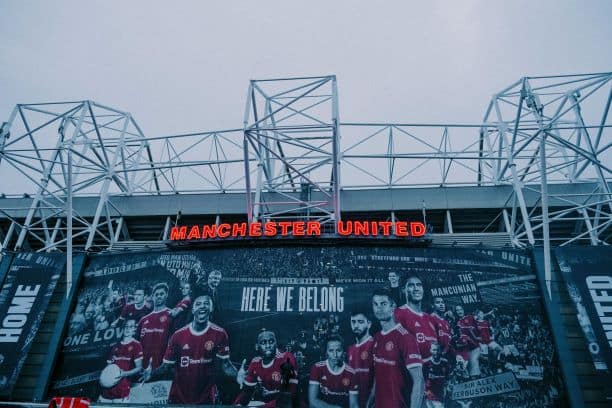
On 1 November 2024, Manchester United announced Rúben Amorim as head coach, paying €11m to extract him from Sporting CP mid-season. His first match, a 1-1 draw at Ipswich Town on 24 November, felt like a tentative new dawn. Exactly one year on – as of 21 November 2025 – the picture is far murkier. A catastrophic 2024-25 campaign that ended in 15th place (the club’s lowest-ever Premier League finish), no trophies, no European football, and a Europa League final defeat to Tottenham was followed by a 2025-26 season that began disastrously but has lately shown flickers of recovery. United sit 7th, unbeaten in five, but still plagued by second-half collapses and defensive fragility.
This is not the triumphant revolution many hoped for when Amorim arrived heralded as Portuguese football’s brightest tactician. Instead, it has been a brutal education in the Premier League’s unforgiving intensity – for both coach and club.
Tactical Evolution: Stubborn Identity Meets Pragmatic Tweaks
Amorim’s calling card remains the 3-4-3/3-4-2-1 he has deployed religiously since his Braga days. At Sporting it was a possession-dominant, press-resistant machine; at United it has often looked rigid and exposed. The wing-backs (Dalot, Mazraoui, Dorgu) are asked to provide width and endurance, the midfield duo (usually Casemiro alongside Bruno) must cover vast spaces, and the front three operate in narrow channels with two No.10s drifting behind a mobile striker.
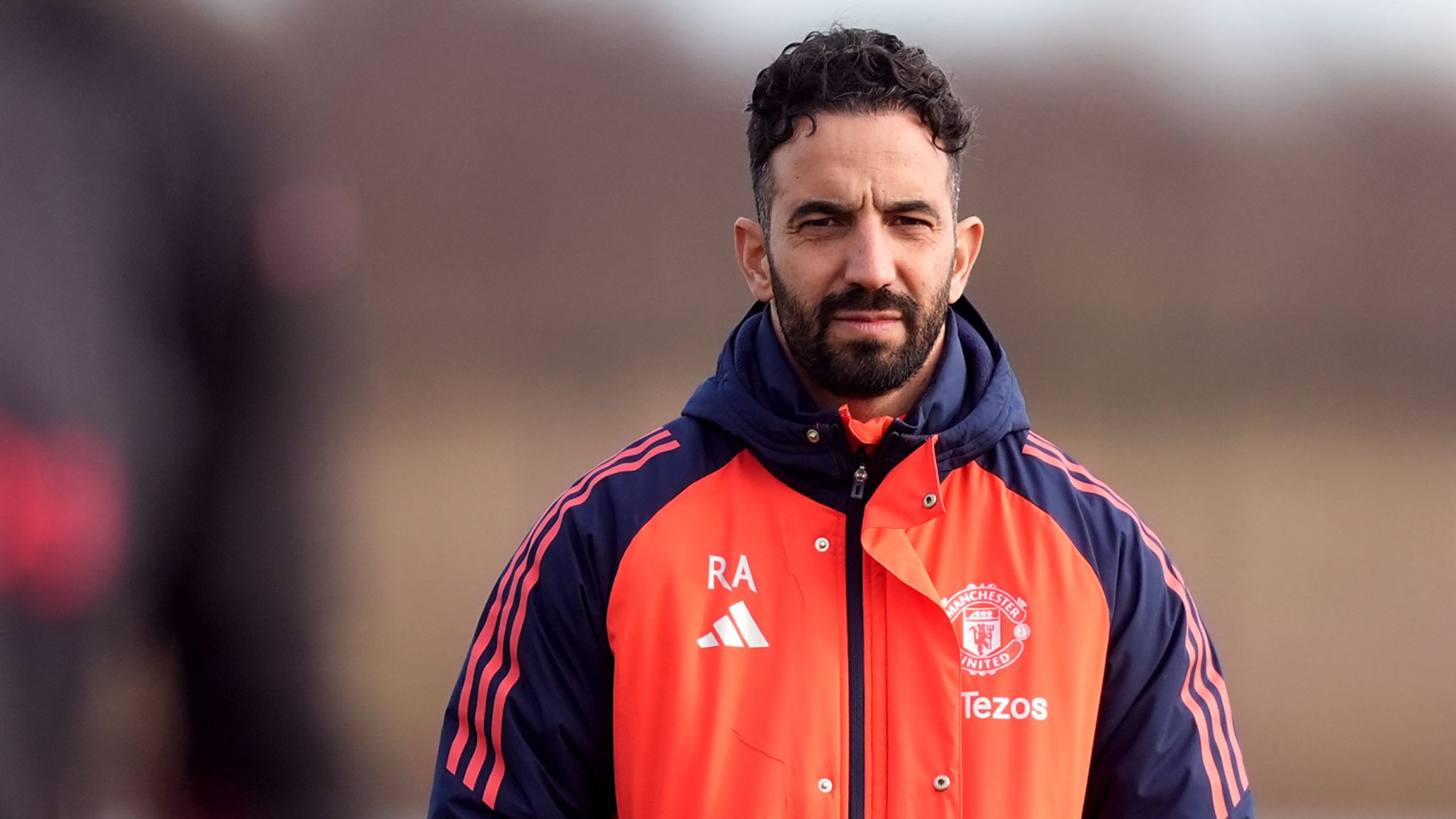
Early struggles were stark. United’s high line was repeatedly carved open on transitions, centre-backs struggled stepping into midfield during presses, and the team lacked fluidity in possession. By spring 2025, Amorim was openly emotional – tears after defeats, smashing a dressing-room TV, labelling his side “probably the worst in Manchester United’s history”. The Grimsby Carabao Cup humiliation (penalties after 2-2 against a League Two side) crystallised the dysfunction.
Yet 2025-26 has brought subtle but significant evolution without abandoning the system:
- Build-up shifts: More direct play from goalkeeper (Lammens ranks top for launched passes), frequent long switches to exploit Cunha/Mbeumo’s pace.
- Attacking speed: From the league’s fifth-slowest under the 2024-25 remnants to eighth-fastest now.
- Set-piece tweaks: In-swinging corners preferred; greater variety in free-kicks.
- Pressing nuance: Less rigid man-to-man, more situational traps, though second-half drop-offs remain a chronic issue (most second-half goals conceded in the league).
The result? United now spend far more time leading matches (496+ minutes in 11 games vs almost nothing across 27 league games last term) and create higher-quality transitions. But defensive metrics have regressed – non-penalty xGA per game worse (1.51 vs 1.34 last season) – and the team still concedes from individual errors and loss of concentration.
Player Development and Recruitment Influence
Amorim’s first summer (2025) was constrained but targeted: Matheus Cunha (£62.5m), Bryan Mbeumo (big fee from Brentford £71m ), and others focused on athleticism, versatility and work-rate. The strategy was clear – sign players who already understand high-intensity, relationist football rather than “big names”. Cunha and Mbeumo have delivered flair and goals; Patrick Dorgu has added dynamism at wing-back.
Player development has been mixed. Youngsters like Mainoo have stagnated amid midfield competition; Garnacho was publicly told he needed a “good agent” and eventually moved on. Veterans like Casemiro have been revitalised in spells but exposed in others. Bruno Fernandes remains the creative hub but has shouldered too much responsibility.
The clear-out of underperformers (Rashford exiled and loaned, Hojlund pushed out) was ruthless and necessary, but the squad still lacks a dominant defensive midfielder and reliable centre-back depth.
Dressing Room Dynamics: From Fracture to Fragile Unity
Amorim’s intensity has polarised. Early outbursts (TV-smashing, tears) shocked a dressing room accustomed to more measured criticism. A six-man leadership group (Fernandes, Maguire, Martinez etc.) was installed to devolve responsibility, but reports of players questioning his man-management and tactical stubbornness surfaced repeatedly. Some believed he might quit rather than compromise.
By late 2025, sharper words and hands-on coaching have earned respect from most. Players speak of his honesty and detail-oriented sessions. Yet the no-holiday rule for non-internationals and public call-outs have left scars. The leadership core has held, but unity feels conditional on results.
Statistical Comparison: Incremental Gains, Persistent Flaws
| Metric (per 90) | Ten Hag era (2022-24) | Amorim 2024-25 | Amorim 2025-26 (first ~11 games) |
|---|---|---|---|
| Points | ~1.75 | 1.03 | ~1.6 |
| Goals Scored | 1.44 | 1.44 | Higher (first-half league best) |
| Goals Conceded | 1.3 | High | Still leaky (most 2nd-half GA) |
| xG | Middling | Poor | Improved |
| xGA | Middling | Poor | Slightly worse |
| Possession | ~55% | Lower | Similar |
| Pressing intensity (PPDA) | Average | High but ineffective | Better coordinated |
Chance creation has sharpened through switches and quicker transitions; pressing patterns are more coordinated. But defensive structure remains United’s Achilles heel – too many goals from set-pieces, transitions, and individual lapses.
Unsolved Weaknesses and Fan Division
The midfield pivot is still vulnerable (overrun against top sides); full-back/wing-back injuries expose depth; second-half collapses suggest conditioning or mental fragility. Fans are split: some laud Amorim’s refusal to compromise and see green shoots in recent form; others point to the worst win percentage of any permanent United manager in the Premier League era and demand change.
Verdict: A Project Showing Signs of Life – But Time Is Running Out
One year in, Rúben Amorim’s era is neither the triumphant revolution promised nor the outright failure feared. The 2024-25 season was a necessary purge – painful, humiliating, but one that forced structural change. Summer recruitment finally aligned with his vision, and 2025-26’s recent unbeaten run, increased time leading games, and attacking flair offer genuine hope.
Yet the margins remain perilously thin. Another second-half meltdown streak or heavy defeat to a rival could reignite crisis. Sir Jim Ratcliffe has granted patience (three years, publicly), but the Premier League waits for no one. Amorim has evolved tactically without betraying his philosophy; the squad is fitter his mould; results are trending upward.
This is no longer a stalled project – it is progressing, slowly and painfully, toward something coherent. Whether it reaches title-challenging coherence before patience expires is the question that will define the next 12 months.