Ruben Amorim Sacked by Manchester United: Inside the Managerial Crisis and What’s Next for the Red Devils
Another manager falls at Old Trafford. With Amorim gone, will Manchester United finally fix their broken system—or doom the next boss to the same fate?
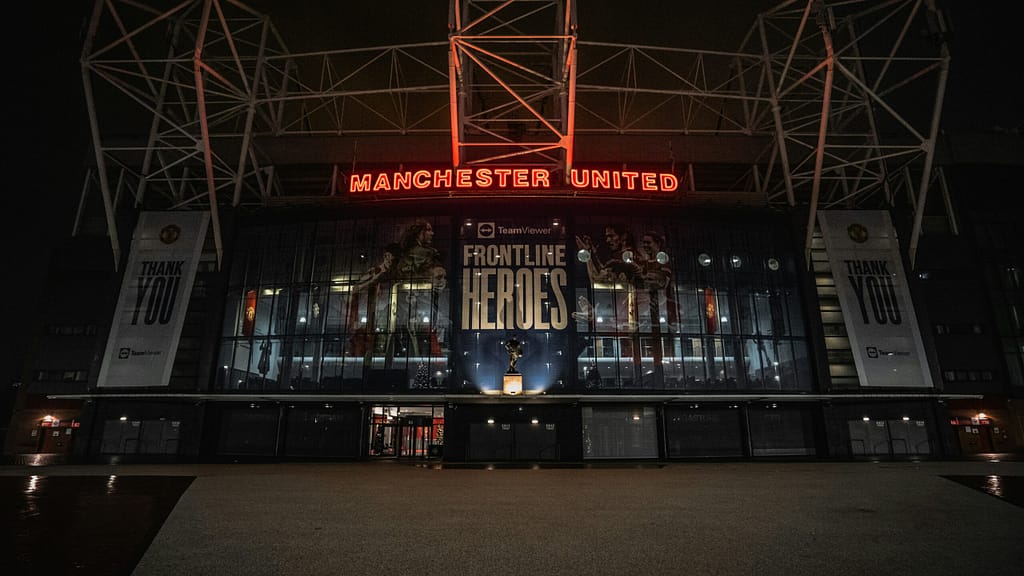
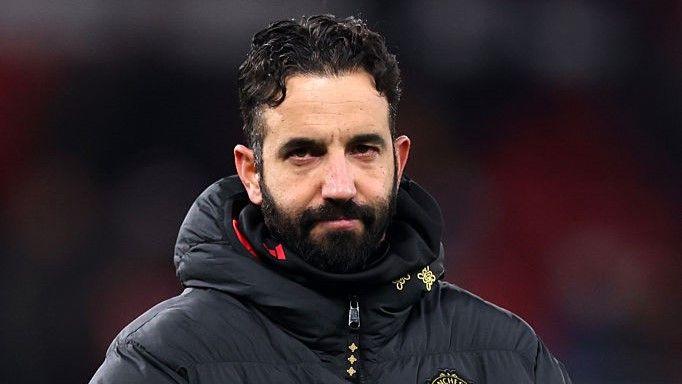
Manchester United has announced the departure of head coach Ruben Amorim after just 14 months in charge. The decision followed a disappointing 1-1 draw against Leeds United, leaving the team in sixth place, 17 points behind league leaders Arsenal. Amorim’s fiery post-match comments criticizing the club’s recruitment strategy sealed his fate, highlighting ongoing tensions with the INEOS-led hierarchy. Ruben Amorim sacking marks the eighth managerial change since Sir Alex Ferguson’s retirement in 2013, raising critical questions: Will the next manager receive adequate backing in the transfer market? And will the deep-rooted issues that have doomed previous bosses finally be resolved? This in-depth analysis explores the Amorim era, historical patterns, INEOS’s impact, potential successors, and the path forward for Manchester United.
The Breaking Point: Amorim’s Tenure and Final Straws
Ruben Amorim arrived at Old Trafford in November 2024 from Sporting CP, bringing a €11 million compensation fee and high expectations for his innovative 3-4-3 system. Initially, there were glimmers of promise, including hope to win the UEFA Europa League and nurturing young talents like Alejandro Garnacho and Kobbie Mainoo. However, over 63 games, Ruben Amorim record was underwhelming: 25 wins, 15 draws, and 23 losses, resulting in a 38.71% win rate—the lowest in United’s Premier League history. Defensive frailties persisted, with 114 goals conceded against 122 scored, exacerbated by injuries to key signings like Leny Yoro and Manuel Ugarte. Amorim’s public frustrations boiled over, famously stating he would remain “the manager, not just the coach,” amid clashes over January transfers. Analysts point to systemic issues in build-up play and organization, suggesting the problems ran deeper than tactics alone.
This exit wasn’t isolated; it echoed a pattern where managers are scapegoated for broader failures. Summer reinforcements like Matheus Cunha and Bryan Mbeumo showed potential, but mismatches with previous signings from Erik Ten Hag’s era highlighted recruitment inconsistencies. As interim boss Darren Fletcher steps in, the focus shifts to whether United can break this cycle of resets.
Historical Context: Manchester United’s Post-Ferguson Managerial Turmoil
Since Sir Alex Ferguson’s departure in 2013, Manchester United has become synonymous with managerial instability. David Moyes, the chosen successor, was sacked after less than a year following a seventh-place finish and Champions League elimination. Louis van Gaal secured the FA Cup but was dismissed for missing Champions League qualification, his style deemed too pragmatic. Jose Mourinho delivered the Europa League and League Cup, yet player conflicts led to his 2018 exit. Ole Gunnar Solskjaer provided brief stability with top-three finishes but collapsed under pressure, sacked in 2021.
Ralf Rangnick’s interim role exposed the need for “open-heart surgery,” but his advice was ignored. Erik Ten Hag won domestic cups and spent heavily, only to be axed in 2024 amid poor form. Each sacking has cost millions—United has spent over £50 million on managerial payoffs alone since Ferguson. Common themes include poor recruitment, squad imbalances, and a lack of identity, turning Old Trafford into a managerial graveyard.
INEOS’s Role: Recruitment Promises and Realities
Sir Jim Ratcliffe’s INEOS group took control of football operations in February 2024, promising data-driven reforms. Key hires like CEO Omar Berrada, sporting director Dan Ashworth (later dismissed after six months), and technical director Jason Wilcox aimed to streamline decisions. The 2025 summer window saw £200 million invested in targeted signings like Benjamin Sesko, but adaptations faltered. Loans of stars like Marcus Rashford and Jadon Sancho signaled inefficiency, while Profit and Sustainability Rules (PSR) limit future spending.
Critics grade INEOS’s first year poorly, citing “muddled thinking” in backing then sacking managers. While youth development has improved—players like Ayden Heaven rising in value—the failure to address operational redundancies persists. Social media backlash blames INEOS for the “entire mess,” questioning if their sustainable approach can deliver quick wins. For the next manager, backing may come via player sales, but extravagant transfers seem unlikely amid financial constraints.
Potential Successors: Who Could Be Manchester United’s Next Manager?
As United hunts for Ruben Amorim, the shortlist emphasizes tactical alignment over big names. Oliver Glasner, whose Crystal Palace contract ends in 2026, tops the list with his high-pressing style and cup success. Enzo Maresca, recently available after Chelsea, brings progressive tactics but demands control that may conflict with United’s head coach model. Kieran McKenna’s promotion feats at Ipswich make him a rising star, while Julian Nagelsmann’s Germany experience appeals through connections.
Other candidates include Eddie Howe from Newcastle, ex-England boss Gareth Southgate, and Bournemouth’s Andoni Iraola. The choice will hinge on fit with INEOS’s vision, but history warns that without structural support, even top talents fail. Analysts stress evaluating whether the new hire can embed ideas amid recruitment challenges.
The Root Causes: Unsolved Problems Plaguing Manchester United
At the heart of United’s woes are systemic issues beyond any one manager. Recruitment remains erratic—signings like Joshua Zirkzee have underperformed, forcing constant resets. Squad bloat with overpaid players fuels disharmony, as seen in Mourinho and Ten Hag’s tenures. Chronic injuries point to inadequate medical and training facilities, while tactical shifts create whiplash.
Fan discontent simmers on platforms like X and Reddit, decrying high ticket prices and “industrial football.” Ferguson’s era masked scouting and analytics deficiencies, now exposed in the modern game. Without a unified philosophy, managers operate in silos, leading to repeated failures.
Future Outlook: Signings, Backing, and Breaking the Cycle
The incoming manager may receive targeted signings, but PSR constraints suggest reliance on sales like Antony’s. INEOS must commit to long-term fixes: refined recruitment, youth integration, and cultural overhauls. Experts argue focusing on project trajectory over immediate results is key. If unresolved, the cycle continues—another sacking, more mediocrity.
Ultimately, United’s revival demands bold action. As fans demand change, the question remains: Can INEOS deliver the stability needed, or will Old Trafford’s curse persist?