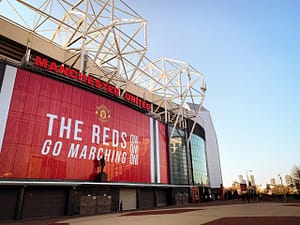
The Hidden Agony: Why Ruben Amorim Suffers More Than Any Manchester United Fan
“I’m the guy who SUFFERS more with the defeats and draws of Manchester United.” Ruben Amorim’s confession reveals the brutal toll of managing a giant in crisis—raw, real, and relentless.
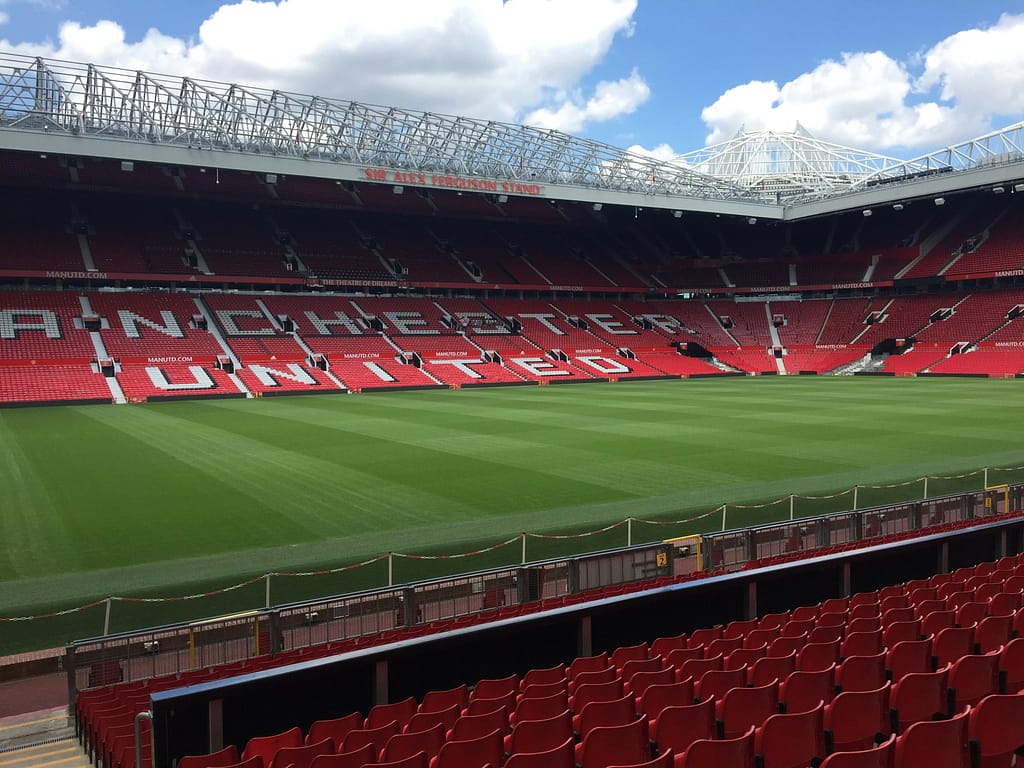
Ruben Amorim uttered words that cut deeper than any defeat. “Believe it or not, I’m the guy who SUFFERS more with the defeats and draws of Manchester United.” It’s a raw confession from a man thrust into the eye of football’s most relentless storm. Not a plea for sympathy, but a stark truth about the soul-crushing weight of managing the world’s most scrutinized club.
As of December 2025, a year into his tenure, Ruben Amorim’s United sits seventh in the table before their monday fixture against Bournemouth at Old Trafford in the Premier League, a far cry from the glory days. Yet behind the tactical tweaks and press conferences lies a human story—one of isolation, doubt, and unyielding pressure that has broken better men. This isn’t just about results; it’s about the invisible scars left by a job that devours its occupants.
Manchester United’s managerial carousel spins faster than a sprint, but Ruben Amorim’s arrival felt different. Hired in November 2024 after Erik Ten Hag’s sacking, the 40-year-old Portuguese tactician brought whispers of revolution from Sporting CP. There, he’d forged a title-winning machine on a shoestring, blending high pressing with 3-4-3 fluidity. Fans dreamed of a post-Ferguson savior. But dreams at United curdle quickly.
By early 2025, Ruben Amorim was labeling his squad the “worst team in the club’s history,” a damning verdict after a 3-1 home loss to Brighton. His win percentage dipped below even David Moyes’, the man who’d inherited Sir Alex’s throne and crumbled under it. Yet Amorim’s suffering isn’t mere hyperbole; it’s the hallmark of United’s cursed helm.
Who is Ruben Amorim? The Architect Entering the Abyss
Ruben Amorim wasn’t born to the silver spoon of elite football. Raised in Lisbon, he traded a modest playing career—mostly in Portugal’s lower tiers—for coaching at 35, after a knee injury sidelined him. His breakthrough came at Casa Pia, but Sporting was the canvas where genius emerged. In 2020, he took a third-placed side and, by 2021, delivered their first league title in 19 years.
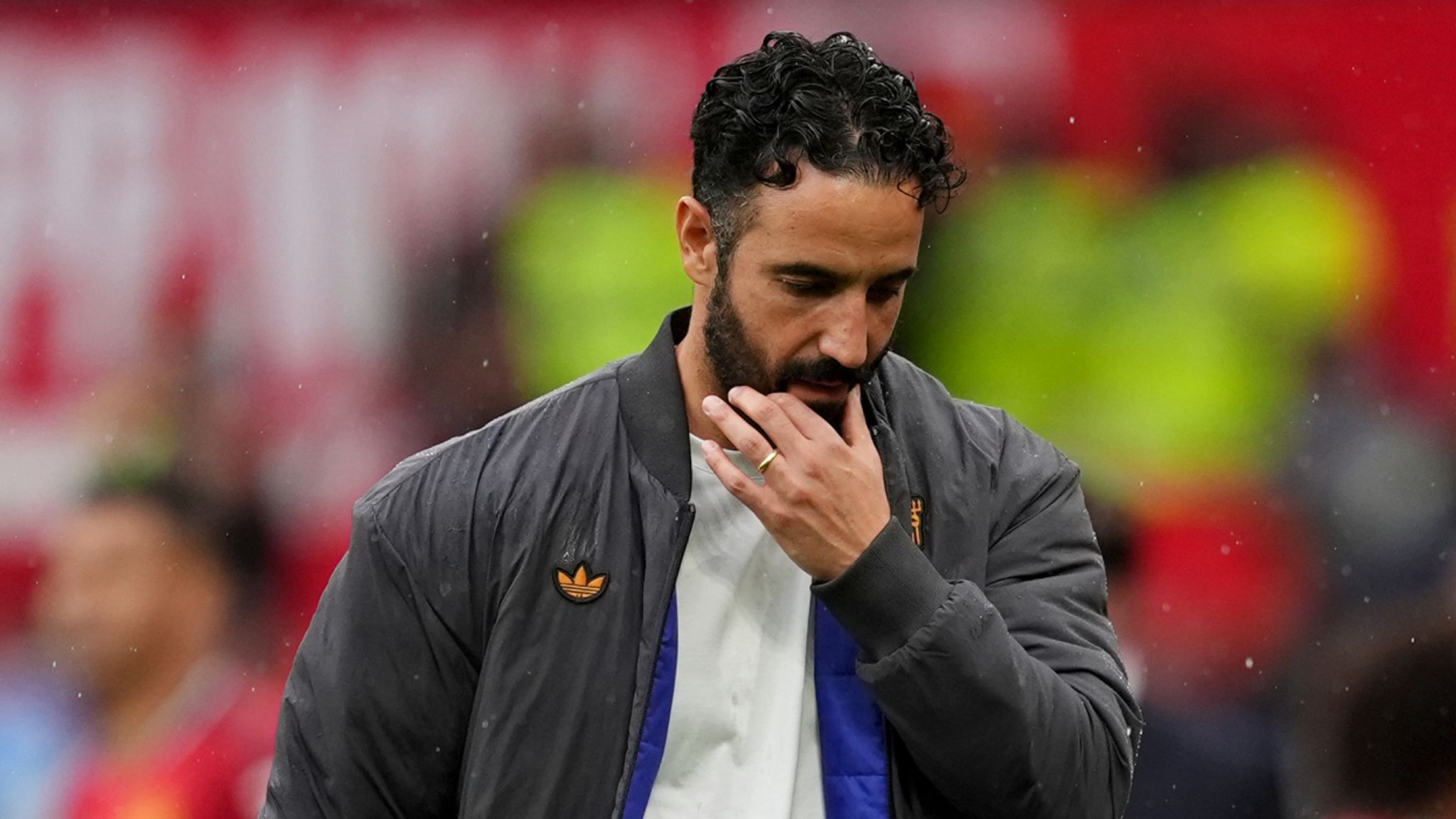
It wasn’t luck; it was meticulous build-up play, youth integration, and a back-three system that turned defenders into dynamos. Pedro Gonçalves and Viktor Gyökeres thrived under him, much like how he’d envision Rashford or Hojlund fitting his mold. But United? That’s no Portuguese idyll. Ruben Amorim joined mid-season, inheriting a squad bloated with misfits and injury-prone stars.
Ten Hag’s high line had left them porous, conceding 58 Premier League goals in 2023-24—their worst defensive record since 1978. Amorim’s philosophy demands athleticism and cohesion, yet United’s roster screamed compromise. Manuel Ugarte arrived as his midfield anchor, but early teething pains exposed frailties. “We are going to suffer,” he warned upon arrival, a prophet in his own purgatory.
By September 2025, after a 3-0 Manchester derby thrashing, he admitted, “I am suffering more than them [the fans].” It’s the vulnerability of a man who feels every lapse as a personal betrayal. Amorim’s authenticity shines in these moments. Unlike predecessors who deflected blame, he owns the chaos.
In a December 2024 presser, he lamented players “losing everything” after conceding, blaming rushed integration. Yet sources paint a lonelier picture: post-loss, he isolates in training, a “ghost of his former self,” mentally fractured by the role. This isn’t burnout; it’s the slow erosion of a coach who arrived idealistic, only to confront United’s structural rot.
Stepping into the Storm: Amorim’s Rocky First Year
November 2024: Ruben Amorim’s unveiling was electric. “I want to win everything,” he declared, eyes alight with that Sporting swagger. But reality bit hard. His debut, a 1-1 draw at Ipswich, hinted at promise—United dominated possession at 62%—yet a late equalizer underscored fragility.
By January 2025, after back-to-back losses, he was defiant: “We are the worst team maybe in the history of Manchester United,” apologizing to fans for the impending pain. The 2024-25 season ended in 15th place, their lowest since 1990, with Amorim’s points-per-game at a dismal 1.0—worse than Ten Hag’s 1.2. The toll mounted.
A Europa League final loss in May 2025 left him reflective: “The toughest time in my career… I take responsibility.” Internally, the atmosphere soured; enthusiasm from summer signings like Rasmus Hojlund evaporated amid dressing-room doubts. Amorim, ever the emotional connector—”If you’re not emotional, you cannot have a connection with the players”—found his bond fraying.
By February, after a Spurs defeat, he vented: “My job is SO HARD!” Fans chanted his name sporadically, but social media buzzed with sack calls, echoing the club’s £70 million spent on post-Ferguson dismissals. Yet resilience flickered.
Summer 2025 reinforcements—Ayden Heaven’s emergence, Bryan Mbeumo’s integration—hinted at adaptation. Amorim’s system, once rigid, showed flex: United led for 496 minutes in the first 11 games of 2025-26, more than all 27 under him last season. A 4-1 Wolves romp on December 8 praised Heaven’s duels, Amorim beaming: “We had a winning feeling.” Suffering, it seems, forges steel—if it doesn’t shatter first.
The Curse of Old Trafford: A Decade of Managerial Torment
Sir Alex Ferguson’s 2013 retirement wasn’t an exit; it was an eviction from paradise. United had won 13 Premier Leagues, 38 trophies total under him—a monolith casting eternal shadows. Post-Fergie, the club became a pressure cooker, where expectations outstrip resources. Owners Glazers and INEOS’s Ratcliffe era promised overhaul, yet instability reigns: eight permanent managers in 12 years, each a sacrificial lamb.
David Moyes, Ferguson’s anointed heir, lasted 10 months. Cherry-picked for loyalty, he faced a 7th-place finish and “Chosen One” taunts turning to boos. “The pressure was intense,” he later reflected, the job’s enormity overwhelming his Everton blueprint. Louis van Gaal followed, his philosophical pomp clashing with United’s chaos.
A Europa League triumph masked seventh again; he was sacked on the eve of a Wembley parade, quipping, “The flower of success is only beautiful for a short time.” Jose Mourinho’s 2016 arrival sparked Europa glory and a League Cup, but toxicity brewed. Clashes with Pogba and Shaw poisoned the well; by 2018, his “Special One” facade cracked into rants about “little maggots” in the media.
Sacked mid-season, he embodied United’s paradox: silverware amid decline, 81 points in 2017-18 yet sixth overall. Ole Gunnar Solskjaer’s “baby steps” honeymoon soured into a 2021 Watford implosion, his emotional ties unable to stem the bleed. Ralf Rangnick’s interim “godfather of gegenpressing” stint bemused players, yielding a sixth-place finish and Champions League embarrassment.
Ten Hag’s 2022 hire promised Ajax flair, delivering two trophies but a record-low eighth in 2023-24. Injuries ravaged his press, off-field scandals (Rashford’s antics, Antony’s form) eroded authority. By his October 2024 sacking, United’s worst start in 35 years had him under siege. Each man entered as messiah, exited as martyr—suffering not just losses, but the myth of United as perennial giants clashing with a squad adrift in mediocrity.
Echoes of Pain: Lessons from the Fallen
The post-Ferguson ledger reads like a tragedy: £70 million in severance, a revolving door of egos and excuses. Moyes spoke of “huge shoes” suffocating him; Van Gaal decried the “treachery” of boardroom politics. Mourinho, ever combative, admitted the job’s “toxicity” lingered, his United spell a “dark period” in his CV.
Solskjaer, the club’s romantic son, confessed the weight “broke” his spirit, players’ apathy amplifying isolation. Ten Hag’s fall was seismic: from treble-chasing optimism to a 3-0 Liverpool humiliation that sealed his fate. “The club is a mess,” he reportedly told confidants, per ESPN analyses.
Rangnick’s infamous “amateur” ownership barb post-tenure underscored structural woes—poor recruitment, meddling executives—that amplify on-pitch failures. United’s net spend ballooned to £1.1 billion since 2013, yet no title, only fleeting highs amid sustained lows. These tales aren’t relics; they’re warnings.
Ruben Amorim, like them, battles not just opponents but a hydra of history, hype, and dysfunction. “Every manager struggles,” notes a YouTube deep-dive, citing “player power, ownership issues, and media pressure” as the trifecta dooming United’s bosses. The suffering? It’s collective, but the manager bears the brunt—scapegoat for a club’s self-inflicted wounds.
Amorim’s Breaking Point: The Personal Inferno
Amorim’s anguish is visceral, documented in fragments that humanize the headlines. After the derby debacle, he faced fans losing faith: “My message is that I am going to give everything… I am suffering more than them.” By December 2024, he echoed, “I am still SUFFERING, like my players, because I want to win EVERY game.”
X posts from insiders paint isolation: a “lonely man” wandering from training, enthusiasm crushed, job “breaking him mentally.” In January 2025, self-doubt peaked; he needed reassurance he remained “their man,” per ESPN’s rollercoaster chronicle. This isn’t weakness; it’s the cost of passion.
Amorim’s emotional coaching—prioritizing “connection” over cold tactics—leaves him exposed. “What we have seen so far… has not been good enough,” he admitted in January, owning the “suffer together” prophecy. Fans empathize sporadically, but the vitriol—calls for his head after draws—mirrors the club’s bipolar soul.
As one X analyst noted, his system’s collapse stems from an “unbalanced squad,” not flawed vision. Ruben Amorim suffers because he cares—fiercely, foolishly, fully.
Glimmers of Hope: Suffering as the Forge
Amid the mire, flickers ignite. 2025-26 shows progress: positive expected goal difference (xGD) for the first time since 2023, shots faced down to 10.4 per game from 17.37. United’s attack, once blunt, boasts third-highest xG excluding penalties (11.2), though conversion lags.
Wins over promoted sides build momentum; the Wolves thrashing evoked “that feeling of bonding.” Amorim adapts: his front seven—Mbeumo, Cunha, Mount—crystallizes, despite looming disruptions.
“Control precedes freedom,” as one supporter philosophized on X, urging patience for his mechanisms to gel. With nine unbeaten in 10 by December, the trajectory bends upward. Suffering, Amorim insists, bonds them—players, fans, him.
The Unyielding Path: From Agony to Ambition
Ruben Amorim’s confession isn’t defeatism; it’s defiance. In United’s coliseum, managers don’t just coach—they endure, a gauntlet testing resolve against a backdrop of faded empire. Post-Ferguson, the role has felled giants, from Mourinho’s snarls to Ten Hag’s unraveling, each layer adding to the lore of torment.
Yet Amorim, scarred but standing, embodies the raw humanity beneath the badge. His suffering—more acute than fans’ roars or pundits’ barbs—fuels authenticity in a club starved for it. As 2025 wanes, with United climbing and Amorim’s ghost fading to grit, hope stirs.
Rebuilding demands time, not tantrums; coherence over chaos. The defeats and draws will scar, but they forge. Amorim suffers most because he loves most— a United manager’s eternal curse and creed. In that agony lies the seed of revival. Old Trafford awaits its next roar. Will it be his?