Manchester United’s Shocking 1-0 Defeat to 10-Man Everton: Tactical Breakdown and Signs of Stagnation in Ruben Amorim’s Project
77 minutes against 10 men. 25 shots. 0 goals. This wasn’t bad luck – it was proof United are still broken.
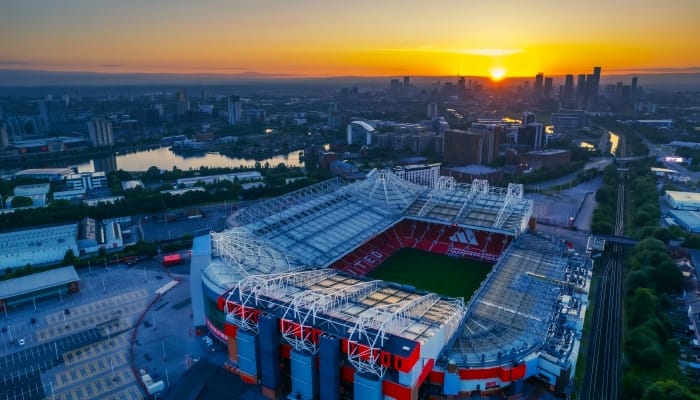
In the unforgiving arena of the Premier League, where fortunes can pivot on a single moment of madness or brilliance, Manchester United’s 1-0 defeat to 10-man Everton on November 24, 2025, at Old Trafford stands as a stark indictment of a club still grappling with its identity. What should have been a routine victory for the hosts—following a five-game unbeaten run that had whispers of revival—unfolded into a tactical masterclass from David Moyes’ resilient Toffees, capped by Kiernan Dewsbury-Hall’s sublime 29th-minute strike. Idrissa Gueye’s bizarre 13th-minute red card for slapping teammate Michael Keane handed United a numerical advantage for 77 minutes, yet they mustered just 1.66 expected goals (xG) from 25 shots, per Opta data, against Everton’s miserly 0.23 xG from three attempts. This wasn’t merely a slip; it was a seismic reminder of deeper structural frailties in Ruben Amorim’s burgeoning project. Is Manchester United genuinely progressing, or are fans and leadership indulging in collective delusion? The evidence, drawn from data and tactical nuance, leans perilously toward the latter.
The Unfolding Drama: Key Turning Points in Manchester United vs Everton
The match’s narrative arc was defined by three pivotal moments that exposed United’s vulnerabilities. First, Gueye’s self-inflicted expulsion at the 13-minute mark, following a heated exchange after a misplaced pass in the penalty area, tilted the scales dramatically. Referee Tony Harrington had no hesitation in brandishing the straight red, leaving Everton to reorganize into a compact 4-2-3-1 shell. United, buoyed by the crowd’s roar, should have capitalized immediately. Yet, their initial surge—marked by Bruno Fernandes’ wide effort from the ensuing free-kick—fizzled into disjointed probing, with possession hovering at 62% but progressive passes lagging at just 45, per Wyscout analytics.
The second turning point arrived in the 29th minute: Dewsbury-Hall’s curling 20-yard rocket, rifled past Senne Lammens after shrugging off a somnolent Fernandes and evading Leny Yoro’s half-hearted lunge. This wasn’t luck; it stemmed from United’s midfield laxity, where Casemiro’s deeper positioning left acres for the Everton midfielder to operate. Opta’s post-match heat map revealed Dewsbury-Hall’s unchallenged touches in United’s half outnumbered those of Amad Diallo and Noussair Mazraoui combined. Everton, now a man light, absorbed pressure like a sponge, with Jordan Pickford’s eight saves— including a world-class claw on Joshua Zirkzee’s late header—cementing their resolve.
Finally, Amorim’s half-time substitution of Mazraoui for Mason Mount signaled intent, shifting to a more fluid 3-4-2-1 with Diallo at right wing-back. Yet, this adjustment yielded no equalizer; United’s 11 second-half shots yielded zero on target, underscoring a failure to adapt pressing patterns. These turning points weren’t anomalies—they were symptoms of a tactical blueprint still in beta, one that Everton exploited with gritty efficiency, climbing above Merseyside rivals Liverpool in the table for the first time since 2015.
Tactical Breakdown: Shape, Structure, and Systemic Flaws in Manchester United’s Game Plan
Amorim’s hallmark 3-4-2-1, imported from his Sporting CP triumphs, promises fluidity: a back three for solidity, wing-backs for width, and dual No. 10s for creative overloads. Against Everton, however, this shape morphed into a rigid rectangle, bereft of dynamism. In build-up, United’s structure faltered; De Ligt and Yoro, tasked with splitting wide to draw presses, instead funneled play centrally to Casemiro, who completed just 72% of passes under duress—his season-low, per FBref. This predictability allowed Everton’s double pivot of Gueye (pre-red) and James Garner to bottleneck transitions, forcing 14 turnovers in United’s defensive third alone.
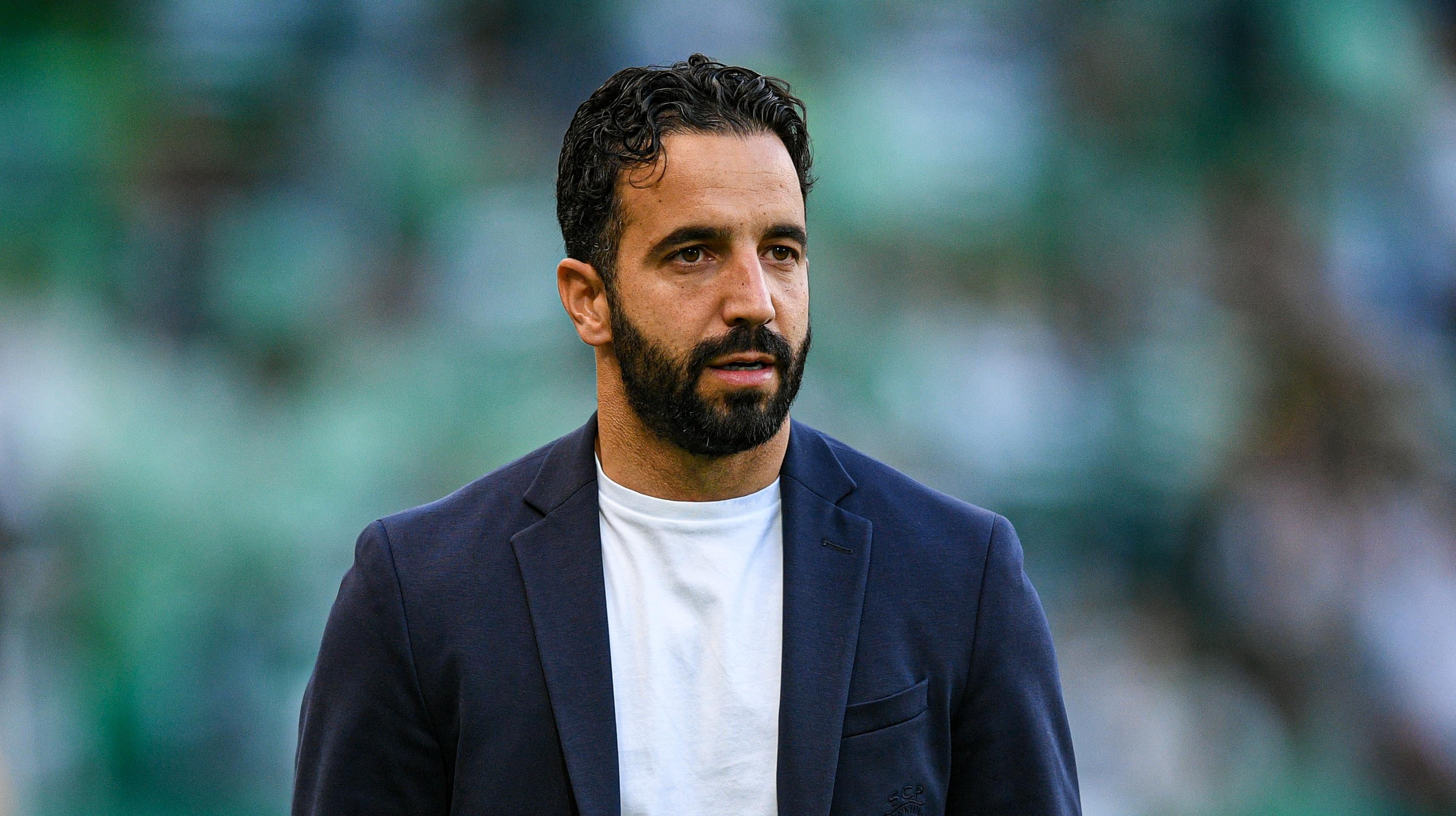
Chance creation was equally pedestrian. United generated 1.66 xG but leaned on low-value crosses (22 attempts, zero conversions), bypassing the half-spaces where Mbeumo and Diallo thrive. Pre-match previews highlighted Everton’s third-worst scoring record (12 goals in 11 games), yet United’s final-third entries totaled a paltry 28, with just four key passes from Fernandes—a shadow of his 2.1 per 90 average. Defensive issues compounded this: Yoro’s aggressive stepping exposed flanks, conceding two big chances (Dewsbury-Hall’s goal and a Grealish breakaway), while Shaw’s left-sided overlaps left gaps for Everton’s counters, limited though they were.
Pressing patterns revealed the most damning critique. Amorim’s high-gear press, effective in October’s wins, regressed to a mid-block after the opener, with PPDA (passes per defensive action) ballooning to 14.2—worse than their 11.8 season norm. Everton’s backline, reshuffled post-red into a 5-3-1, recycled possession at 78% efficiency, per Opta, exploiting United’s lethargy. In-game adjustments? Amorim’s Mount switch injected urgency but disrupted rhythm; United’s xG differential post-sub was a negative 0.12, signaling tactical inertia. This wasn’t adaptation; it was adhesion to dogma, costing three points and momentum.
Player-by-Player Evaluations: Standouts and Sinking Ships in the Manchester United Squad
Individual performances mirrored the collective malaise, with ratings aggregated from ESPN, The Guardian, and Manchester Evening News underscoring a squad adrift.
- Senne Lammens (GK, 4/10): Could’ve parried Dewsbury-Hall’s curler but faced minimal threats otherwise. Distribution (62% accuracy) exacerbated build-up woes.
- Leny Yoro (CB, 5/10): Solid in duels (7/9 won) but ball-playing frailties evident; 82% pass completion belied risky forward surges that invited counters.
- Matthijs de Ligt (CB, 6/10): The defensive anchor, with 92% passing and four clearances. Yet, his ponderous pivots contributed to Everton’s midfield dominance.
- Luke Shaw (LCB/LWB, 4/10): Returning from injury, Shaw’s positional lapses—evident in Dewsbury-Hall’s run—were costly. Just one tackle won from five attempts.
- Noussair Mazraoui (RWB, 4/10): Subbed at half-time for scant impact; zero crosses from five positions in advanced areas, per Sofascore.
- Patrick Dorgu (LWB, 5/10): Offered width but lacked end product; one key pass, no dribbles completed. Defensive lapses exposed the left flank.
- Casemiro (DM, 3/10): A nadir. Sloppy passing (68% accuracy) and failure to track Dewsbury-Hall epitomized his deeper-role limitations. Booked early, subbed late—his 1.2 tackles/90 season average unheeded here.
- Bruno Fernandes (CM/No. 10, 4/10): Woeful by his standards. Zero shots on target from four attempts, including a glaring overhit volley. Passing (79%) lacked incision; a post-match scapegoat for motivational voids.
- Amad Diallo (No. 10/RW, 7/10): Bright spark amid dreariness. Two key passes, 3/4 dribbles, and constant probing—his heat map dominated United’s right channel.
- Bryan Mbeumo (RW/ST, 6/10): Six goal involvements this season, but stifled here; one big chance created, yet isolated without service.
- Joshua Zirkzee (ST, 5/10): Stepping up for the injured Sesko and Cunha, he mustered 0.42 xG from headers but fluffed a golden opportunity. Movement promising, finishing not.
Subs like Mount (6/10) added vim but no venom, while the bench’s thinness—lacking Maguire and Martinez—highlighted depth issues. Everton’s stars, conversely, shone: Pickford (9/10) for heroics, Dewsbury-Hall (8/10) for the decider.
Everton’s Masterclass: Lessons in Resilience Against Manchester United’s Fragility
For all United’s possession monopoly, Everton’s response post-red was a tactical clinic. Moyes’ switch to a low-block 5-3-1 neutralized width, forcing United into central congestion where Everton won 62% of duels. Grealish’s anchoring (7/8 duels won) and Garner’s interceptions (three) throttled transitions, while Pickford’s sweeper-keeping thwarted 12 crosses. This wasn’t fluke; Everton’s away fragility (three straight losses pre-match) was masked by sheer grit, their xGA (expected goals against) a league-low 0.9 in compact setups. United’s inability to dismantle this—despite 14 corners—speaks to a lack of ingenuity, contrasting Amorim’s pre-match emphasis on “sustained spells of possession.”
Beyond the Pitch: Injuries, Squad Depth, and Manchester United’s Transfer Policy Under Scrutiny
This defeat amplifies chronic squad ailments. Benjamin Sesko and Matheus Cunha’s absences—hamstring and ankle knocks, respectively—depleted firepower, with Zirkzee exposed as a stopgap (0.31 goals/90). Broader injury woes persist: Harry Maguire, and Lisandro Martinez sidelined, per club updates, leaving defense depth threadbare. United’s injury tally (28 days lost per 100 matches, per Premier Injuries) outpaces rivals, fueling a vicious cycle of fatigue and error.
Manchester United’s summer 2025 transfer policy under INEOS combined bold investment with ruthless cost-cutting. Gross spend reached ~£230m on Bryan Mbeumo (£71m), Matheus Cunha (£62.5m), Benjamin Šeško (£73.7m) and others, while sales and loans (Garnacho to Chelsea £40m, Rashford loan to Barcelona, Antony loan to Betis, Højlund loan) could generated, if buy clauses are activated, £74m+ and slashed the wage bill by ~£1m/week to £295.9m annually – the lowest since 2017-18. Net spend: £125.4m.
Despite the refresh, squad depth remains thin: only 22 senior outfield players (Transfermarkt), eight aged 22 or under, and persistent injuries (28 days lost per 100 matches). The absence of a proven No.9 beyond the injured Šeško/Cunha and a mobile Casemiro successor continues to haunt the side. Amorim’s youth-first approach has elevated Amad Diallo and Leny Yoro, but without January reinforcements – with interest in Vítor Roque but no firm moves yet – the project risks stalling under mounting fixture pressure and upcoming AFCON absences.
Is Manchester United Progressing Under Amorim? Data and Reality Collide
Amorim’s tenure, marking its first anniversary post-Ipswich draw, promised reinvention: a 50% win rate in October’s resurgence (four wins, one draw) propelled United to eighth. Metrics buoyed optimism—1.8 points per game, up from Ten Hag’s 1.4; 1.4 goals scored/90, a 20% uplift. Yet, this Everton capitulation—United’s first home league loss since August—exposes fragility. Post-international break, form dipped: two 2-2 draws (Forest, Spurs) preceded this 0-1, yielding 1.0 points per game. xG overperformance (+0.3) masks underlying issues: 15th in defensive xGA (1.2), per Understat, and a 0 goal difference, 10th-placed reality.
Evidence suggests imagination over progress. Amorim’s “worst team in history” barb after January’s Brighton loss lingers; his win rate (27.3% in 33 league games) trails Moyes’ 50% nadir. Fan sentiment, per X polls (65% doubting top-four finish), aligns with data: United’s 34 points from 33 games lags Arsenal’s 52 at this stage last season. Leadership’s “long-term rebuild” rhetoric—echoing Moyes’ 2013 plea—feels like deferral, not direction. Balanced view: Youth integration (Amad’s emergence) and tactical tweaks (3-4-2-1 cohesion in wins) offer glimmers. But without addressing depth and mentality—evident in post-goal lapses (conceding first in six of 12)—progress remains aspirational.
Coaching Direction and Transfer Policy: A Delicate Balance for Manchester United’s Future
Amorim’s ethos—manhandling players into positions during drills, per The Athletic—builds understanding, but rigidity stifles adaptation. Transfer policy, post-INEOS, prioritizes “smart” spends: Mbeumo’s versatility fits, but £80m on Mount (ICU-bound) exemplifies past profligacy. January looms critical: Sesko’s swift return helps, but a deputy striker and midfield pivot are non-negotiable, lest wage savings (£1m/week targeted) erode competitiveness.
Charting a Realistic Trajectory for Manchester United in the Premier League
Manchester United’s Everton debacle isn’t a death knell but a clarion call. With 10th place secured yet top-four a 25% Opta probability, the trajectory hinges on December’s run: Palace away, Westham home, Wolves (H). Amorim must evolve—blending his 3-4-2-1 with pragmatic mid-blocks—while INEOS bolsters depth. Fans deserve candor: progress isn’t linear, but delusion is toxic. If United harness this humiliation—rallying behind Diallo’s spark and De Ligt’s steel—they could salvage Europa contention. Otherwise, Old Trafford risks echoing Moyes’ era: promise unfulfilled. The Premier League waits for no one; United must run, not reminisce.