Financial Spotlight: Manchester United’s Q1 Fiscal 2026 Earnings – A Pivotal Moment for the Red Devils’ Revival
Today Manchester United reports Q1 FY2026 earnings — the first real test of Ratcliffe’s turnaround. Record commercial growth vs no Europe: can the Red Devils deliver?
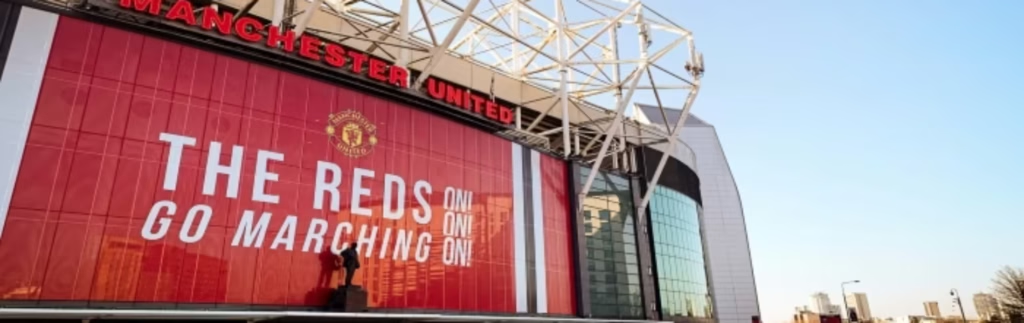
As the clock strikes 7:00 AM EST today, Manchester United plc (NYSE: MANU) will unveil its first-quarter fiscal 2026 earnings report, covering the period ended September 30, 2025. For investors, analysts, and a global fanbase of over 1.1 billion, this disclosure isn’t just a financial filing—it’s a litmus test for the club’s ambitious turnaround under new stewardship. With the Premier League’s 2025/26 season barely underway and the shadow of past underperformance lingering, these numbers could signal whether Sir Jim Ratcliffe’s INEOS-led revolution is gaining traction or merely papering over deeper fissures.
Manchester United, the storied English football giant with 20 league titles and a heritage spanning 148 years, has long been a financial behemoth. Yet, its fiscal health has been a tale of two halves: explosive commercial growth juxtaposed against on-pitch mediocrity and mounting debt. Last year’s full fiscal 2025 results painted a resilient picture—record revenues of £666.5 million despite a dismal 15th-place Premier League finish and exclusion from the Champions League. But as the club navigates Profit and Sustainability Rules (PSR), a £550.9 million net debt burden, and the high-stakes demands of elite football, today’s Q1 figures will be scrutinized for signs of sustainable progress.
In this deep dive, we’ll unpack the earnings context, dissect analyst forecasts, explore the revenue engines driving United’s finances, and examine the regulatory tightrope the club walks. Drawing from official filings, expert analyses, and recent developments, this isn’t speculation—it’s a fact-based roadmap to understanding why these earnings matter more than ever.
The Fiscal Calendar: Why Q1 is United’s Make-or-Break Quarter
Manchester United’s fiscal year aligns with the football calendar, running from July 1 to June 30, a quirk that makes Q1 (July-September) uniquely telling. This period captures the pre-season buzz, early merchandising spikes, and the critical opening salvo of the Premier League campaign—before the chaos of mid-season transfers and cup runs unfolds.
Historically, Q1 has been a revenue lightweight, often dipping due to the absence of European competitions and matchday income. In Q1 fiscal 2025 (ended September 30, 2024), total revenue fell 8.9% to £143.1 million, with broadcasting income halved from prior levels amid a transitional season. Adjusted EBITDA guidance for the full year was reiterated at £145-160 million, but the dip underscored vulnerabilities: over-reliance on commercial streams and the financial penalty of sporting failure.
For fiscal 2026, the stakes are amplified. The club enters the year without European football for the first time since 2014/15, a void that cost £50 million last year alone. Yet, full-year guidance—£640-660 million in revenue and £180-200 million in adjusted EBITDA—signals optimism, banking on cost efficiencies from Ratcliffe’s overhaul. Today’s report will reveal if early-season form (a 7-4-4 record through mid-December, good for sixth place) is translating to the balance sheet.
Analyst Expectations: Guarded Optimism Amid Red Flags
Wall Street’s crystal ball for Q1 2026 is cautiously bullish on top-line growth but wary of profitability. Consensus estimates peg revenue at $214.99 million (£169.5 million at current exchange rates), a robust 15.6% jump from Q1 2025’s $186.07 million (£143.1 million). This uplift is attributed to the Snapdragon sponsorship’s full-year ramp-up and early matchday surges from renewed fan enthusiasm under manager Ruben Amorim.
On the bottom line, analysts forecast a narrower loss of $0.09 per share, improving from $0.27 in the prior quarter—a trend of six consecutive quarterly losses but with shrinking deficits. Seeking Alpha notes a 50% EPS beat rate over the past year, hinting at potential upside if commercial levers pull harder than expected.
TipRanks’ AI-driven Spark rates MANU as “Neutral,” citing high leverage (debt-to-equity ratio hovering near 1.5) and negative profitability as drags, offset by technical buy signals. The average price target sits at $16.50, implying modest 10% upside from current levels around $15. Broader sentiment? Mixed. Benzinga highlights on-field momentum as a stock catalyst, dubbing United “Musk’s favorite soccer team” for Elon Musk’s vocal fandom, but warns of PSR constraints curbing transfer spending.
| Key Q1 FY2026 Consensus Estimates | Value | YoY Change |
|---|---|---|
| Revenue | $214.99M | +15.6% |
| EPS (Loss per Share) | ($0.09) | Improved from ($0.27) |
| Adjusted EBITDA Guidance (Full Year) | £180-200M | +12.5% midpoint |
These figures aren’t pulled from thin air—they’re grounded in United’s three straight quarters of £200 million+ revenue, a historic first. But with cash reserves at £86.1 million as of June 30, 2025 (up from £73.5 million prior year), any overrun on wages or debt servicing could spook markets.
Revenue Breakdown: The Commercial Colossus Endures
Manchester United’s financial engine hums on three cylinders: commercial, broadcasting, and matchday. In fiscal 2025, they fired on all, hitting £666.5 million total—up 0.7% despite no Champions League cash. Commercial led the charge at £333.3 million (50% of total), a 10% YoY surge fueled by the £60 million-a-year Snapdragon deal and retail innovations like a revamped e-commerce platform. Merchandising alone jumped 15.8% to £144.9 million, proving the United brand’s gravitational pull transcends results.
Broadcasting contributed £173.0 million, propped by Premier League equal shares (£100 million+ annually) but dented by Europa League participation. Matchday hit a record £160.3 million, up 17%, thanks to sold-out Old Trafford (74,310 capacity) and dynamic pricing that, while controversial, boosted yields.
For Q1 2026, expect commercial to shine again: Heineken’s global beer partnership (through 2028) and renewals with DHL, Konami, and Hong Kong Jockey Club add £20-30 million annualized. Early-season home games against Fulham, Manchester City, Liverpool, and Arsenal should lift matchday to £40-50 million, versus £35 million last Q1. Broadcasting? Steady at £30-40 million, absent European windfalls.
Yet, cracks show. Without Champions League merit payments (£50-100 million potential), Manchester United’s revenue ceiling feels capped. Deloitte ranks them fourth globally at £651 million (FY2024 basis), trailing Real Madrid (£883 million) and Manchester City (£708 million). The club’s response? Diversification. MUTV’s global reach and licensing deals (e.g., Adidas extensions) buffer volatility, but analysts eye sponsorship saturation—can United lure more without silverware?
Ratcliffe’s Revolution: Investments, Cuts, and the £2 Billion Stadium Gamble
Sir Jim Ratcliffe’s December 2023 entry—£1.25 billion for 27.7% stake, now 28.94% after a £79 million top-up—promised salvation from Glazer-era debt (£650 million net at takeover). Nearly £300 million injected so far targets infrastructure, not transfers, per SEC filings: training ground upgrades, Carrington revamps, and scouting tech.
The impact? Mixed. Cash dipped to £73.2 million by March 2025 amid £47.8 million in review costs and redundancies (250 jobs cut), but fiscal year-end rebounded to £86.1 million. Operating losses narrowed from £69.3 million to £18.4 million, with £40-45 million annual savings projected from restructuring. CEO Omar Berrada, poached from Manchester City, credits “resilience” for record revenues, but Ratcliffe’s personal hit—$700 million paper loss on shares bought at $33 (now ~$15)—stings.
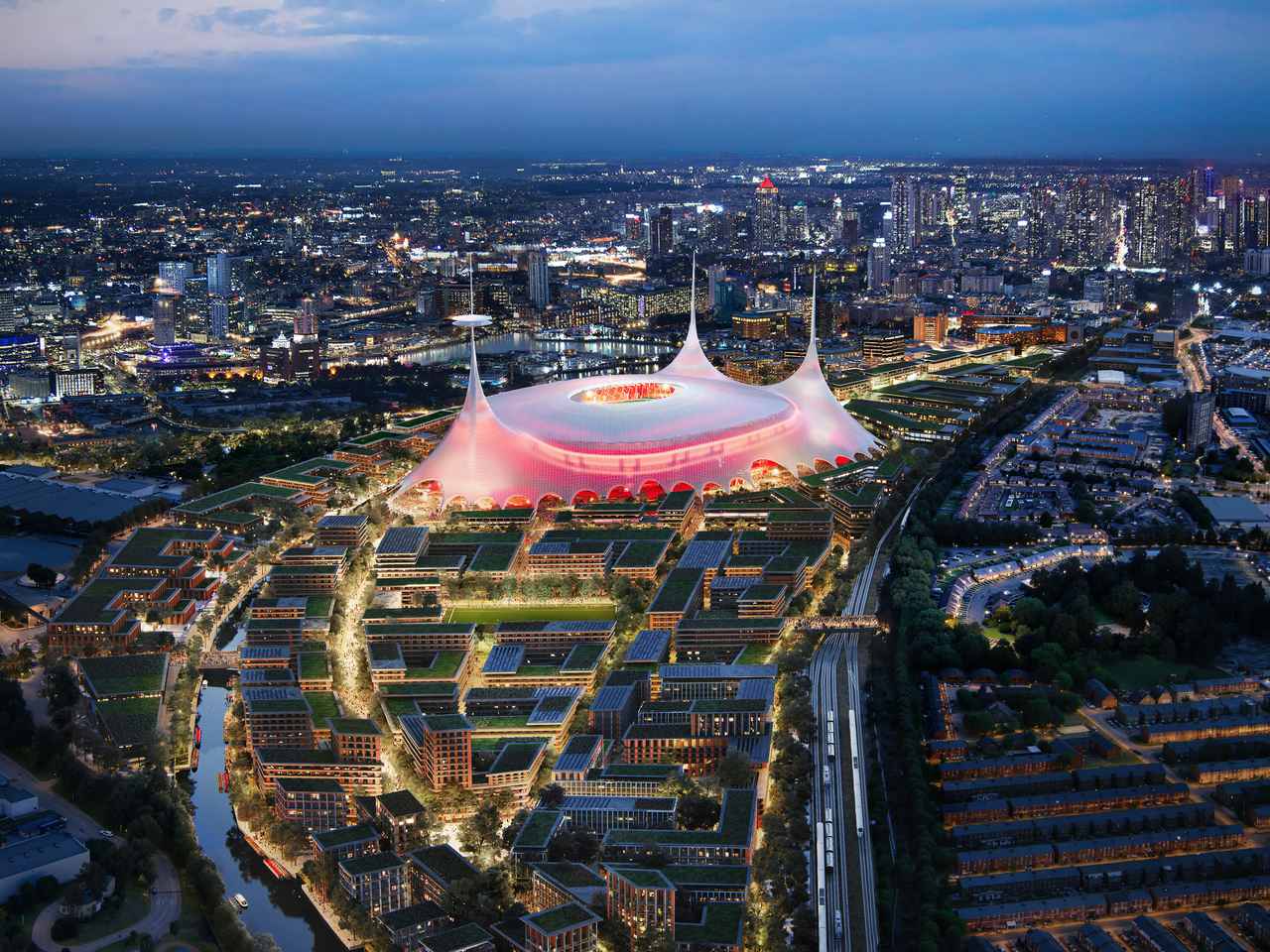
The crown jewel? A £2 billion, 100,000-seat stadium near Old Trafford, unveiled in March 2025, promising £7.3 billion annual UK economic boost. Funded partly by Ratcliffe’s additional £100 million by year-end, it could double matchday revenue to £300 million+ long-term. But critics decry ticket hikes (up 50% in spots) as fan-unfriendly, fueling protests. For Q1, these initiatives yield indirect benefits: heightened brand buzz from Amorim’s appointment and youth promotions like Kobbie Mainoo.
Navigating PSR: The Regulatory Sword of Damocles
Premier League PSR—capping three-year losses at £105 million—looms large, especially with new Squad Cost Ratio (SCR) rules deferred to 2026/27. Manchester United flirted with breaches last year, prompting sales of assets like women’s team stakes (now banned under 2025 reforms). UEFA’s 70% squad cost cap by 2025/26 adds pressure, limiting wages/transfers to 70% of revenue.
For United, £350 million+ wage bill (50% of revenue) is a red flag; PSR compliance drove January 2025’s muted window. Ratcliffe’s cost cuts help, but fan letters warn of “unsustainable” paths without revenue diversification. Q1 will spotlight PSR headroom: if EBITDA hits guidance, breathing room expands for summer targets.
Broader context? Manchester City’s APT lawsuit delays anchoring caps (£600 million squad spend limit by 2026), but Manchester United’s high debt insulates somewhat—borrowings aren’t losses under PSR. Still, breaches risk points deductions, as Everton learned.
The Bigger Picture: On-Field Echoes in the Boardroom
Sporting woes bleed into finances: 15th in 2024/25 cost Champions League revenue, but sixth-place form now (7 wins in 15) hints at Europa League return—£20-30 million boon. Amorim’s tactics, blending youth and veterans, have revitalized attendance (95%+ capacity), directly padding matchday.
Globally, Manchester United’s brand endures: fourth in Deloitte’s Money League, with Asia-Pacific growth via Konami ties. But rivals like City leverage Abu Dhabi wealth; United must innovate—NFTs, metaverse experiences—to close the gap.
Investor Takeaways: What to Watch Post-Earnings
- Beat or Miss? Revenue upside from early wins could spark a 5-10% stock pop; EBITDA shortfalls may drag it down.
- Guidance Tweak: Full-year reaffirmation signals stability; upward revisions on commercial would thrill.
- Debt Update: Servicing £59 million annual interest—any refinancing hints?
- Stadium Tease: Progress on the £2B project could ignite long-term multiples.
Manchester United’s Q1 isn’t just numbers—it’s a narrative pivot. From Glazer debt to Ratcliffe reinvention, the club embodies football’s financial fragility. As Berrada notes, resilience defines the Reds. Will today’s report fuel glory or expose cracks? The pitch awaits.
About The Author