Explosive Strait of Hormuz Standoff: A Dangerous Oil Price Shock Reshaping the Global Economy
The Strait of Hormuz standoff has triggered a sharp oil price shock, shaking global markets and exposing economic vulnerabilities worldwide.
Strait of Hormuz Standoff and Its Strategic Importance
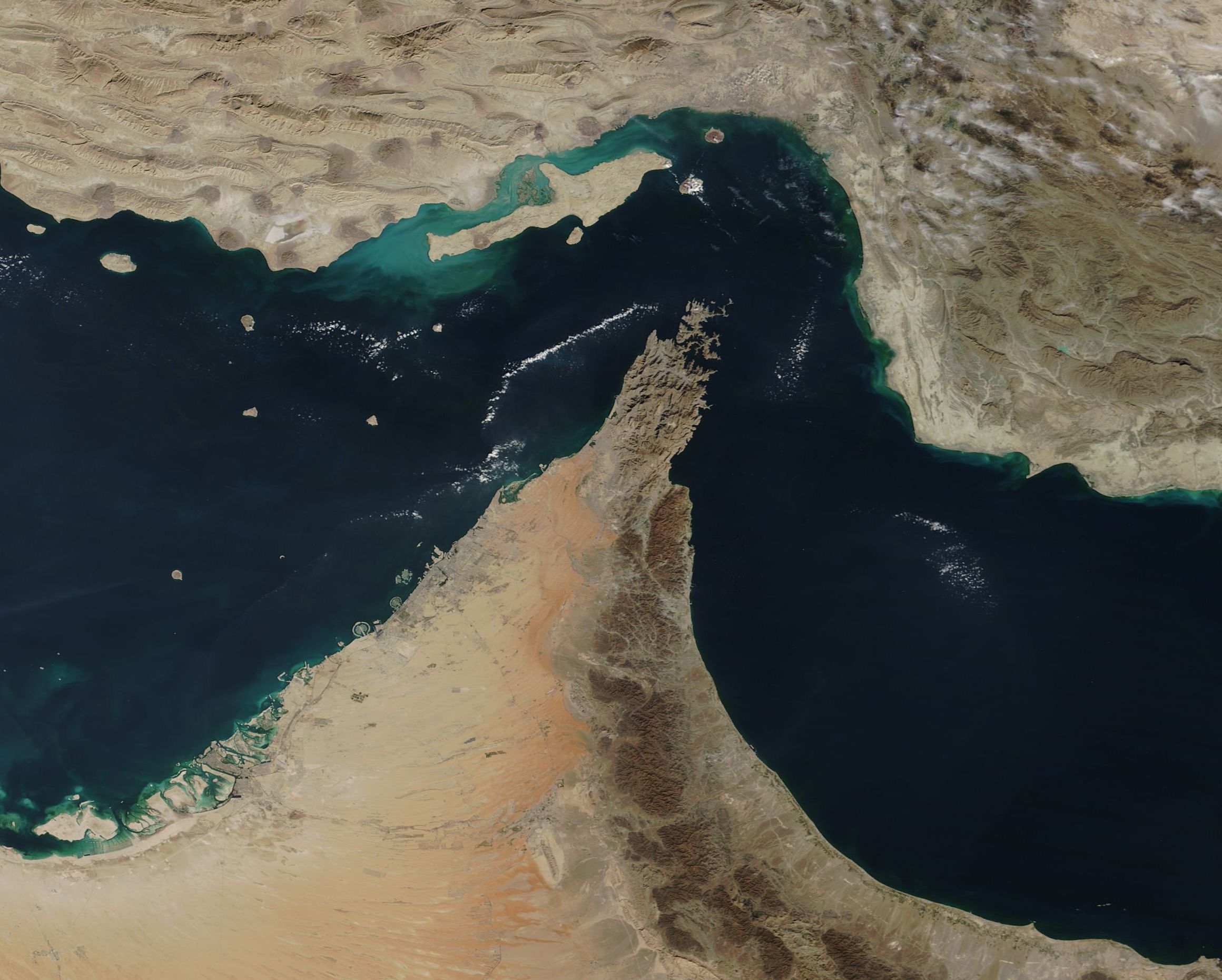
The Strait of Hormuz standoff has quickly evolved into one of the most consequential geopolitical developments in recent months, not because of the isolated incident itself, but because of where it occurred and what it threatens. The Strait of Hormuz is a narrow maritime corridor linking the Persian Gulf to global markets, and it carries roughly one-fifth of the world’s oil supply. This makes the Strait of Hormuz standoff far more than a regional dispute; it is a systemic risk event embedded within the architecture of global trade.
The recent seizure of an Iranian vessel by the United States, tied to allegations of evading port restrictions, has heightened tensions in an already fragile region. Iran’s response, including threats of retaliation and increased scrutiny over shipping movements, has amplified fears that oil flows could be disrupted. Even without a full blockade, the mere possibility of interference is enough to destabilize expectations. This is because the global economy is structurally dependent on uninterrupted flows through this chokepoint, and any threat to that continuity immediately translates into economic risk.
What makes the Strait of Hormuz standoff particularly dangerous is the absence of viable substitutes. While pipelines exist in the region, they cannot fully compensate for maritime transport capacity. This creates a bottleneck effect where even limited disruptions can have outsized consequences. The global economy, in essence, is exposed to a single point of failure, and that vulnerability is now being tested.
Oil Price Shock and Energy Market Volatility
The most immediate manifestation of the crisis has been the oil price shock, with prices rising by approximately 4% following the escalation. While such a movement may seem modest compared to historical spikes, the context in which it occurs gives it far greater significance. The oil price shock reflects not just current supply conditions, but the market’s reassessment of future risks.
Energy markets operate on expectations as much as on physical supply. The seizure of the vessel introduced a new layer of uncertainty, prompting traders to price in the possibility of further disruptions. This is why the oil price shock occurred rapidly, even before any sustained interruption of oil flows. It represents a shift in perceived risk, and that shift alone can influence investment decisions, production planning, and consumption patterns.
The resulting energy market volatility is now a defining feature of the situation. Prices are likely to fluctuate sharply as new information emerges, creating an unstable environment for both producers and consumers. For oil-importing countries, this volatility complicates budgeting and planning, while for producers, it introduces uncertainty about future demand and pricing stability. The broader implication is that volatility itself becomes a source of economic strain, independent of the absolute price level.
Global Inflation Pressures and Cost of Living
The global inflation pressures triggered by the crisis are among its most immediate and widespread consequences. Energy costs are deeply embedded in the production and distribution of goods and services, meaning that an increase in oil prices inevitably feeds into broader price levels. The global inflation pressures stemming from the standoff are therefore not confined to fuel markets; they extend across entire economies.
As transportation costs rise, the price of moving goods increases, affecting everything from food to manufactured products. Agricultural production becomes more expensive due to higher fuel and fertilizer costs, while industrial sectors face increased input expenses. These dynamics create a chain reaction in which businesses pass on higher costs to consumers, reinforcing the cycle of global inflation pressures.
For households, the impact is tangible and immediate. Higher fuel prices reduce disposable income, while rising costs of essential goods erode purchasing power. For policymakers, the situation presents a complex challenge. Central banks must balance the need to control inflation with the risk of slowing economic growth. The global inflation pressures linked to the Strait of Hormuz standoff thus extend beyond economics into the realm of policy and governance, influencing decisions that shape entire economies.
Global Trade Disruption and Supply Chain Risks
The global trade disruption caused by the standoff highlights the fragility of interconnected supply chains. The Strait of Hormuz is not only a conduit for oil but also a critical route for broader maritime trade. When tensions rise, shipping activity slows, insurance costs increase, and logistical uncertainties multiply. The current global trade disruption is therefore both direct, through reduced tanker traffic, and indirect, through heightened risk perceptions.
Supply chains, which rely on predictability and efficiency, are particularly vulnerable to such disruptions. Delays in energy shipments can ripple through manufacturing processes, leading to production slowdowns and inventory shortages. The global trade disruption also affects countries unevenly, with energy-importing nations facing greater exposure. Economies in Asia, which depend heavily on Middle Eastern oil, are especially at risk of experiencing slowed industrial activity and increased trade imbalances.
What makes the global trade disruption more concerning is its potential persistence. Even if physical flows are not significantly reduced, the perception of risk can lead to long-term changes in shipping patterns, increased costs, and a re-evaluation of supply chain strategies. This could result in a less efficient but more resilient global trade system, with significant implications for economic growth.
Geopolitical Risk and Energy Security Concerns
At its core, the crisis is driven by geopolitical risk, which has once again become a dominant force shaping economic outcomes. The Strait of Hormuz standoff underscores how political tensions can quickly translate into economic instability. The geopolitical risk associated with the situation extends beyond the immediate actors, influencing global alliances, military strategies, and diplomatic efforts.
One of the most critical dimensions of this geopolitical risk is its impact on energy security concerns. Countries are now forced to confront the reality that their energy supplies depend on a vulnerable chokepoint. This realization is likely to accelerate efforts to diversify energy sources, invest in strategic reserves, and develop alternative transport routes. The interplay between geopolitical risk and energy security concerns is shaping a new phase in global energy policy, one defined by a search for resilience.
At the same time, the risk of escalation remains a significant concern. A broader conflict in the region could lead to severe disruptions in oil supply, driving prices much higher and amplifying economic instability. The geopolitical risk inherent in the standoff is therefore not just a background factor; it is a central driver of current and future economic conditions.
Positive Outcomes Amid the Strait of Hormuz Standoff
Despite its risks, the Strait of Hormuz standoff also creates certain positive dynamics within the global economy. One of the most notable is the potential acceleration of the energy transition. Higher oil prices improve the competitiveness of renewable energy sources, encouraging investment in solar, wind, and other alternatives. In this sense, the Strait of Hormuz standoff may act as a catalyst for long-term structural change.
Energy-exporting nations also benefit from increased revenues, which can strengthen fiscal positions and support economic development. These gains, however, are often temporary and depend on sustained price increases. Additionally, the crisis may drive innovation in energy efficiency and alternative technologies, as businesses and governments seek to reduce their exposure to volatile fossil fuel markets.
Negative Economic Consequences and Long-Term Risks
The negative economic consequences of the crisis, however, are far more extensive and immediate. Rising energy costs act as a drag on economic growth, reducing consumer spending and increasing production costs. The negative economic consequences are particularly severe for developing economies, which often have less capacity to absorb price shocks.
There is also a significant risk that prolonged instability could lead to a broader economic slowdown or even a global recession. The combination of negative economic consequences, persistent inflation, and supply chain disruptions creates a challenging environment for growth. Over time, these factors could reshape the global economic landscape, leading to slower growth and increased fragmentation.
Strait of Hormuz Standoff and the Future of the Global Economy
The Strait of Hormuz standoff is more than a geopolitical incident; it is a stress test for the global economic system. The 4% oil price increase serves as an early warning signal of deeper vulnerabilities, highlighting the extent to which modern economies depend on stable energy flows and predictable trade routes.
As the situation unfolds, its ultimate impact will depend on whether tensions escalate or ease. What is already clear, however, is that the Strait of Hormuz standoff has exposed critical weaknesses in the global system while also accelerating shifts that may define the future of energy and trade. In a world increasingly shaped by uncertainty, the ability to adapt to such shocks will determine economic resilience and long-term stability.
About The Author