Cole Palmer: Homesick in London? Analyzing the Rumors of a Sensational Return to Manchester with United
Cole Palmer has become one of the most talked-about names in the January transfer conversation after reports linked the Chelsea star with a potential move to Manchester United. Claims of homesickness, questions over Chelsea’s long-term direction, and United’s ongoing rebuild have placed Palmer’s future under a growing spotlight across English football.
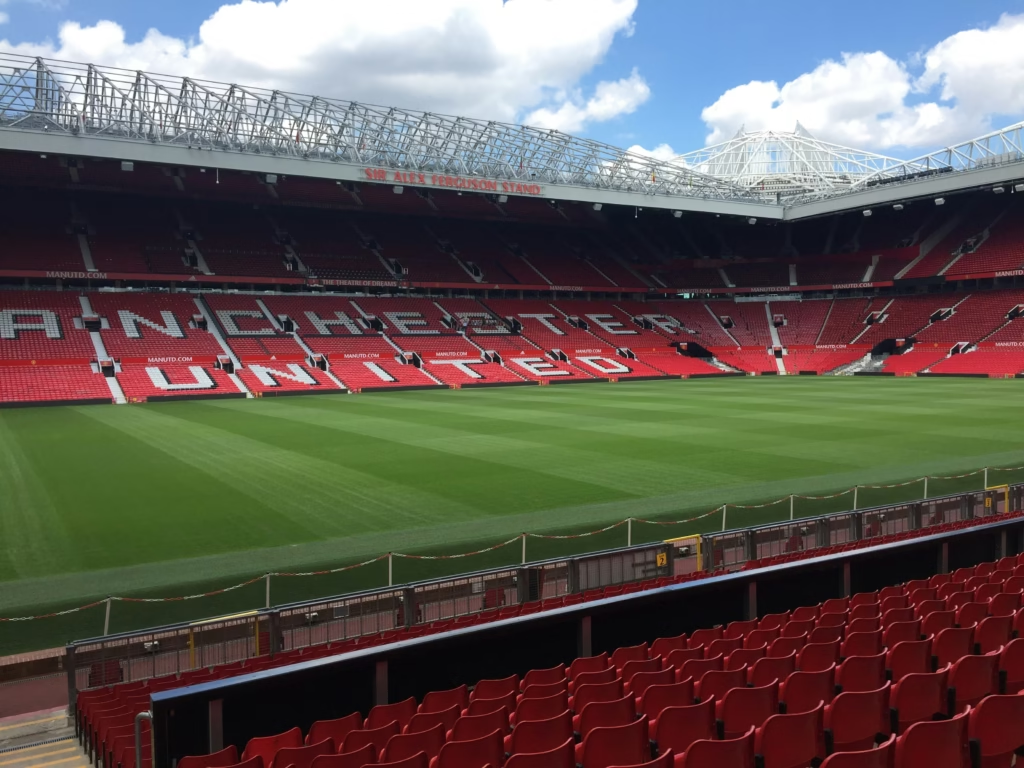
A Transfer Story Built for Attention
Cole Palmer’s name is quickly becoming one of the most discussed in the January transfer conversation. Fresh reports linking the Chelsea star with a potential move to Manchester United have reignited debate about his long-term future at Stamford Bridge. With claims of homesickness, questions around Chelsea’s direction, and United’s ongoing rebuild, Palmer now sits at the center of one of the most intriguing storylines in English football.
At first glance, the story sounds almost too perfect for the transfer window: a Manchester-born footballer, a boyhood United fan, thriving early in his Chelsea career, now rumored to be missing home and questioning his future. Yet modern football rarely follows sentimental scripts. Contracts are long, fees are enormous, and clubs protect elite assets aggressively. To understand whether this is substance or simply winter noise, it is essential to explore Palmer’s journey, his current situation at Chelsea, Manchester United’s motivations, and the wider forces shaping this rumor.
Manchester Roots and the Making of Cole Palmer
Cole Palmer’s roots are deeply tied to Manchester. Born and raised in Wythenshawe, an area with a strong football identity, he grew up surrounded by the culture of the game. Like many young players from the city, football was not just a sport but a daily environment. Local pitches, academy trials, and weekend matches shaped both his ambitions and his personality. His childhood support for Manchester United has been widely referenced over the years, adding an emotional layer to any potential return.
Despite those early allegiances, Palmer entered Manchester City’s academy, where he was developed within one of the most sophisticated youth systems in Europe. His progression was defined by technical refinement rather than physical dominance. Coaches valued his balance, close control, and intelligence between the lines. He became known as a player who could slow the game down, read space instinctively, and decide actions with unusual calm for his age.
Breaking into City’s senior squad, however, brought a new challenge. Pep Guardiola’s side offered world-class coaching but limited opportunity. Palmer featured, contributed, and collected medals, yet consistent starts were difficult to secure. In a squad overflowing with established internationals, minutes were precious. For a creative player who thrives on rhythm and confidence, the lack of continuity gradually became restrictive rather than developmental.
The Chelsea Move That Changed Everything
Palmer’s decision to join Chelsea marked the first major turning point of his career. The move was not just about changing clubs; it was about redefining his status. At Stamford Bridge, he was no longer a promising option. He became a reference point. From his first months, Palmer imposed himself as Chelsea’s most reliable attacking outlet. He scored, assisted, dictated play, and took responsibility when pressure was highest.
What stood out most was not only his output, but the manner of it. He played with composure, authority, and clarity. He demanded the ball, assumed creative leadership, and repeatedly delivered decisive moments. In a young, inconsistent Chelsea side, Palmer quickly became the player teammates looked for when matches stalled. His rise from squad player to talisman was rapid and convincing.
That first season shaped expectations. It positioned Palmer as the face of Chelsea’s attacking rebuild and one of the Premier League’s most influential young players. With a long-term contract secured, the assumption was that both club and player were aligned on a shared future built around his influence.
A Complicated Second Chapter at Stamford Bridge
The following campaign has been less straightforward. Chelsea’s long-running instability has not disappeared. Tactical changes, managerial turnover, and recurring injuries have prevented the side from developing sustained fluency. Palmer has continued to contribute, but his role has often shifted. At times he has carried the burden of creation almost alone. At others, he has been part of systems that did not always amplify his natural instincts.
Form fluctuations are normal, particularly in turbulent environments. Yet when a player who previously seemed liberated begins to look restrained or isolated, narratives form quickly. Every subdued performance is magnified. Every frustrated gesture is dissected. It is within this environment that talk of personal unease and emotional distance from London has emerged.
Crucially, this does not mean Palmer is failing. His numbers remain strong. His influence remains visible. But footballers are not immune to context. Creativity thrives on stability, clarity, and belief. When those foundations wobble, even elite talents can begin to feel disconnected from their surroundings.
The Homesickness Narrative and Its Power
The suggestion that Palmer may be homesick is the emotional core of this entire story. Reports claiming he misses Manchester — his family, friends, and sense of familiarity — resonate because they humanize the rumor. Footballers are often discussed as assets, but relocation reshapes every aspect of daily life. Environment matters. Support systems matter. Comfort matters.
For a player who spent nearly his entire life in one city before moving south, the adjustment is significant. London offers exposure, but it also brings anonymity, distance, and intensity. Over time, even success can feel hollow if emotional grounding is missing. That does not automatically lead to transfers, but it can create internal questioning.
However, there is a clear distinction between possibility and confirmation. Palmer has not publicly expressed dissatisfaction. He has not requested a move. He has not criticized Chelsea. What exists is circumstantial alignment: a dip in rhythm, a club in transition, and a player with well-known roots elsewhere. In modern football culture, that combination is enough to sustain headlines.
Why Manchester United Makes Sporting Sense
While emotion fuels the rumor, football logic sustains it. Manchester United are searching for direction. Their rebuild requires players capable of dictating matches, not merely surviving them. Palmer fits that requirement naturally. He offers creative intelligence, positional flexibility, and proven Premier League productivity. He is young enough to build around, but experienced enough to influence immediately.
United are also approaching a structural crossroads. Over the next few seasons, leadership roles within the squad will evolve. Creative responsibility will shift. Recruitment planning increasingly focuses on players who can become long-term reference points rather than short-term fixes. From that perspective, Palmer represents exactly the type of profile elite clubs monitor continuously.
There is also a cultural element. Clubs often value players who understand the weight of the badge, the city, and the expectations. Palmer’s Manchester background, combined with his development in elite English systems, aligns naturally with United’s traditional recruitment priorities. Even without the homesickness narrative, he would be on the radar.
Chelsea’s Leverage and the Financial Reality
Any discussion of a possible move must confront Chelsea’s position. Cole Palmer is not a negotiable extra. He is one of their most valuable sporting and commercial assets. His long contract reflects both faith and control. Chelsea do not need to sell him. If they ever chose to, it would only be under extraordinary conditions.
Selling Palmer would risk destabilizing their rebuild and alienating supporters who view him as the symbol of a brighter phase. It would demand a fee high enough to reshape their squad planning entirely. That places enormous financial and strategic pressure on any interested club.
From United’s perspective, such a deal would not only test budget limits but also reflect intent. It would signal a willingness to construct a project around Palmer’s abilities. Whether that alignment exists at executive level is something only time will reveal.
What This Would Mean for Palmer Himself
For Palmer, a potential return to Manchester would go far beyond a transfer. It would represent a homecoming under the harshest possible spotlight. Joining Manchester United is not a neutral move. It reshapes perception, expectation, and scrutiny. It would bring him closer to personal roots, but also into one of football’s most demanding environments.
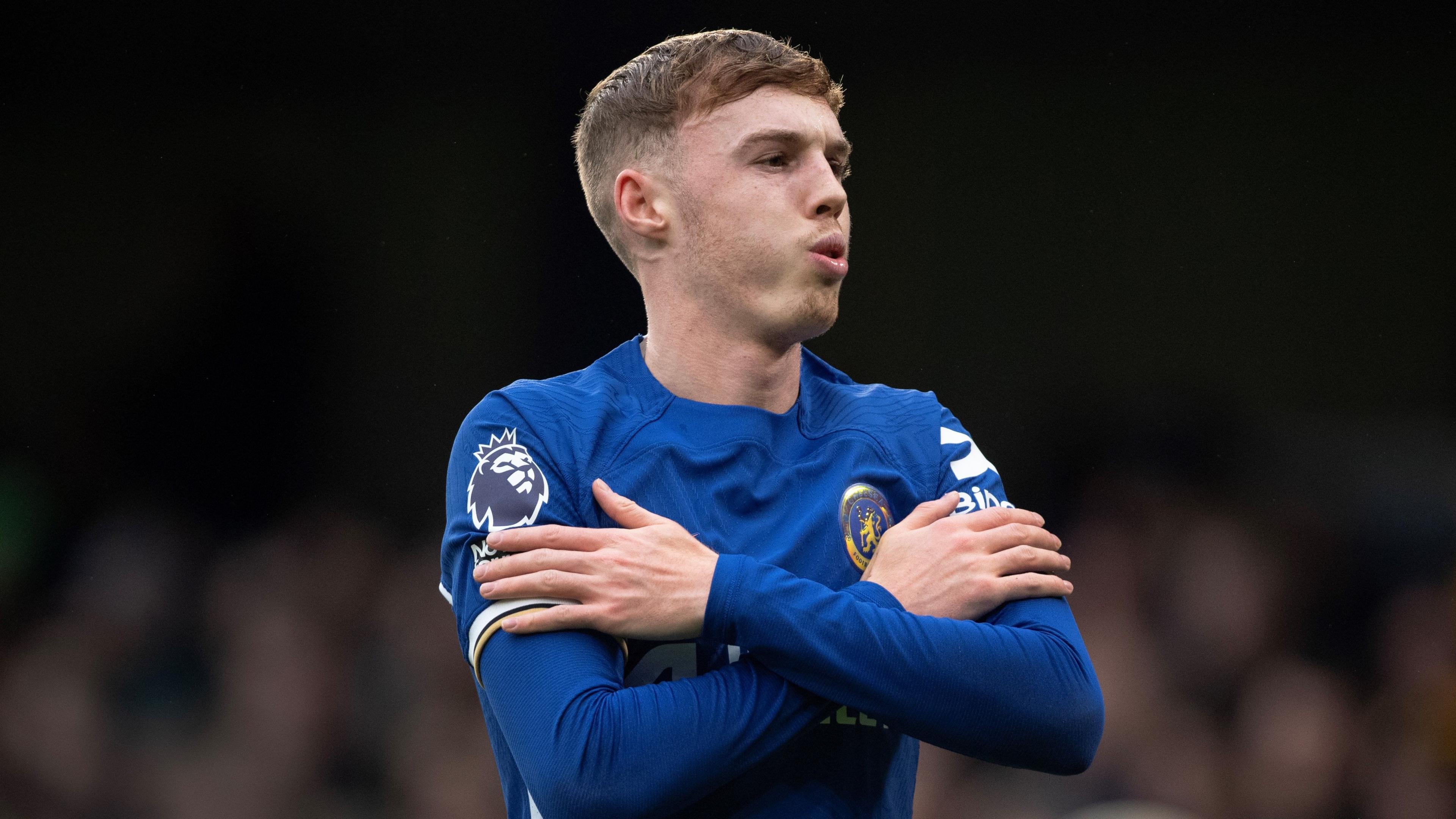
Such a decision would force a balance between emotional comfort and professional risk. He would be returning not as a prospect, but as a centerpiece. The responsibility would be immediate. The margin for quiet adaptation would be minimal.
That reality is precisely why, even if homesickness exists, it does not automatically lead to departure. Players at Palmer’s level weigh legacy, development, and stability carefully. Any move he makes next will likely define the central years of his career.
Rumor, Reality, and the Space Between
At present, Cole Palmer remains a Chelsea player and one of the Premier League’s most influential young attackers. There is no confirmed bid. No formal request. No official indication that a move is imminent. What exists is a compelling convergence of context: a club in flux, a player whose emotional roots lie elsewhere, and a giant institution searching for creative leadership.
Football history shows that when such narratives persist, they rarely emerge from nothing. It also shows that many fade without consequence. Until concrete actions replace speculation, this story sits in the space between rumor and possibility.
For now, it should be treated not as destiny, but as a developing subplot in a career still very much in motion. Whether Cole Palmer’s future ultimately leads back to Manchester or continues in London, the attention surrounding his name reflects one undeniable truth: he is no longer a supporting character in English football. He is a central figure, and every chapter now carries weight.
About The Author