The Iran War: A Geopolitical Earthquake Redefining the World Order
Iran-US-Israel conflict explodes: Mojtaba Khamenei named Supreme Leader, oil tops $114, markets plunge. Global inflation, energy crisis loom in March 2026 war.
In the early hours of February 28, 2026, the world awoke to the thunder of airstrikes as the United States and Israel launched Operation Epic Fury against Iran. This joint assault, which killed Supreme Leader Ali Khamenei and dozens of senior officials, marked the most audacious military intervention in the Middle East since the 2003 invasion of Iraq. What began as a targeted decapitation strike has spiraled into a full-scale war, drawing in regional proxies, disrupting global energy flows, and threatening to upend the post-World War II international order. With missiles raining on Israel, U.S. bases under siege, and oil prices shattering records, the Iran war could fracture alliances, ignite economic turmoil, and accelerate the shift toward a multipolar world where U.S. dominance wanes. As President Donald Trump’s administration vows “unconditional surrender” from Tehran, the stakes extend far beyond the Persian Gulf potentially reshaping global politics for decades.
The Iran war’s origins trace back to escalating tensions over Iran’s nuclear program, its support for militant groups like Hezbollah and the Houthis, and brutal crackdowns on domestic protests. Trump’s massive U.S. military buildup in the region, the largest since 2003 culminated in strikes on Iranian missile sites, air defenses, and leadership compounds. Iran, undeterred, retaliated with waves of ballistic missiles and drones under Operation True Promise 4, targeting Israel and U.S. assets across the Gulf. By March 9, 2026, the death toll has surpassed 1,000, with civilian casualties mounting from strikes on schools and infrastructure. This is no contained skirmish; it’s a war of choice that risks engulfing the region and beyond, forcing nations from Europe to Asia to recalibrate their strategies in a newly volatile world.
Why the Iran War Is Sending Shockwaves Across Global Markets
The Iran war has unleashed immediate economic havoc, exposing the fragility of global supply chains and energy dependencies. Oil tankers are rerouting around the Strait of Hormuz, a chokepoint for 20% of the world’s oil, as Iranian drones and missiles target Gulf infrastructure. Airspace closures in Iran, Iraq, Israel, and several Gulf states have stranded hundreds of thousands of travelers and disrupted cargo flights. Shipping firms like Maersk have paused routes through the Suez Canal and Bab el-Mandeb Strait, adding weeks to transit times and inflating costs.
Markets reacted swiftly: U.S. stocks plummeted over 2% in early trading on March 9, while European indices followed suit amid fears of prolonged disruption. The war’s ripple effects extend to commodities beyond oil grain shipments from the Black Sea are delayed, exacerbating food insecurity in vulnerable regions. Insurers have canceled war-risk coverage for Gulf shipping, effectively blockading key routes and forcing governments like the U.S. to consider providing escorts and guarantees.
This Iran war escallation tests the resilience of globalization. As one analyst noted, the conflict could mark the “tipping point” where multipolar powers like China and Russia exploit the chaos to advance their agendas, potentially redrawing trade alliances and accelerating de-dollarization efforts. For businesses, force majeure clauses invoked for uncontrollable events like war are becoming commonplace, signaling widespread contractual disruptions. The International Monetary Fund warns that sustained instability could shave 0.15% off global GDP for every 10% rise in oil prices, pushing the world economy toward recession.
The Rise of Mojtaba Khamenei and Iran’s Hardline Future
Amid the bombardment, Iran’s Assembly of Experts appointed Mojtaba Khamenei, the 56-year-old son of the slain Ali Khamenei, as the new Supreme Leader on March 8, 2026. This dynastic succession, unprecedented in the Islamic Republic, underscores the regime’s determination to maintain hardline control despite internal fractures and external assault. Mojtaba, a shadowy cleric with deep ties to the Islamic Revolutionary Guard Corps (IRGC), has long been whispered as his father’s heir, influencing policy from behind the scenes.
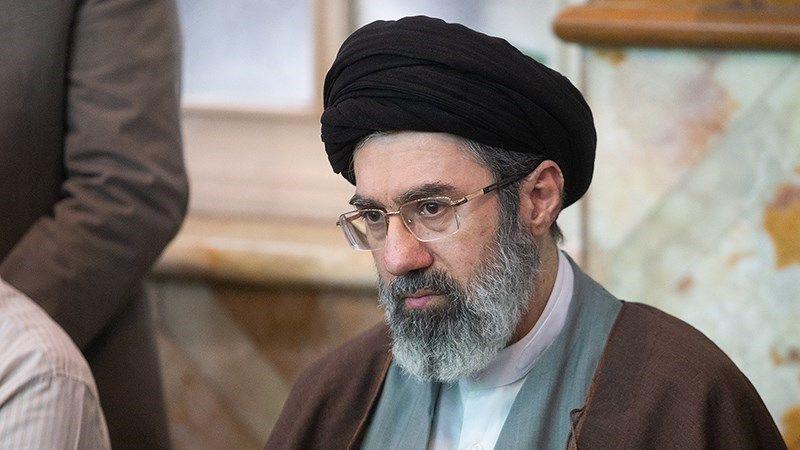
Geopolitically, Mojtaba’s ascent signals continuity in Iran’s defiant posture. Described as “the most powerful intelligence official” in Iran, he is expected to intensify support for the Axis of Resistance proxies like Hezbollah and the Houthis while accelerating nuclear ambitions. His appointment drew swift condemnation: Trump called it “unacceptable,” hinting at further strikes, while Israeli officials view it as confirmation of regime change as the only viable endgame.
Inside Iran, reactions are mixed. Supporters rallied in Tehran, but protests erupted in other cities, fueled by economic woes and war fatigue. Mojtaba’s hardline stance could deepen divisions, potentially leading to regime fragmentation or a narrower security elite consolidating power. For the world, this means a more unpredictable Iran, less amenable to diplomacy and more prone to asymmetric warfare, prolonging the conflict and heightening risks of broader escalation.
Military Escalation: Iran, Israel, and the United States in a Deadly Spiral
The battlefield dynamics reveal a war of attrition. U.S. Central Command reports over 3,000 strikes on Iranian targets since February 28, focusing on missile launchers, nuclear facilities, and oil refineries. Israel has conducted hundreds of airstrikes, including on internal security sites in Tehran and Esfahan. Together, they’ve degraded Iran’s ballistic missile arsenal by an estimated 80%, sinking warships and downing drones.
Iran’s response has been relentless: daily barrages of up to 10 missile waves targeting Israel, with clusters wounding civilians and damaging infrastructure. Drones have hit desalination plants in Bahrain and Saudi Arabia, while strikes on U.S. bases in the Gulf have killed American troops. Hezbollah’s involvement from Lebanon has opened a second front, with Israeli retaliatory strikes killing IRGC officers and prompting evacuations.
The U.S.-Israel alliance dominates the skies, but Iran’s asymmetric tactics proxies, cyber attacks, and maritime disruptions pose enduring threats. Trump predicts a four-to-five-week campaign, but IRGC commanders vow a decade-long fight, drawing parallels to the Iran-Iraq War. This mismatch in timelines risks a quagmire, with U.S. forces exposed and Israel facing sustained rocket fire. The conflict’s expansion to Gulf states like Bahrain and the UAE underscores its regional scope, potentially drawing in more actors and complicating de-escalation.
How Oil Prices Above $100 Could Trigger Global Inflation
Oil prices have shattered the $100 barrier, surging to $114 per barrel on March 9 amid attacks on refineries and threats to the Strait of Hormuz. Brent crude jumped 23% in a single session, marking the largest weekly gain on record. Analysts warn of $150-$200 per barrel if disruptions persist, as exports from the Gulf plummet.
This spike is driving inflation worldwide. U.S. gas prices hit $3.41 per gallon, up 43 cents in a week, squeezing consumers and businesses. In Europe, natural gas futures soared 40%, threatening energy security and economic recovery. Central banks may hike rates to combat rising costs, dampening growth and risking stagflation.
The destabilization stems from targeted strikes: U.S.-Israeli forces hit Iranian fuel depots, while Iran damaged Saudi oil fields and Bahraini plants. Rerouted shipping adds billions in costs, inflating everything from food to manufacturing inputs. Emerging markets, already strained, face the brunt: higher import bills could trigger debt crises, while OPEC+ struggles to offset losses. If the Iran war is prolonged, this could eclipse the 2022 Ukraine shock, reshaping energy geopolitics as Russia and China fill voids left by disrupted supplies.
What This Conflict Means for Europe, Asia, and Africa
Europe, heavily reliant on Middle Eastern energy, faces acute vulnerabilities. Gas prices could push inflation up by 0.5 percentage points, straining households and industries. NATO’s reluctance to invoke Article 5 highlights transatlantic rifts, with countries like Spain denying base access. Migration surges from conflict zones could exacerbate political tensions, while disrupted trade routes delay goods from Asia.
In Asia, oil importers like China, India, and Japan hardest by the Iran war. China, sourcing a third of its crude from the Gulf, sees risks to its Belt and Road projects and expatriates. India faces export disruptions and higher import costs, complicating its IMEC corridor ambitions. The conflict could accelerate Beijing’s pivot to Russia for energy, bolstering the Dragonbear axis and challenging U.S. influence.
Africa, though less directly involved in the Iran war, suffers indirect blows. Rising oil prices inflate food and transport costs, worsening poverty in oil-importing nations like Kenya, Egypt and South Africa. Migrant flows from the Middle East could strain resources, while economic slowdowns in Europe and Asia reduce aid and investments. For oil exporters like Nigeria, short-term windfalls may give way to global recessionary pressures.
As the Iran war enters its second week, the global consequences are crystallizing: a test of U.S. resolve, a catalyst for multipolarity, and a harbinger of economic pain. De-escalation remains elusive, but the costs of continuation could force a reckoning, reshaping alliances and economies in ways that endure long after the last missile falls.
About The Author