Powerful Boost: Kenya Receives Sh3.8 Billion from Warren Buffett for Second Year Running
Kenya has secured Sh3.8 billion from Warren Buffett’s foundation for the second year, a crucial intervention supporting healthcare as foreign aid declines.
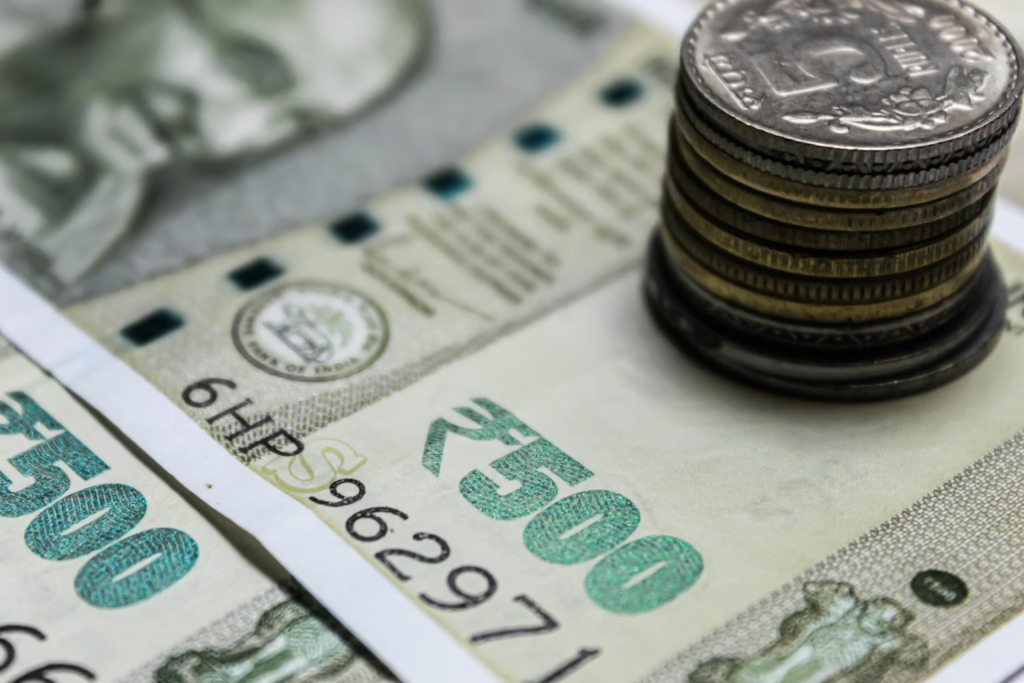
Kenya’s public health sector has received a significant lifeline after American billionaire Warren Buffett committed Sh3.8 billion for the second consecutive year. The funding, channeled through the Susan Thompson Buffett Foundation, underscores a growing shift in global health financing where private philanthropy is increasingly stepping in to fill gaps left by declining foreign aid.
This development comes at a critical moment for Kenya, where budgetary pressures and shrinking international support have placed immense strain on essential health services. As the country grapples with funding shortages, Buffett’s continued intervention is not just financial relief; it is a signal of changing global economic and humanitarian dynamics.
Kenya Receives Sh3.8 Billion: Understanding the Scale and Significance
The Sh3.8 billion grant, approximately $29 million, has been allocated to Kenya’s State Department of Medical Services as part of the national budget for the upcoming financial year. This marks the second year in a row that the foundation has provided an identical amount, transitioning what was initially seen as emergency support into a more structured commitment.
The consistency of this funding is crucial. In fiscal terms, the grant represents a substantial portion of Kenya’s health development budget, accounting for roughly 15–18 percent of project financing within the department. This level of contribution positions Buffett’s foundation among the top external donors to Kenya’s health sector.
More importantly, the direct nature of the funding, channeled straight into government systems rather than NGOs, marks a significant shift in how philanthropic capital interacts with public institutions. Historically, most foreign assistance bypassed governments due to concerns over efficiency and accountability. This move suggests growing confidence, or at least urgency, in supporting state-led healthcare delivery.
Warren Buffett’s Donation to Kenya: Why This Funding is Significant Now
The timing of the Warren Buffett donation to Kenya is not coincidental. It comes against the backdrop of major cuts in U.S. foreign aid under policies introduced during the administration of Donald Trump. These cuts significantly reduced funding through the United States Agency for International Development (USAID), which had long been a cornerstone of Kenya’s health financing.
The consequences of this withdrawal have been severe. Kenya has faced shortages in critical medical supplies, including HIV medications and vaccines, with estimates suggesting the country needed nearly Sh25 billion to fully replace lost U.S. funding.
Buffett’s contribution, while substantial, covers only a fraction of that gap. However, its strategic importance lies in its ability to stabilize essential services and prevent system collapse. In many ways, it acts as a financial bridge, buying time for the government to explore longer-term solutions.
Kenya Health Sector Funding Crisis: A System Under Pressure
The Kenya health sector funding crisis has been building for years but was dramatically accelerated by the sudden withdrawal of U.S. aid. For decades, international donors funded a significant portion of Kenya’s healthcare system, particularly in areas such as HIV/AIDS treatment, maternal health, and vaccination programs.
When these funds were reduced, the ripple effects were immediate. Health facilities reported shortages of essential drugs, delayed programs, and increased pressure on already overstretched resources. The World Health Organization even warned of potential disruptions in HIV treatment across several African countries, including Kenya.
In this context, the Sh3.8 billion injection is not just helpful, it is critical. It ensures continuity in key programs, supports procurement of medical supplies, and sustains healthcare delivery in vulnerable regions.
Yet, it also highlights a deeper structural issue: Kenya’s heavy reliance on external funding. While philanthropy can provide temporary relief, it cannot replace a robust, self-sustaining health financing system.
Buffett Foundation Africa Impact: Expanding Philanthropic Influence
The Buffett Foundation’s impact in Africa extends far beyond Kenya. The Susan Thompson Buffett Foundation has long focused on reproductive health initiatives, including access to contraception and maternal care services.
In Kenya, these priorities align closely with national health needs. The country continues to face challenges in maternal mortality, family planning access, and reproductive health education. By targeting these areas, the foundation ensures that its funding delivers measurable social impact.
Globally, Buffett has pledged to donate the vast majority of his wealth to philanthropic causes, with a strong emphasis on healthcare and poverty reduction. His approach reflects a broader trend among billionaires who are increasingly using their fortunes to address systemic global challenges.
What makes this case particularly notable is the scale and consistency of the intervention. By committing the same amount for a second year, the foundation signals a shift from reactive giving to sustained engagement.
Foreign Aid Cuts Kenya: The Geopolitical Shift Behind the Crisis
The foreign aid cuts affecting Kenya are part of a larger geopolitical shift in global development financing. The reduction in U.S. aid was driven by policy changes prioritizing domestic interests and reassessing international commitments.
This shift has forced countries like Kenya to rethink their development strategies. Reliance on a single major donor has proven risky, exposing vulnerabilities in national systems.
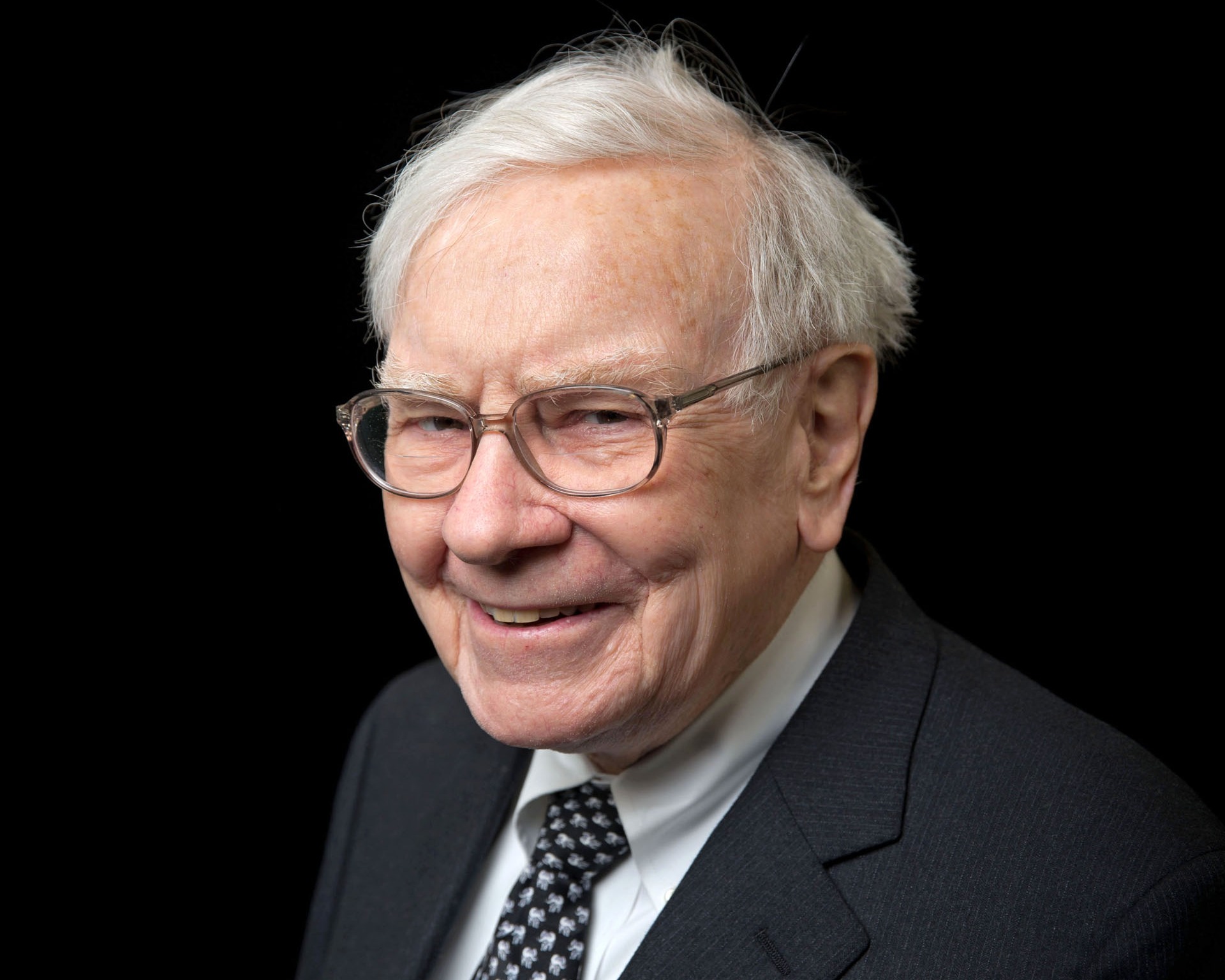
At the same time, the vacuum created by these cuts has opened the door for new actors, particularly private philanthropists and multilateral institutions, to play a larger role. Organizations such as the World Bank and the Global Fund have increased their contributions, but gaps remain.
Buffett’s intervention fits into this evolving landscape. It demonstrates how private wealth can act quickly and flexibly, addressing urgent needs that traditional funding mechanisms may struggle to meet.
Healthcare Investment Kenya: Opportunities and Risks
The rise of healthcare investment in Kenya presents both opportunities and risks. Foremost, there is increased funding, whether from donors, philanthropists, or private investors, can accelerate progress toward universal health coverage and improve service delivery.
Conversely there is dependence on external funding which raises concerns about sustainability and sovereignty. Critics argue that reliance on foreign donors, even philanthropic ones, may influence policy priorities or create long-term dependencies.
Public reaction in Kenya has reflected this tension. While many welcome the funding, others have raised concerns about transparency, accountability, and the potential for misallocation of resources.
For the government, the challenge lies in balancing immediate needs with long-term strategy. Investments must not only address current gaps but also build resilient systems capable of withstanding future shocks.
The Bigger Picture: What This Means for Kenya’s Future
This donation is a reflection of deeper economic and structural realities.
Firstly, it exposes the fragility of health systems that depend heavily on external funding. Secondly, it underscores the growing influence of private philanthropy in global development and lastly, it signals the need for countries like Kenya to develop more sustainable financing models.
The government has already taken steps in this direction, including efforts to expand domestic revenue collection and strengthen health insurance systems. However, progress remains uneven, and significant challenges persist.
Buffett’s contribution provides breathing room, but it also raises an important question: what happens when such support is no longer available?
Strategic Implications: What Kenya Must Do Next
To fully leverage the benefits of this funding, Kenya must adopt a forward-looking approach. This includes strengthening governance frameworks to ensure transparency, improving efficiency in resource allocation, and investing in local capacity.
Diversifying funding sources will also be critical. Relying on a mix of domestic revenue, multilateral support, and private investment can reduce vulnerability to external shocks.
Equally important is building public trust. Ensuring that funds are used effectively and reach intended beneficiaries will determine the long-term impact of such interventions.
A Lifeline with Long-Term Lessons
The second consecutive Sh3.8 billion grant from Warren Buffett is a powerful reminder of the role philanthropy can play in addressing urgent global challenges. For Kenya, it provides critical support at a time of need, helping to stabilize the health sector and maintain essential services.
However, it also serves as a wake-up call. The reliance on external funding, whether from governments or philanthropists, is not a sustainable long-term strategy.
As we navigate this complex landscape, the focus must shift from short-term relief to long-term resilience. Buffett’s contribution may be a lifeline, but the country’s future depends on building systems that can stand on their own.
In the end, the real value of this funding lies not just in the billions received, but in the opportunity it creates for Kenya to rethink, reform, and rebuild a more sustainable healthcare system.
About The Author