The Global Sustainable Bond Market: Entering a Phase of Maturity After Explosive Growth
After explosive growth, the sustainable bond market matures: green issuance stabilizes at $800–$900 billion in 2026 amid economic headwinds, regulatory shifts, and investor focus on genuine impact.

Climate change and social responsibility are dominating the headlines and the sustainable bond market has emerged as a critical bridge between finance and environmental stewardship. Once a niche segment, it ballooned from modest beginnings to trillions in outstanding debt. Yet, as we navigate 2026, experts forecast a shift: green bond issuance, a cornerstone of this market, is stabilizing after years of rapid expansion. This maturation reflects broader economic realities, regulatory evolution, and investor sophistication.
Understanding Sustainable and Green Bonds: The Basics for Everyday Investors
Sustainable bonds and green bonds are specialized debt instruments that allow issuers to borrow money for projects with positive environmental or social impacts. Think of a bond as a loan: when you buy one, you’re lending money to a government or company, which promises to pay it back with interest over time. What sets these apart is their purpose-driven nature.
Green bonds, the most common type, specifically fund eco-friendly initiatives like renewable energy plants, energy-efficient buildings, or clean transportation systems. For instance, proceeds might build solar farms or upgrade water infrastructure to reduce pollution. These bonds adhere to frameworks like the Green Bond Principles, voluntary guidelines ensuring funds go toward verifiable green projects.
Sustainable bonds cast a wider net, combining environmental goals with social ones, such as affordable housing or education access in underserved communities. They might also include governance elements, ensuring ethical practices. Social bonds focus purely on societal benefits, like healthcare during pandemics, while sustainability-linked bonds tie interest rates to meeting ESG (environmental, social, governance) targets, if a company misses its carbon reduction goal, it pays higher interest.
For non-finance experts, the appeal is straightforward: these bonds offer similar returns to traditional ones but with the added satisfaction of supporting planetary health. By 2025, cumulative green bond issuance neared $4 trillion, underscoring their mainstream acceptance. This transparency, issuers report on project impacts, helps demystify where your money goes, unlike opaque conventional bonds.
Why Governments and Corporations Are Issuing Sustainable Bonds
The surge in sustainable bond issuance stems from a mix of regulatory pressure, market demand, and strategic foresight. Governments issue them to fund national climate commitments, such as those under the Paris Agreement. For example, a country might issue green bonds to finance reforestation or electric vehicle infrastructure, aligning fiscal policy with global sustainability goals. This not only secures capital at potentially lower costs due to investor interest but also signals leadership on environmental issues.
Corporations, meanwhile, use these bonds to transition toward greener operations amid stakeholder scrutiny. A tech giant might issue sustainable bonds to build data centers powered by renewables, reducing its carbon footprint while appealing to eco-conscious consumers and employees. Beyond image, there’s financial incentive: ESG-focused investors, managing trillions, prioritize such issuers, potentially lowering borrowing costs through a “greenium”, a slight premium buyers pay for green bonds.
Motivations vary by sector. Energy firms fund clean tech shifts, real estate developers build LEED-certified properties, and banks issue to support their own sustainable lending. In developing economies, these bonds attract international capital for infrastructure, bridging funding gaps. Overall, issuance reflects a broader corporate pivot: sustainability isn’t charity; it’s risk management against climate regulations and reputational damage.
Market Stabilization: Why Green Bond Issuance Is Leveling Off at $800–$900 Billion
After peaking at over $1 trillion annually in recent years, global sustainable bond issuance is projected to stabilize around $800 billion to $900 billion in 2026. This plateau marks a transition from hyper-growth to consolidation, influenced by several factors.
First, macroeconomic headwinds play a role. Rising interest rates and inflation have made borrowing costlier, prompting issuers to delay or scale back. Geopolitical tensions, like ongoing conflicts in the Middle East, add uncertainty, diverting focus from long-term green projects. The broader bond market grew 11% in 2025 to over $10 trillion, outpacing sustainable bonds and highlighting competition.
Second, market maturity contributes. Early growth was fueled by novelty and low-hanging fruit easy green projects like wind farms. Now, with $5.5 trillion in outstanding sustainable debt by 2026, maturities exceed $500 billion annually, requiring refinancing that absorbs new issuance capacity. Analysts like S&P Global note this “consolidation, not expansion” phase, where quality trumps quantity.
Third, regulatory and political shifts temper enthusiasm. In the U.S. and Europe, backlash against “woke capitalism” has slowed some issuances, with companies opting for unlabeled bonds funding similar projects amid scrutiny. Emerging markets saw a 45% surge in green bonds to $209 billion in 2023, but forecasts predict only 7.1% annual growth through 2025 due to debt constraints.
Despite stabilization, the market remains resilient. Moody’s forecasts $530 billion in green bonds alone for 2026, comprising 60% of sustainable issuance. This leveling reflects a healthier, more sustainable trajectory, weeding out greenwashing and fostering genuine impact.
Investor Interest: The Rise of ESG in Portfolios
Investor demand for environmental and ESG investments has been a key driver of the sustainable bond boom. Sustainable funds’ assets under management hit $3.9 trillion in Q4 2025, up 15% year-over-year. Why? Investors seek alignment with values combating climate change, while pursuing solid returns.
Studies show sustainable funds often outperform traditional ones, with lower downside risk. Morgan Stanley found ESG funds delivered higher returns from 2018-2025. This appeals to millennials and Gen Z, who prioritize impact, driving institutional shifts.
Demand outpaces supply, leading to oversubscription, two-thirds of issuers report this for GSS bonds. Pension funds and insurers integrate ESG to mitigate long-term risks like climate events. In fixed income, green bonds offer diversification, with yields comparable to conventional bonds but added impact reporting.
Regulatory tailwinds amplify interest: EU rules mandate ESG disclosures, while global standards like IOSCO’s push comparability. For retail investors, funds like Fidelity’s Environmental Bond Fund simplify access. Overall, ESG isn’t a fad, it’s a $35 trillion force reshaping finance.
Challenges in Sustainable Finance: Roadblocks to Overcome
Despite progress, the sustainable finance sector faces significant hurdles that could impede growth if unaddressed.
Greenwashing tops the list: misleading claims about environmental benefits erode trust. Regulators combat this with stricter standards, but inconsistencies persist, e.g., varying definitions of “green” across jurisdictions. Data gaps exacerbate this; ESG metrics lack standardization, making impact assessment tricky.
Operational barriers include high costs for verification and reporting, deterring smaller issuers. In emerging markets, regulatory gaps and skill shortages hinder adoption, over half of Southeast Asian firms cite resource limitations.
Political backlash adds friction: U.S. policy rollbacks slowed 2025 issuance by 32%. Transition risks, shifting from fossil fuels, pose systemic threats, with climate events amplifying physical risks.
Liquidity issues linger; green bonds trade less frequently, potentially raising costs. Biodiversity risks, hard to quantify, emerge as a new frontier. Addressing these requires global collaboration, like the NGFS’s efforts on climate risk management.
The Future of Green Finance: Global Trends and Opportunities
Looking beyond 2026, green finance’s future is one of measured evolution, driven by innovation and policy.
Issuance may hover at $1 trillion annually by 2030, with transition bonds surging for high-emission sectors. Emerging megatrends like AI demand sustainable energy, spurring financing for green data centers.
Regional divergences will persist: Europe leads with tight regulations, Asia-Pacific grows via green bonds in China and India, while Latin America hits $25-30 billion in 2026. Sovereign green bonds could catalyze private markets, improving standards.
Technological advancements, like blockchain for transparency, and nature-based solutions will expand. Investor focus shifts to measurable outcomes, with biodiversity and adaptation gaining traction.
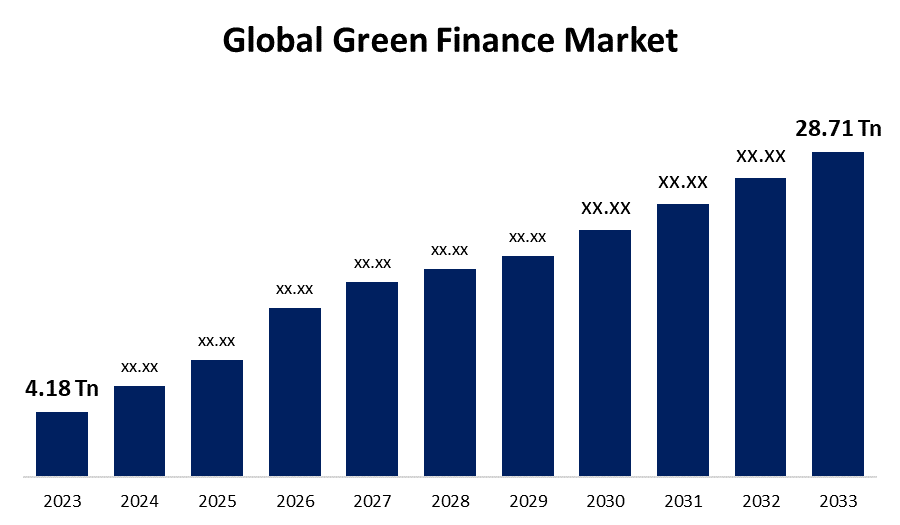
Challenges notwithstanding, the market’s resilience, evidenced by $27 trillion projections by 2031 signals optimism. Green finance isn’t just funding the future; it’s redefining it, blending profit with planetary well-being.
In summary, as the sustainable bond market stabilizes, it enters a sophisticated phase where impact meets investment rigor. For readers, whether novice or seasoned, this evolution offers opportunities to participate in a greener world economy.
About The Author