Manchester United vs Nottingham Forest: A Brutal Reality Check Before United’s Final Reckoning
Manchester United face Nottingham Forest in their 37th match of the 2025/26 season with Champions League qualification secured, but the campaign has exposed serious cracks. From tactical fragility and Casemiro dependence to defensive instability, Bruno Fernandes overreliance, and uncertain summer plans, this is a brutally honest look at a flawed season hiding behind late success.
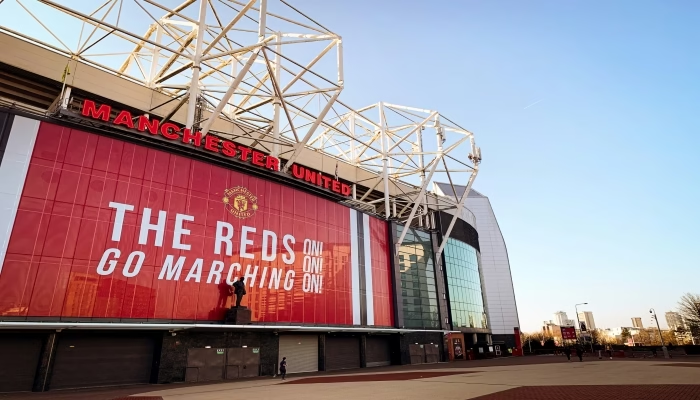
Manchester United head into their penultimate league match of the 2025/26 campaign against Nottingham Forest with Champions League football secured, yet the mood around the club remains strangely conflicted. On paper, qualification for Europe’s elite competition should represent progress. Financially, it changes everything. Psychologically, it prevents the season from being labeled a total failure. But beneath the surface lies a campaign that has repeatedly exposed structural weaknesses, poor squad construction, tactical inconsistency, and an uncomfortable dependence on a small number of players to rescue the club from collapse.
The match against Forest is, therefore, more than just another fixture. It is a mirror reflecting the reality of Manchester United’s season. A victory would not erase the months of frustration supporters endured watching the team surrender leads, fail to dominate weaker opponents, and repeatedly crumble whenever key players were unavailable. A defeat would only intensify the lingering feeling that qualification for the Champions League has masked deeper issues that remain unresolved.
For long stretches this season, United have looked like a team trying to survive games rather than control them. There have been moments of quality, especially from captain Bruno Fernandes, but too many performances have depended on individual brilliance instead of collective structure. That is the uncomfortable truth heading into this Nottingham Forest encounter.
Manchester United’s Biggest Problem Was Never Talent — It Was Stability
One of the defining themes of United’s season has been inconsistency. The squad possesses enough technical quality to beat strong opponents, yet it has repeatedly failed to sustain standards across consecutive matches. That inconsistency has prevented the club from mounting a genuine Premier League title challenge despite periods where rivals also dropped points.
Too often, United approached winnable fixtures with alarming complacency. Matches against lower-half teams became chaotic battles instead of controlled performances. The inability to kill games early forced the team into emotional, physically exhausting contests that have accumulated pressure throughout the season.
This has been particularly damaging at Old Trafford. Supporters expected the stadium to become a fortress again after securing Champions League football, but several home performances lacked authority. United dropped unnecessary points from winning positions, conceded soft goals late in matches, and repeatedly allowed struggling sides to believe they could take something from games.
The most concerning aspect is that these problems are not new. Similar weaknesses existed last season and even before that. The difference now is that the squad is older in certain key areas and still incomplete in others. That means recurring tactical flaws are becoming harder to excuse.

The Casemiro Dependency Exposed a Dangerous Midfield Truth
Perhaps the clearest indictment of United’s midfield structure is the team’s inability to consistently win without Casemiro. For a player approaching the final stage of his United career and increasingly linked with a summer departure, that dependence should deeply concern the club hierarchy.
When Casemiro plays, United look more secure in transition. The defensive line receives protection. The midfield gains positional discipline. Bruno Fernandes is freed to attack spaces higher up the pitch instead of constantly dropping deep to build play. Most importantly, the team appears emotionally calmer.
Without him, the midfield often becomes chaotic. Opponents bypass pressure too easily. United’s spacing collapses during defensive transitions. Counterattacks suddenly become dangerous because there is no dominant ball-winning presence controlling central areas.
This season has shown that United never truly replaced the profile of midfielder they lost years ago when physical dominance and tactical intelligence disappeared from the squad. Casemiro temporarily solved that problem after arriving from Real Madrid, but age has inevitably reduced his mobility. The club now faces a difficult reality: they still need what Casemiro provides, but they can no longer build the future around him.
That creates one of the most important tasks of the upcoming summer window. Manchester United must find two or three younger midfielders capable of controlling games defensively while also progressing possession under pressure. Without that profile, the same vulnerabilities will continue next season regardless of who starts in defense or attack.
Bruno Fernandes Has Carried Manchester United Too Often
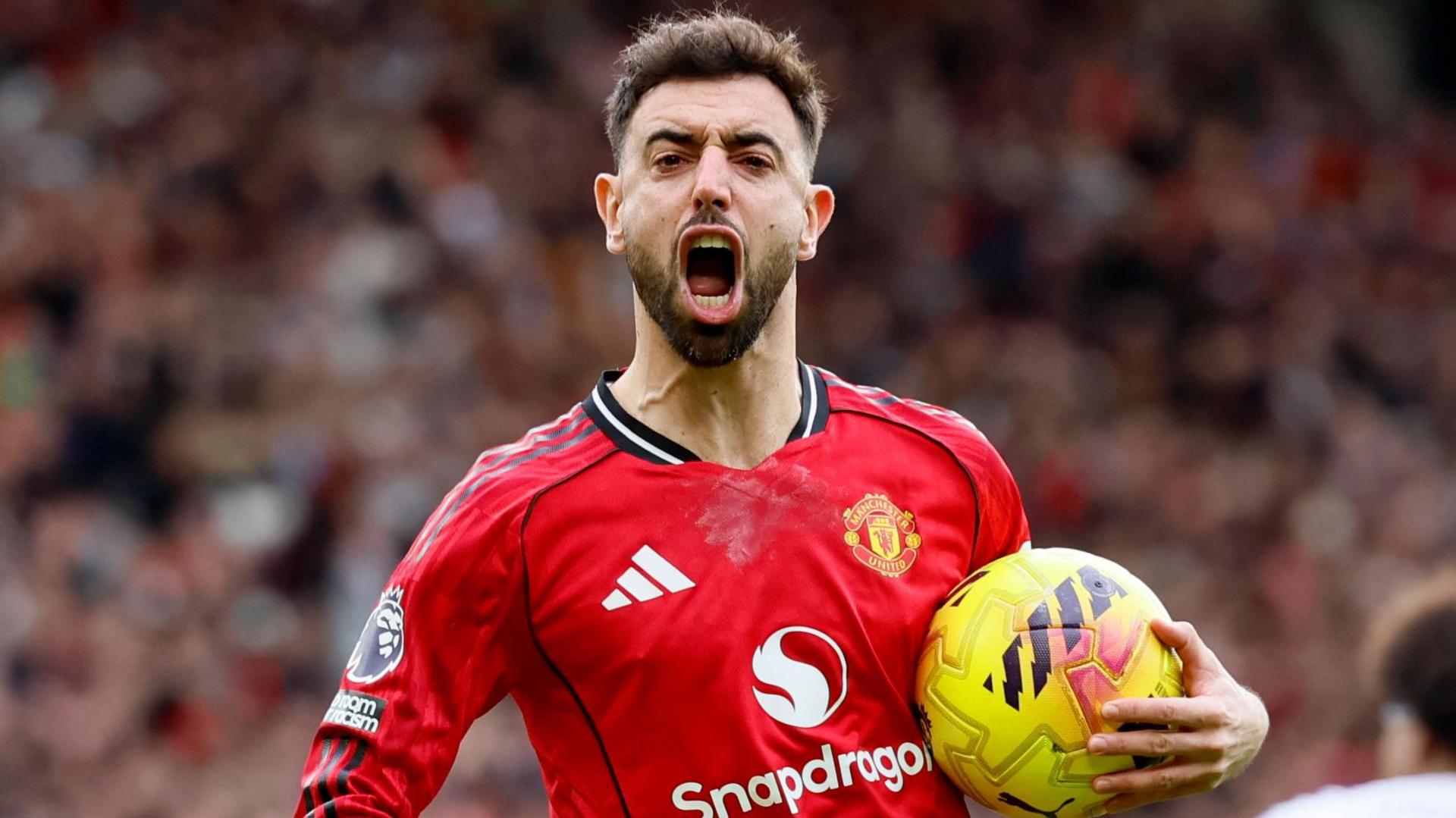
No player symbolizes United’s season more than Bruno Fernandes. There have been matches where he single-handedly dragged the team toward victory through creativity, intensity, leadership, and sheer refusal to accept defeat.
But while Bruno deserves enormous praise, the season has also highlighted a damaging imbalance within the squad. Manchester United relies on him too much.
When Bruno performs well, United look dangerous. When opponents successfully isolate him, the entire attacking structure frequently collapses. That level of dependence on one creative player is unsustainable for a club aspiring to compete for the Premier League and Champions League simultaneously.
The problem is not simply about assists or chances created. Bruno has become United’s emotional engine. He presses aggressively, demands urgency, directs teammates, and constantly searches for decisive moments. In many games, he has looked like the only player capable of accelerating the tempo when performances become passive.
That creates another concern heading into next season. Bruno is approaching the stage where workload management becomes essential. Yet United currently lacks another elite-level creator capable of consistently sharing responsibility with him.
The summer recruitment strategy must therefore focus not only on defensive reinforcements but also on reducing the creative burden placed on their captain. Otherwise, fatigue and predictability will continue undermining the team in decisive matches.
Defensive Vulnerabilities Continue to Destroy Control
Manchester United’s defensive record this season tells a troubling story. Even in victories, the team has rarely looked fully convincing. The back line has been exposed by direct transitions, poor positioning, and individual errors far too often for a club with Champions League ambitions.
Injuries certainly disrupted continuity. Constant changes in personnel prevented stable partnerships from developing. However, injuries alone cannot explain why United repeatedly concede similar types of goals.
Opponents consistently found space between midfield and defense. Full-backs were frequently dragged out of position. Central defenders struggled when isolated in open spaces. Set-piece defending also remained inconsistent throughout the campaign.
These issues point toward systemic problems rather than isolated mistakes. United still struggle controlling games territorially. The defensive line often drops too deep under pressure, leaving large spaces for opponents to dominate second balls around the edge of the box.
The Forest match will likely test this weakness again. Nottingham Forest have built their season around intensity, quick transitions, and exploiting defensive disorganization. If United lose midfield control, Forest will believe they can punish them.
That possibility explains why supporters remain anxious despite qualification for Europe already being secured. The team still feels fragile.
Why Champions League Qualification Should Not Hide the Truth
Securing Champions League football matters enormously. Financially, it protects United from another major setback. Commercially, it strengthens the club’s attractiveness to elite players. Competitively, it ensures the team remains part of Europe’s highest level.
But qualification should not become an excuse to ignore the flaws exposed throughout the season.
Manchester United have often looked closer to rebuilding than genuinely contending. There were stretches where performances resembled a team surviving on moments rather than operating with a clear long-term identity.
The danger now is complacency. Finishing in the Champions League places may tempt decision-makers to believe the current squad only needs minor adjustments. That would be a serious mistake.
The Premier League continues becoming more demanding tactically and physically. Clubs lower in the table are increasingly organized and aggressive. Simply having talented individuals is no longer enough. Teams need structure, athleticism, technical consistency, and depth across multiple positions.
United still lacks balance in several of those areas. Reforms are urgent, but the disturbing question is why Manchester United have been in reforms and rebuilding for more than a decade yet achieved no meaningful structure.
The Old Trafford Stadium Plans Symbolize a Club Trying to Modernize
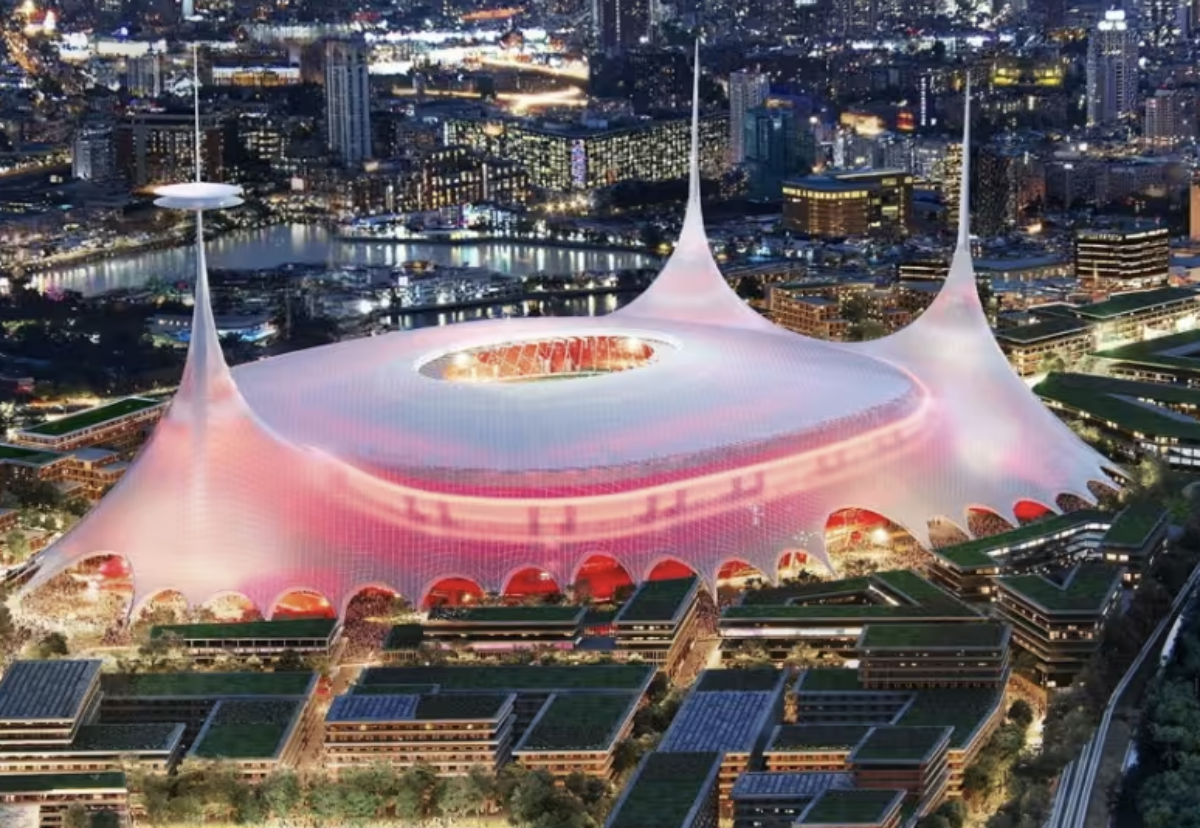
Away from the pitch, the club’s stadium redevelopment discussions have become one of the defining stories surrounding Manchester United this season. Old Trafford remains iconic, but modern football increasingly demands infrastructure capable of matching elite European standards financially and technologically.
The plans surrounding stadium modernization represent more than construction. They symbolize an attempt to restore Manchester United’s image as a forward-thinking superpower rather than a giant living off history.
Supporters understand that infrastructure investment matters. Revenue growth influences transfer spending, commercial power, and long-term competitiveness. Yet there is also understandable frustration because many fans believe footballing issues should remain the priority.
A modernized stadium will not fix defensive transitions. Expanded commercial spaces will not solve midfield instability. Architectural ambition means little if the team on the pitch continues producing inconsistent football.
That tension defines the current mood around the club. Manchester United are simultaneously trying to rebuild the institution while still searching for clarity on the football side.
The Summer Window Could Define the Next Three Years
The upcoming transfer window may become one of the most important periods in recent Manchester United history. Securing Champions League football gives the club leverage in negotiations, but recruitment decisions must finally show coherence and strategic planning.
For too many years, United has operated reactively in the market. Big names arrived without clear tactical compatibility. Expensive signings were expected to solve structural problems individually. The result was a bloated squad lacking balance.
This summer cannot follow the same pattern.
The priority must begin in midfield. A long-term successor to Casemiro is essential. United need energy, defensive intelligence, progressive passing, and physical dominance centrally.
Defensively, another reliable center-back profile has also become necessary depending on departures and fitness concerns. United still concede too many preventable goals for a side aiming to compete at elite European level.
In attack, there is also growing pressure to add more consistent productivity around Bruno Fernandes. Too often this season, United’s forwards disappeared for long stretches, forcing the captain to compensate creatively.
Perhaps most importantly, recruitment must focus on profiles rather than reputations. The Premier League increasingly punishes poorly balanced squads. United require players capable of fitting into a collective tactical structure instead of merely adding individual star power.
Nottingham Forest Could Expose the Same Problems Again
As United prepares to face Nottingham Forest, the danger is obvious. Forest are unlikely to dominate possession, but they do not need to. They will look to exploit the exact weaknesses that have troubled United throughout the season: transitions, midfield gaps, and defensive hesitation under pressure.
If United starts slowly or loses midfield control, frustration inside Old Trafford could quickly grow despite Champions League qualification already being secured.
That is why this fixture still matters psychologically. Fans want evidence that the team is progressing structurally, not merely surviving through moments of quality.
A convincing performance would help calm concerns heading into the summer. Another chaotic display would reinforce the belief that deeper reconstruction remains necessary.
Manchester United’s Season Has Been Saved — But Not Solved
The harsh reality is that Manchester United’s 2025/26 season has been rescued by results more than performances. Qualification for the Champions League prevents the campaign from being remembered as disastrous, but it does not automatically make it convincing.
There have been positives. Young players have shown promise. Bruno Fernandes has delivered another elite campaign. Certain tactical adjustments improved results during critical periods. The club also remains financially powerful enough to rebuild aggressively.
But major concerns remain unresolved.
The midfield still lacks long-term balance. The defense still appears vulnerable under pressure. The squad remains overly dependent on specific individuals. Too many points were dropped in games that should have been controlled comfortably.
The Nottingham Forest match therefore arrives as a fitting symbol of United’s current reality. The club stands between progress and uncertainty. Between recovery and genuine revival.
Champions League football gives Manchester United opportunity. What happens next will determine whether this season becomes the foundation of something stronger or merely another temporary escape from deeper decline.
About The Author